
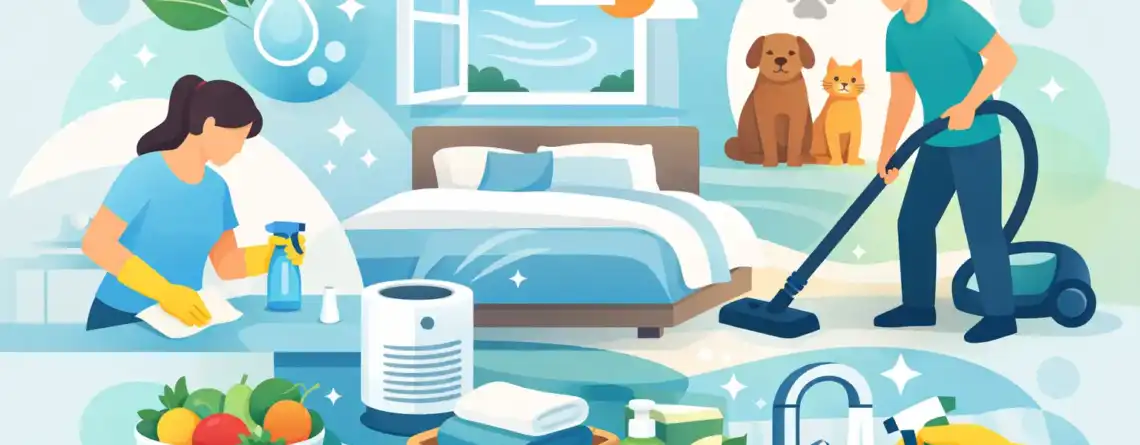
A home can look tidy and still hold onto dust, bacteria, odors, and allergens in the places most people miss. That is why these 10 Cleaning Habits That Make Homes Healthier matter. The goal is not just to make your space look clean for a few hours. It is to create a safer, fresher environment that supports everyday comfort for your family, guests, and even pets.
For most households, the biggest problem is not a lack of effort. It is inconsistency. A few smart habits done regularly can do more for hygiene than occasional rushed cleaning sessions. When those habits focus on high-touch areas, moisture control, fabrics, and hidden buildup, the whole home feels better and stays healthier longer.
Why healthy cleaning habits matter
A healthier home starts with controlling what builds up over time. Dust can trigger allergies. Damp surfaces can encourage mold. Crumbs and standing water can attract pests. Germs spread quickly on switches, handles, remote controls, and countertops, especially in busy households.
Cleanliness also affects how a home functions day to day. Kitchens stay safer, bathrooms smell fresher, and bedrooms feel more comfortable when dirt and moisture are managed before they turn into bigger problems. In apartments and villas alike, regular upkeep also reduces the need for more intensive restoration later.
1. Clean high-touch surfaces every day
The fastest way to improve hygiene is to pay attention to the surfaces people touch constantly. Door handles, light switches, cabinet pulls, phones, remote controls, and dining tables collect more contamination than many visible dirty areas.
A quick daily wipe with a safe disinfecting or sanitizing product helps reduce the spread of germs. This is especially useful in homes with children, elderly family members, or anyone recovering from illness. The key is not overcomplicating the task. A few minutes each day can make a real difference.
2. Keep kitchen counters and sinks dry and clear
The kitchen is one of the most important spaces for healthy cleaning habits because it combines food, moisture, and frequent hand contact. Counters should be wiped after food preparation, but just as important, they should be kept free of clutter that traps crumbs, grease, and dust.
The sink also deserves more attention than it usually gets. Food particles left in or around the drain can create odors and support bacterial growth. Drying the sink area after use helps limit moisture buildup. If dishes need to wait, rinse them first so residue does not sit for hours.
3. Vacuum soft surfaces on a schedule
Floors are only part of the picture. Upholstery, rugs, carpets, curtains, and mattresses hold dust, hair, skin particles, and allergens that do not always show up visually. In homes with pets, children, or heavy foot traffic, soft surfaces can affect indoor comfort more than people realize.
Vacuuming these areas regularly helps improve air quality and keeps buildup from settling deeper into the material. Carpets in particular benefit from routine care because trapped dirt gets harder to remove over time. For households with recurring allergies or persistent dust, deeper professional carpet or sofa cleaning may be needed in addition to routine vacuuming.
4. Treat bathroom moisture as a hygiene issue
A bathroom can be freshly cleaned and still become unhealthy quickly if moisture lingers. Wet floors, damp corners, shower residue, and poor ventilation create the right conditions for mold, mildew, and unpleasant smells.
One of the best habits is to dry surfaces after use whenever possible. Wiping down shower glass, taps, and sink edges helps prevent buildup before it hardens. Running ventilation, opening a window when available, and replacing damp towels promptly also help control humidity. This habit keeps the bathroom cleaner and reduces the amount of scrubbing needed later.
5. Wash cleaning tools before they spread dirt
Many people clean surfaces with tools that are already dirty. Mops, cloths, sponges, and brushes can spread bacteria and odor if they are reused too long without proper washing or drying.
Sponges should be replaced regularly. Microfiber cloths should be washed after use, especially after cleaning kitchens and bathrooms. Mop heads need the same level of care. If a cleaning tool smells bad, it is no longer helping. A healthy cleaning routine depends on using fresh, dry, sanitary tools every time.
6. Do not ignore hidden dust zones
Some of the most important cleaning happens in places people rarely check. Behind furniture, under beds, on top of wardrobes, around air vents, and behind appliances, dust gathers quietly until it affects the whole room.
These hidden areas matter because dust does not stay put. It moves through the air, settles on other surfaces, and can contribute to respiratory irritation. A practical habit is to rotate through these zones weekly or biweekly rather than trying to do everything at once. That approach is easier to maintain and more effective over time.
7. Handle spills and crumbs immediately
Small messes become hygiene problems when they are left in place. Food spills, drink splashes, grease drops, and crumbs attract ants, cockroaches, and other pests far faster than many homeowners expect. Once pests find a regular food source, the issue often grows beyond simple cleaning.
Immediate cleanup is one of the strongest habits for both cleanliness and pest prevention. Wipe dining areas after meals, check under the table, and inspect corners in the kitchen where crumbs collect. In homes where pest activity has already appeared, cleaning alone may not solve the issue, but it is still the foundation for long-term control.
8. Separate routine cleaning from deep cleaning
One reason homes never feel fully clean is that daily tasks and deep cleaning tasks get mixed together. Routine cleaning keeps surfaces presentable. Deep cleaning removes the buildup hidden in grout lines, fabric, under furniture, inside appliances, and other neglected areas.
Both matter, but they serve different purposes. A healthy home usually needs quick daily upkeep, weekly attention to kitchens and bathrooms, and periodic deep cleaning to reset the space properly. If schedules are busy, outsourcing deep cleaning can be the practical option that prevents standards from slipping.
9. Make bedding and upholstery part of hygiene, not just comfort
Beds and sofas look clean longer than they actually stay clean. Sheets collect sweat, skin particles, and dust. Cushions and upholstered furniture absorb odors, body oils, and everyday dirt, especially in family homes.
Changing bed linens regularly is one of the easiest ways to improve hygiene in bedrooms. Upholstery should also be vacuumed and spot-cleaned as needed. When stains, odors, or embedded dust become difficult to manage, professional upholstery cleaning can restore freshness and remove deeper contaminants that household tools may miss.
10. Build a cleaning habit that matches your real schedule
The best cleaning routine is the one you can actually maintain. A perfect plan that lasts three days will not make a home healthier. A realistic plan that fits your work hours, family routine, and property size will.
That might mean assigning a few non-negotiable tasks each day, such as wiping kitchen surfaces, managing laundry, and checking bathroom moisture. It may also mean booking recurring support for the heavier work. For busy families and professionals, regular scheduled cleaning is often the simplest way to keep standards high without constant stress.
When healthier homes need more than DIY cleaning
These 10 cleaning habits that make homes healthier are effective, but there are times when household routines are not enough. After move-ins, move-outs, renovations, illness, pest problems, or long periods of neglect, dirt and contamination often settle deeper into the property.
That is where professional service adds value. Deep cleaning, mattress cleaning, upholstery cleaning, disinfection, and pest control all address issues that daily upkeep cannot fully solve. For households in Doha dealing with dust, busy schedules, or recurring hygiene concerns, working with a trained team can save time while delivering a more thorough result.
A healthier home is usually built through consistency, not intensity. If you keep surfaces dry, clean the areas people actually touch, stay ahead of dust and food residue, and deal with fabrics and hidden buildup before they become a problem, your home will not just look better. It will feel cleaner, safer, and easier to maintain every day.