
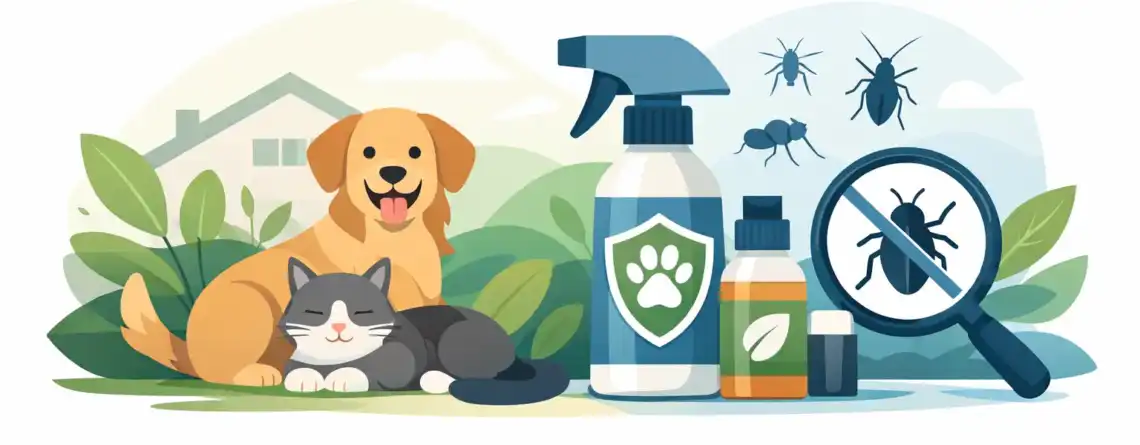
You should not have to choose between getting rid of pests and keeping your pets safe. When ants start showing up in the kitchen, cockroaches appear at night, or rodents leave signs around storage areas, the first concern for many households is simple: will treatment put the cat, dog, or other pet at risk? That is exactly why pet safe pest control matters.
For families, tenants, and business owners, the goal is not just to kill pests. It is to solve the problem in a way that protects the people and animals living or working in the space. A safer approach starts with the right inspection, the right products, and the right application methods. It also depends on honest advice, because not every pest issue can be handled with the same treatment plan.
What pet safe pest control really means
Pet safe pest control does not mean every product is harmless in every situation. It means the treatment plan is selected and applied with safety in mind, based on the type of pest, the severity of the infestation, and the layout of the property. That usually includes using lower-toxicity products where suitable, applying them only where needed, and giving clear instructions about re-entry times, ventilation, and cleaning after treatment.
This matters because pets are exposed differently than people. Dogs and cats spend time on floors, lick surfaces, sniff corners, and can reach treatment areas that adults might never touch. Birds and smaller animals can be even more sensitive. A method that seems minor to a person may not be minor for a pet.
The safest pest control work is careful, targeted, and handled by trained professionals who understand both pest behavior and household safety. Broad spraying without a plan is where risk increases.
Common pests and the safest way to treat them
Different pests require different methods. That is why a serious provider starts with inspection instead of guessing.
Cockroaches
Cockroaches are one of the most common problems in apartments, villas, restaurants, and commercial spaces. For pet-friendly cockroach treatment, gel baits and crack-and-crevice applications are often safer than wide surface spraying. These methods place treatment where roaches hide and travel, rather than across open areas where pets walk and rest.
That said, heavy infestations may need a stronger response. In those cases, safety comes down to controlled application and proper timing. Pets may need to stay out of treated areas until everything is dry and the technician confirms it is safe to return.
Ants
Ant problems often look simple at first, but the wrong treatment can spread the colony rather than solve it. Safer ant control usually focuses on baiting and entry-point treatment instead of spraying every visible trail. This approach helps eliminate the nest while reducing unnecessary exposure inside the home or office.
For households with curious pets, placement matters. Baits should be secured in areas pets cannot access.
Rodents
Rodent control needs extra caution in homes or businesses with pets. Loose poison baits can create obvious danger, and there is also the risk of secondary exposure if a pet finds an affected rodent. In pet-sensitive environments, tamper-resistant bait stations, trapping plans, exclusion work, and sanitation improvements are often the better route.
This is a good example of where pet safe pest control is not only about chemicals. Sealing access points, removing food sources, and improving waste handling are often just as important.
Bedbugs and termites
These pests usually need more specialized treatment. Bedbug control may involve targeted chemical application, heat-based methods, or a combination of both. Termite treatment often depends on the structure and level of infestation. In either case, the right provider should explain the method clearly, outline any precautions for pets, and avoid promising a one-size-fits-all solution.
Why DIY pest control can be risky around pets
Store-bought pest products often look convenient, but they can create problems when used without a proper plan. Overapplication is common. So is using the wrong product for the wrong pest. Some people spray visible insects and assume the issue is solved, while the nest or source remains active.
Around pets, DIY mistakes can be more serious. Product labels may be ignored, surfaces may be treated too heavily, and food or water bowls may not be removed properly before use. Foggers and random sprays can also spread chemicals into places where pets sleep, eat, or groom themselves.
Professional treatment is usually safer because it is targeted. Instead of treating everything, a trained technician identifies where pests live, how they enter, and which method can solve the issue with the least disruption.
What to ask before booking a pet safe pest control service
If you have pets at home or on a commercial property, it is worth asking direct questions before treatment begins. A reliable provider should be comfortable answering them.
Ask what product or method will be used, whether pets need to leave the property, how long treated areas should remain undisturbed, and whether any follow-up cleaning is required. You should also ask whether the plan includes non-chemical steps such as sealing gaps, improving storage, or reducing moisture.
A good company will not dismiss these questions. Clear instructions are part of safe service.
Pet safe pest control for homes and apartments
In residential spaces, safety and convenience usually go together. Families want treatment that works, but they also need a plan that fits daily life. That may mean scheduling around work hours, keeping treatment focused on problem zones, and making sure children and pets can return safely as soon as possible.
Apartments need special attention because pests often travel between units through walls, pipes, and shared service areas. In these cases, treating one room without addressing the larger pattern can lead to repeat issues. A practical provider will look beyond the immediate sighting and explain whether the problem is isolated or likely part of a wider infestation.
For villas and larger homes, outdoor areas, storage rooms, kitchens, and service spaces often need equal attention. Pet areas such as feeding stations, sleeping corners, and garden zones should be factored into the treatment plan from the start.
Safe pest control for offices and commercial spaces
Commercial pest control has a different set of pressures. Businesses need fast results, clean presentation, and minimal disruption to operations. In pet-related businesses, clinics, schools, or hospitality settings, safety standards are even more important.
Pet safe pest control in commercial spaces often means precise scheduling, discreet treatment, and documentation that helps managers stay organized and informed. The focus should be on keeping the space hygienic, reducing risk to staff and visitors, and preventing pests from returning through routine monitoring.
For restaurants and food-handling spaces, pest activity cannot be ignored, but treatment also has to respect hygiene requirements. The right approach balances compliance, effectiveness, and safe application.
Prevention is part of the treatment
Even the best pest treatment will not hold up if the conditions attracting pests stay the same. That is why prevention should be part of the service, not an afterthought.
Leaking pipes, food crumbs, open bins, cluttered storage, and unsealed entry points all make pest problems harder to control. Pet food left out overnight can also attract ants, cockroaches, and rodents. Small changes in cleaning routines and storage habits often make a big difference after treatment.
This is one reason customers often prefer a company that can support both pest control and professional cleaning. When hygiene and pest prevention are handled together, results tend to last longer. Hegy International takes that practical approach by helping customers address both the pest issue and the conditions behind it.
When a stronger treatment is necessary
There are times when a mild approach is not enough. Severe infestations, repeated pest activity, or hard-to-reach nesting areas may require more intensive treatment. That does not mean safety is ignored. It means the process needs better planning.
In these cases, a dependable provider should explain the trade-offs clearly. You may need to remove pets for a few hours, avoid certain rooms temporarily, or follow specific aftercare instructions. That extra step is often the safest way to solve a larger problem properly instead of dragging it out with weak, repeated treatments.
The right service is not the one that promises zero inconvenience. It is the one that gives you a clear, effective plan and handles the work responsibly.
If you are dealing with pests and have pets to protect, ask for a treatment plan that is built around both results and safety. A cleaner, pest-free space should feel like a relief, not a risk.