
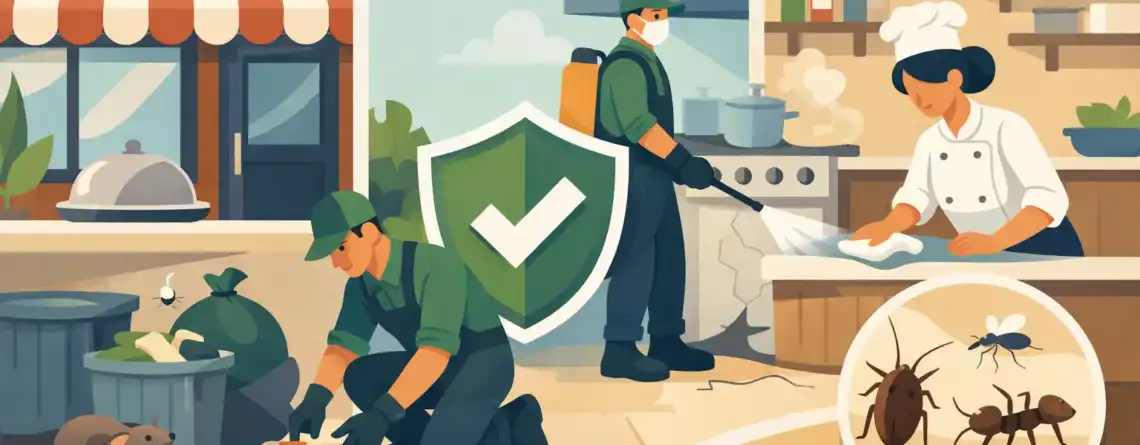
A single cockroach sighting near a prep station can do more than ruin a shift. It can lead to wasted stock, failed inspections, customer complaints, and damage to your restaurant’s reputation that takes months to repair. That is why understanding how restaurants prevent pest infestations is not just a maintenance issue. It is part of protecting food safety, daily operations, and long-term business health.
For restaurant owners and managers, prevention always costs less than emergency treatment. Pests are attracted by three things restaurants naturally have in abundance – food, moisture, and shelter. The goal is not to pretend those conditions do not exist. The goal is to control them so insects and rodents cannot settle in, breed, and spread.
How restaurants prevent pest infestations starts with daily discipline
The biggest mistake many businesses make is treating pest control as something that only happens when there is a visible problem. In reality, the strongest protection comes from routines that happen every day, often without much notice. Clean floors, sealed ingredients, dry storage rooms, and fast waste removal do not look dramatic, but they are what keep infestations from starting.
Consistency matters more than occasional deep cleaning. A kitchen that gets a full scrub once a week but allows grease buildup behind cooking equipment every day is still creating ideal conditions for pests. Cockroaches, ants, flies, and rodents are experts at finding the small neglected spaces most teams overlook during busy service hours.
This is why prevention has to be built into operations, not added as an afterthought.
Food storage is where many pest problems begin
Dry goods, produce, oils, sugar, and open ingredients all attract pests in different ways. Rodents can chew through weak packaging. Cockroaches are drawn to crumbs, cardboard, and damp storage corners. Flies are attracted to overripe produce and spills that are left too long.
Safe storage starts with keeping ingredients off the floor and away from walls where possible. Shelving improves airflow, makes inspection easier, and removes hidden nesting points. Sealed containers are also essential. Original packaging is often not enough once opened, especially for flour, grains, spices, and sugar.
Stock rotation plays a role too. When items sit untouched in storage, leaks, spoilage, and unnoticed pest activity become more likely. A well-organized storeroom reduces waste and makes early warning signs easier to spot.
Cleaning must go beyond visible surfaces
Restaurants are cleaned constantly, but pest prevention requires a different standard. A front-of-house floor may look spotless while food residue is collecting under shelving, beneath refrigerators, inside drains, or behind heavy kitchen equipment. Those hidden areas are often where infestations begin.
The most effective approach is to divide cleaning into daily, weekly, and scheduled deep-clean tasks. Daily cleaning handles obvious spills, food prep surfaces, bins, and high-traffic floors. Weekly cleaning should reach less visible spaces such as under counters, behind appliances, and inside storage racks. Deep cleaning is where grease, moisture, and debris that build up slowly are removed before they become a serious attraction.
This is one reason many restaurants combine in-house cleaning with professional support. Busy staff may manage daily sanitation well, but deep cleaning and detailed pest-risk checks often need trained eyes and proper equipment.
Waste management can make or break prevention
Trash areas are one of the most common pest hotspots in restaurants. Overflowing bins, poorly fitted lids, food residue around containers, and delayed collection all invite problems quickly. Flies, cockroaches, and rodents do not need much time to move in once waste becomes accessible.
Indoor bins should be emptied frequently, especially in prep and dishwashing areas. Outdoor waste zones need just as much attention. If dumpsters are too close to entrances, left open, or surrounded by leaks and spills, pests will gather nearby and then work their way inside.
Restaurants that manage waste well usually have clear routines. Bins are lined, cleaned, closed properly, and checked at the end of every shift. Recycling areas are also important, since residue in boxes, bottles, and cans can attract pests if not handled correctly.
Moisture control is often underestimated
Many people think pest issues are only about food, but water is just as important. Leaking pipes, standing water, damp mop closets, clogged drains, and condensation around refrigeration units create ideal conditions for cockroaches and other insects.
Moisture problems are especially risky because they can go unnoticed for long periods. A slow pipe leak under a sink or behind a wall may not affect daily service right away, but it can support a growing pest population in a hidden area.
Regular maintenance checks help reduce that risk. Drains should stay clean and flowing. Plumbing leaks should be repaired quickly. Wet areas should be dried as part of closing procedures. Even small fixes matter because pests take advantage of persistent moisture, not just major flooding.
Entry points need to be sealed before pests find them
If a restaurant is clean inside but has gaps around doors, damaged screens, unsealed utility openings, or cracks near delivery areas, pests still have a direct route in. Prevention is not only about removing attractions. It is also about limiting access.
Doors should close tightly and not remain propped open during deliveries or busy service periods any longer than necessary. Weather stripping, door sweeps, and screened vents can make a noticeable difference. Small holes around pipes and cables should also be sealed because rodents and insects can enter through surprisingly narrow openings.
In high-traffic commercial areas, this matters even more. Restaurants near shared waste zones, neighboring food businesses, or active loading bays may face higher pressure from outside pest activity. In those cases, structural prevention becomes just as important as cleaning.
Staff habits are a major part of how restaurants prevent pest infestations
A restaurant can have strong policies on paper and still struggle if staff are not trained to follow them. Prevention depends on habits during real service conditions, especially during busy hours when shortcuts are tempting.
Staff should know how to store ingredients correctly, clean spills immediately, report leaks, and recognize early signs of activity such as droppings, gnaw marks, egg cases, unusual odors, or insect movement near warm equipment. These details may seem minor, but early reporting can stop a small issue from becoming a shutdown-level problem.
Training does not need to be complicated. It needs to be repeated, practical, and tied to clear responsibility. When everyone knows what to watch for and what standard is expected, prevention becomes much more reliable.
Professional inspections add a layer of protection
Even well-run restaurants can miss hidden risks. That is why scheduled pest control inspections are valuable, especially for businesses handling food at high volume. A trained technician can identify patterns that staff may not notice, such as likely nesting zones, entry points, or sanitation gaps that increase pest pressure.
Professional service is also useful because treatment should match the environment. Restaurants need safe, targeted solutions that support hygiene standards and minimize disruption to operations. In a market like Doha, where heat can intensify certain pest pressures, proactive service is often more effective than waiting for visible activity.
For many businesses, the best approach is a combined plan that includes routine cleaning, structural prevention, staff awareness, and recurring pest monitoring. That creates a stronger system than relying on one method alone.
What restaurants should do at the first sign of pest activity
Speed matters. Waiting to see if the issue gets worse is rarely a good idea. The first step is to identify where the activity was noticed and check nearby food, water, waste, and shelter conditions. The second is to isolate affected stock or areas if needed and increase cleaning and inspection immediately.
At the same time, management should document the issue and arrange professional assessment. Some infestations stay hidden until numbers grow. By the time pests are seen regularly in open areas, the problem is usually more established than it appears.
The good news is that early action works. Most restaurant pest problems become serious because warning signs were dismissed, not because they were impossible to control.
A pest-free restaurant is rarely the result of luck. It comes from steady routines, trained staff, clean storage, dry surfaces, and expert support when needed. When prevention becomes part of the way your restaurant operates every day, you protect more than the kitchen. You protect the trust that keeps customers coming back.