
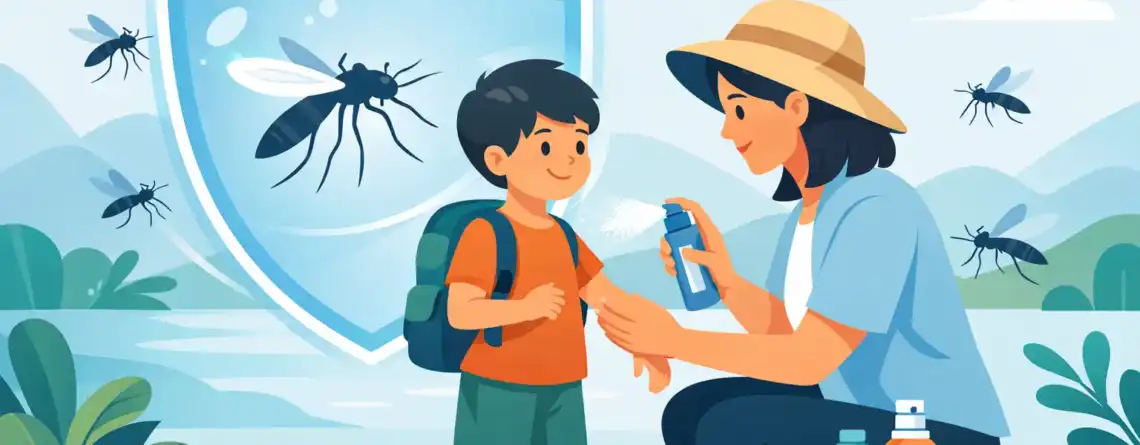
A child only needs a few minutes outdoors at the wrong time of day to come back covered in itchy bites. For parents, that usually means a restless night, scratching, and concern about what those bites can lead to. If you are wondering how to protect children from mosquitoes, the best approach is not one single product. It is a combination of safe skin protection, smart clothing, better home habits, and control of mosquito breeding around the property.
Mosquito prevention works best when you think in layers. Some measures protect your child directly, like appropriate repellents and covered clothing. Others reduce the number of mosquitoes around your home, which matters just as much, especially if children spend time on balconies, in gardens, or near entryways.
How to protect children from mosquitoes at home
The home is where many parents assume children are safest, but mosquitoes often enter through small gaps, open doors, and poorly screened windows. Once inside, they tend to linger in bedrooms, living areas, and shaded corners where children rest or play.
Start by reducing indoor entry points. Window screens should be intact and tightly fitted. If a screen has even a small tear, mosquitoes can get through. Doors that are frequently opened, especially in the evening, should be kept closed as much as possible. In homes with children, this simple habit makes a noticeable difference.
Bedrooms deserve extra attention. If your child wakes up with fresh bites, look beyond the bed itself. Check curtains, under furniture, behind doors, and around dark corners where mosquitoes may settle during the day. Sleeping areas should be kept as protected as possible, especially for babies and toddlers who cannot brush insects away on their own.
Standing water is another common issue. Mosquitoes breed in surprisingly small amounts of water, so families should regularly inspect plant saucers, buckets, trays under outdoor units, toys left in the yard, and any containers collecting water after cleaning or rainfall. A clean-looking area can still support breeding if water is left undisturbed.
For larger homes, villas, or buildings with outdoor spaces, mosquito pressure may be tied to drainage problems, landscaped areas, or neglected corners around the property. In those cases, routine pest control can help address the source instead of only reacting to bites after they happen.
Safe personal protection for children
Parents are right to be careful about anything applied to a child’s skin. The safest choice depends on the child’s age, how long they will be outdoors, and how strong mosquito activity is in that area.
Repellents made for children can be effective when used exactly as directed on the label. The key is proper use, not overuse. Apply only the amount needed on exposed skin and avoid the eyes, mouth, hands, and any irritated or broken skin. For younger children, it is better for an adult to apply the product rather than letting the child do it.
Clothing is often the simplest first layer of protection. Lightweight long sleeves, long pants, socks, and closed shoes help reduce exposed skin without making children too uncomfortable. In hot weather, breathable fabrics matter. Heavy clothes may cover the skin, but if a child becomes overheated, they are less likely to keep them on.
Color can also make a difference. Mosquitoes are generally more attracted to darker colors, so light-colored clothing is often the better option for outdoor play. This is not a complete solution, but it helps when combined with other measures.
For babies in strollers or very young children resting outdoors, a mosquito net can be one of the safest options. It creates a physical barrier without requiring skin application. The fit should be secure, with no open gaps around the edges.
Outdoor timing and habits matter
Many mosquito bites happen because children are outside during peak activity periods. Mosquitoes are often most active around dawn and dusk, although this can vary depending on the species and surroundings. If your child tends to get bitten quickly, adjusting outdoor playtime can reduce exposure.
This does not mean children must stay indoors. It means being more selective. A playground visit in full daylight may be easier than a walk at sunset near landscaped areas or water features. If evening outdoor time is part of family routine, protection needs to be stronger.
Location also matters. Shaded gardens, dense greenery, damp areas, and spots near standing water are more likely to attract mosquitoes. If your child plays outside at home, keep the area tidy, dry, and as open as possible. Trim overgrown plants and remove anything that traps moisture.
Sweat and movement can increase attraction too. After active play, mosquitoes may become more noticeable. Rechecking clothing and repellent after outdoor activity is a practical step, especially if children are staying outside longer than expected.
How to protect children from mosquitoes while sleeping
Nighttime bites are especially frustrating because children cannot respond while asleep. If bites regularly appear by morning, focus on the sleep environment rather than only daytime prevention.
Mosquito screens and sealed windows are the first priority. If windows are opened for ventilation, screens need to be dependable. Air conditioning can also help because cooler indoor temperatures and closed windows make rooms less inviting to mosquitoes.
For infants and younger children, bed nets can add useful protection, but they need to be installed properly. A loose or poorly placed net may not help much. The goal is full coverage without contact points where mosquitoes can bite through the fabric.
Room checks before bedtime are worth the effort. A single mosquito in a child’s room can cause multiple bites overnight. Quick inspection around walls, curtains, and furniture can prevent a bad night.
If the problem continues despite these steps, the issue may be a broader household infestation pattern rather than an occasional stray mosquito. Professional inspection becomes more relevant when bites are frequent, repeated, and affecting multiple rooms.
What to avoid when protecting children
Parents often try whatever promises fast relief, but not every method is suitable for children. Strong-smelling sprays, excessive repellent application, and unapproved household treatments can create new risks without solving the main problem.
Do not assume that more product means better protection. Overapplication is unnecessary and can irritate sensitive skin. Natural remedies are not automatically safer either. Some essential oils can trigger skin reactions, especially in young children, and their effectiveness varies.
It is also easy to focus only on bites after they happen. Anti-itch care can help with comfort, but prevention should remain the priority. If a child keeps getting bitten in the same environment, the answer is usually to improve the surroundings, not just treat the skin afterward.
Another mistake is ignoring the wider property. Mosquitoes may not be breeding inside your home at all. They may be coming from a nearby drain, roof area, planter box, or shared outdoor space. If the environment supports mosquito activity, personal protection alone may feel like a constant struggle.
When professional mosquito control makes sense
Some homes need more than basic prevention. If you notice frequent mosquito activity indoors, recurring bites despite using repellents, or obvious breeding conditions around the property, a professional service can save time and reduce ongoing exposure.
This is particularly useful for families with young children, outdoor seating areas, gardens, or properties where mosquitoes seem to return quickly after cleaning and maintenance. A proper treatment plan should focus on both adult mosquito activity and breeding sites. Otherwise, the problem often comes back.
For families in Doha, this can be especially relevant during warmer periods when mosquito activity rises around homes and buildings. A professional team can identify trouble spots that are easy to miss, including drainage issues, standing water sources, and hidden resting areas. Hegy International approaches this with child-safe, practical pest control measures designed for real living spaces, not just one-time surface treatment.
The main benefit is not only fewer bites. It is a more comfortable home, better sleep, and less worry every time children step outside or move from room to room.
Building a routine that actually works
The most effective mosquito prevention is consistent, not complicated. Keep windows screened, remove standing water, dress children thoughtfully, use age-appropriate repellents correctly, and pay attention to when and where bites happen. Patterns usually appear quickly. Some homes have a balcony issue. Others have a bedroom issue or a garden drainage issue.
Once you know the pattern, protection becomes easier and more reliable. Families do not need perfect conditions. They need practical habits that reduce risk day after day.
Children should be able to play, sleep, and spend time at home without constant mosquito bites. A safer environment usually comes from a few smart changes done consistently, and when the problem goes beyond that, getting expert help is often the fastest way to restore comfort.