
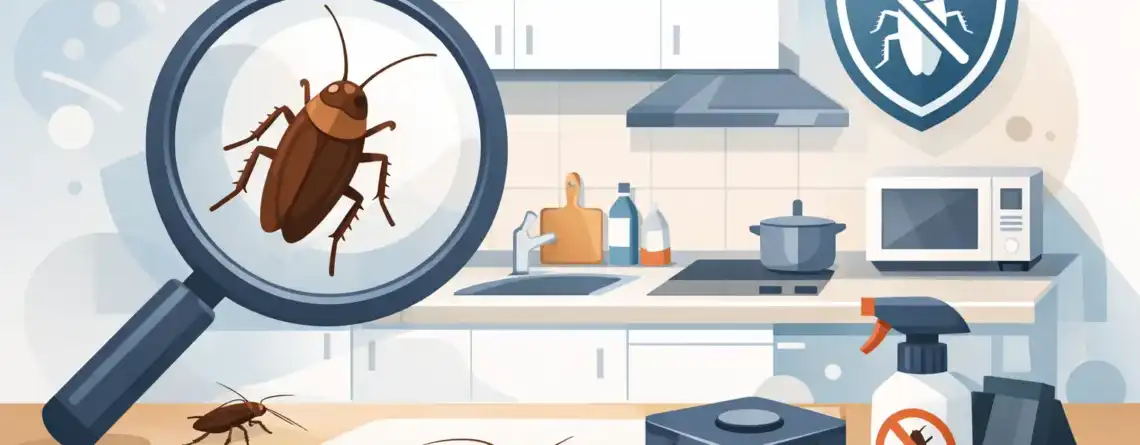
You switch on the kitchen light and see one roach sprint behind the cabinet. That usually means you are not dealing with just one. Effective cockroach control for kitchen spaces starts with a simple fact: if food, moisture, and hiding spots are available, roaches will keep coming back no matter how many you kill on sight.
Kitchens are the most attractive room in the property for cockroaches because they offer everything pests need to survive. Crumbs under appliances, grease around the stove, water under the sink, cardboard packaging in storage areas, and warm motor spaces behind refrigerators all create the right conditions. In apartments, villas, offices, and commercial kitchens, the problem can spread quickly because roaches move through drains, wall gaps, service lines, and shared structures.
If you want lasting results, the right approach is not just spraying and hoping for the best. You need a practical plan that removes the source, targets the infestation, and makes the kitchen harder for roaches to use again.
Why cockroaches keep returning to the kitchen
Most recurring infestations happen for one reason: the treatment was stronger than the prevention. A spray may knock down visible insects, but it does not fix the conditions attracting them. Roaches are built to hide in narrow cracks, stay active at night, and survive in places people rarely inspect.
The kitchen gives them several safe zones. Under-sink cabinets stay humid. Floor traps and drain areas offer moisture. Gaps behind backsplashes and counters create shelter. Even small leaks around pipes can support an infestation for weeks. If there is a food source nearby, the colony becomes harder to remove with store-bought products alone.
There is also a big difference between seeing an occasional roach and dealing with an established breeding problem. A single sighting may come from an outside source or a neighboring unit. Multiple sightings, egg cases, droppings that look like black pepper, or a musty odor usually point to a larger issue that needs immediate treatment.
Cockroach control for kitchen areas starts with sanitation
Professional pest treatment works better when the kitchen is properly cleaned first. That does not mean a quick wipe of the counters. Roaches feed on tiny residue that most people overlook.
Start with grease and food particles. Clean under the stove, behind the refrigerator, inside drawers, and around the microwave. Empty crumbs from toaster trays and storage shelves. Wipe oil buildup from cabinet doors, tiles, and exhaust areas. Mop along the edges of the room, not just the center of the floor.
Storage matters too. Dry goods should be kept in sealed containers instead of open packets or weak cardboard boxes. Pet food should not be left out overnight. Garbage bins need tight lids and regular emptying. In many homes and offices, the issue is not visible dirt. It is hidden food access.
That said, cleaning alone rarely eliminates a live infestation. It removes the attraction, but you still need to target the insects already nesting in the kitchen.
Moisture control is just as important as food control
Many people focus on crumbs and miss the bigger trigger: water. Cockroaches can survive longer without food than without moisture, which is why leaks and condensation often keep infestations active.
Check under sinks, around washing machines, near dishwashers, and behind refrigerators. Pipe joints, drain connections, and flexible hoses are common weak points. Even minor drips can support roaches, especially in warm weather.
If your kitchen has poor ventilation, moisture can also build up inside cabinets and behind appliances. This is common in tightly enclosed spaces where warm air and steam have nowhere to go. Drying these areas, fixing leaks quickly, and reducing standing water makes a major difference over time.
The treatment method matters
Not all cockroach infestations should be handled the same way. Light activity in a home kitchen may respond well to gel baiting and targeted crack-and-crevice treatment. Heavy infestations in older buildings or shared properties often need a broader strategy, including follow-up visits.
This is where many DIY attempts fail. Over-the-counter sprays are often applied in the wrong places, and some products actually push roaches deeper into walls or into neighboring units. Strong-smelling sprays can also interfere with baits, making the treatment less effective.
A more reliable approach combines inspection, targeted application, and monitoring. Technicians identify where roaches are feeding, nesting, and traveling. Then treatment is placed where it works best – inside gaps, behind fittings, under units, and along hidden harborages rather than across exposed surfaces.
For kitchens in homes with children, pets, or food handling needs, product choice matters as much as technique. Safe application, proper placement, and clear preparation steps are essential. Fast treatment is good, but correct treatment is what delivers lasting control.
Sealing entry points prevents repeat infestations
Once roach activity is reduced, the next priority is blocking access. This step is especially important in apartment buildings, restaurants, office pantries, and shared commercial spaces where pests can move between units.
Look closely at pipe openings under the sink, gaps around floor drains, cracks where counters meet walls, and spaces behind cabinets. Damaged sealant, loose tiles, and holes around utility lines give cockroaches easy routes in and out. Sealing these points does not replace treatment, but it supports it by cutting off movement.
There is a practical trade-off here. Sealing too early, before the infestation is treated, can trap pests inside hidden spaces. Sealing after proper control is more effective because it helps keep the kitchen protected long term.
When you should call a professional
If you keep seeing roaches after cleaning and basic treatment, the infestation is likely larger than it appears. That is the right time to bring in professional support. The same applies if you are seeing roaches during the day, finding them in multiple rooms, or noticing activity in office kitchens, restaurants, or building-wide shared areas.
Professional service saves time, but more importantly, it improves accuracy. A trained team can identify the species, assess the severity, choose the right treatment method, and advise on follow-up prevention. In many cases, this shortens the infestation cycle and reduces the cost of repeated failed attempts.
For property managers, landlords, and business owners, speed matters too. A visible roach problem affects hygiene standards, staff confidence, tenant satisfaction, and customer trust. Delaying treatment usually gives the infestation more time to spread.
This is where a responsive local provider adds real value. Hegy International handles kitchen pest problems with practical treatment plans, trained technicians, eco-friendly options, and same-day service availability across Doha and surrounding areas.
How to keep roaches out after treatment
Long-term kitchen protection depends on routine, not luck. Once the infestation is controlled, the goal is to make the space consistently unattractive to pests.
Keep the kitchen dry at night. Clean food residue daily, especially around cooking zones and under appliances. Store ingredients in sealed containers. Do not leave dishes in the sink overnight. Empty trash regularly, and wash bins often enough to remove residue from the bottom and sides.
It also helps to schedule periodic inspections if the property has a history of infestations or sits in a high-risk environment. Commercial kitchens, older villas, ground-floor apartments, and buildings with shared drainage usually benefit from ongoing pest monitoring. Prevention costs less than repeat emergency treatment.
A clean kitchen is a strong start, but a protected kitchen is what keeps the problem from returning. If roaches are already showing up, quick action makes the difference between a small treatment and a major infestation. The right plan is simple: remove food and moisture, treat the hidden areas properly, and close the gaps that let pests back in.