
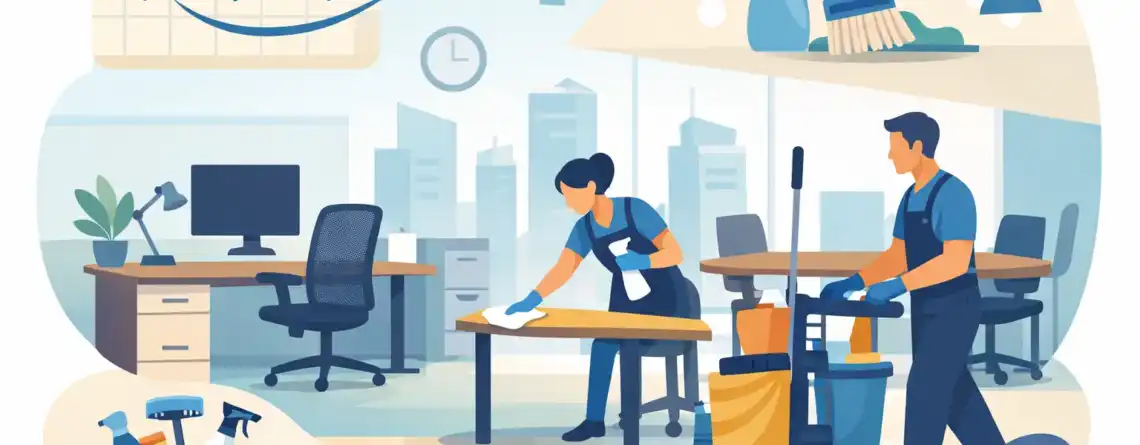
A missed restroom check at 11 a.m. can undo the effort of an entire week. In most offices, people notice the small failures first – dusty meeting tables, overflowing bins, fingerprints on glass, and pantry counters that never quite look clean. That is why a clear cleaning schedule for offices matters. It protects hygiene, supports staff morale, and helps your workplace stay ready for clients, visitors, and daily operations.
For office managers and business owners, the real issue is not whether cleaning should happen. It is whether it happens at the right time, at the right frequency, and with enough consistency to prevent complaints. A smart schedule keeps standards high without wasting budget on tasks that do not need constant attention.
What a cleaning schedule for offices should actually do
A good office cleaning plan is more than a checklist taped inside a janitor closet. It should match how your workplace functions day to day. A small administrative office with limited foot traffic needs one rhythm. A busy commercial office cleaning with shared workstations, meeting rooms, pantry use, and frequent visitors needs another.
The schedule should do three jobs at once. First, it should keep visible areas clean so the office looks professional throughout the day. Second, it should reduce hygiene risks in high-touch and high-use spaces like restrooms, reception desks, pantry surfaces, door handles, and shared equipment. Third, it should stop dirt from building into a larger maintenance problem that takes more time and money to fix later.
That balance is where many offices get it wrong. Some clean too lightly and end up with recurring complaints. Others over-service low-priority areas while missing the places that affect staff most.
Start with traffic, not assumptions
The fastest way to build an effective cleaning schedule for offices is to map the space by use, not by room name. A conference room that is used once a week does not need the same attention as a pantry used all day. Likewise, a director’s office may stay tidy for days, while the reception area can look worn by lunchtime.
Look at how people move through the office. Track the areas with constant contact, food use, moisture, or public visibility. Those spaces usually need daily cleaning or multiple checks per day. Low-traffic storage zones may only need weekly attention.
This approach also helps control cost. Instead of paying for blanket service across the whole office at the same intensity, you clean according to actual need. That is practical, especially for businesses trying to maintain quality while staying within budget.
Daily office cleaning tasks
Daily cleaning should focus on presentation and hygiene. These are the tasks that prevent the office from feeling neglected.
Reception areas, entrances, workstations, meeting rooms, and common walkways usually need dust removal, trash collection, spot cleaning, and floor care every day. Restrooms should be cleaned and sanitized daily, and in busier offices they may need checks more than once. Pantry areas also need daily attention because food residue, spills, and odors build quickly.
High-touch points deserve special focus. Light switches, lift buttons, door handles, shared phones, printer panels, and table surfaces can collect germs fast. In offices where staff share desks or equipment, these touchpoints become even more important.
There is also a visual standard to protect. Smudged glass doors, stained sink areas, and bins left too full send the wrong message to staff and visitors. Daily cleaning keeps those details under control.
Weekly and monthly tasks that prevent buildup
Daily cleaning alone is not enough. Offices also need scheduled deeper work to handle the dirt people do not always notice until it becomes a problem.
Weekly tasks often include deeper vacuuming, mopping edges and corners properly, wiping skirting and low surfaces, sanitizing chairs and shared seating, cleaning inside microwaves and refrigerators, and removing marks from walls or partitions. If your office has glass partitions or internal windows, weekly attention usually keeps them clear without letting fingerprints pile up.
Monthly tasks should go further. This is the time to clean upholstery, detail air vents, deep clean carpets where needed, wash hard-to-reach surfaces, and treat neglected corners behind furniture or under equipment. Depending on the office type, monthly service may also include machine scrubbing for floors or a more detailed restroom treatment.
It depends on the environment. A corporate office with mostly desk work may need lighter deep cleaning than a customer-facing workspace with constant movement. But every office benefits from a monthly reset that tackles the areas daily service cannot cover thoroughly.
How often should restrooms, pantry areas, and carpets be cleaned?
These three areas usually drive the most complaints, so they deserve separate planning.
Restrooms should be cleaned daily at a minimum. In high-traffic offices, a single daily clean may not be enough. Midday replenishment and quick sanitation checks help avoid bad odors, wet floors, and supply shortages. If visitors regularly use the facility, higher frequency is usually worth it.
Pantry areas also need daily service because food waste attracts stains, smells, and sometimes pests. Counters, sinks, taps, appliance handles, tables, and flooring should be cleaned every day. Refrigerators and microwaves need a deeper weekly clean to prevent hidden buildup.
Carpets are different because appearance can be misleading. They may look acceptable while holding dust, allergens, and stains. Vacuuming should happen frequently, but deep carpet cleaning works best on a scheduled basis, often monthly or quarterly depending on foot traffic. Offices in sandy or dusty conditions may need more frequent treatment.
Don’t separate cleaning from pest prevention
Many office managers treat cleaning and pest control as separate problems. In practice, they are closely connected. Poor pantry hygiene, wet restroom areas, unmanaged waste, and neglected storage corners can attract cockroaches, ants, and rodents.
That is why office hygiene plans work better when cleaning frequency supports pest prevention. Bins should be emptied on time. Food crumbs should not stay overnight. Drains, sink areas, and break rooms should be cleaned properly instead of wiped quickly. If there are early signs of pest activity, the response should be fast before it affects staff confidence or disrupts the business.
For many offices, combining routine cleaning with professional pest management is more efficient than reacting after a problem becomes visible. It is a practical way to protect hygiene standards over the long term.
Should cleaning happen during office hours or after hours?
There is no one answer for every business. After-hours cleaning gives technicians better access and avoids disrupting staff. It is often the best fit for floor care, vacuuming, washroom sanitizing, and deeper work that needs time.
But some offices also need support during the day. If your pantry stays busy, your restroom traffic is high, or clients come in regularly, daytime touch-up cleaning can make a real difference. This is especially true in larger offices where one evening service cannot maintain standards until the next day ends.
A mixed schedule often works best. Core cleaning happens after hours, while selected areas get daytime checks based on usage.
Signs your current schedule is not working
If the office looks clean right after service but quickly falls apart, the frequency is probably wrong. If staff keep raising the same issues about restrooms, odors, dust, or pantry mess, the problem may be task coverage rather than effort.
Another warning sign is when cleaning becomes reactive. If services are only adjusted after complaints, inspections, or surprise visits, the schedule is not doing its job. A dependable office plan should prevent problems before people start talking about them.
Cost can also be a clue. If you keep paying for emergency deep cleans, stain removal, or pest callouts, your routine schedule may be too light. Preventive maintenance is usually more affordable than repeated corrective work.
Building a schedule that fits your office
The right plan starts with a site-specific assessment. Office size matters, but usage matters more. Headcount, visitor traffic, shared facilities, floor type, pantry activity, and restroom demand all affect the schedule.
From there, the cleaning plan should be simple enough to manage and strict enough to maintain. Daily, weekly, and monthly tasks should be clearly assigned. Supplies should be tracked. High-touch and high-visibility areas should never be left to chance. If your business needs same-day support, deep cleaning, carpet treatment, or pest control as part of the wider hygiene picture, it helps to work with one provider that can respond quickly and keep the schedule consistent.
At Hegy International, that is the standard businesses expect from a facilities partner – fast response, trained teams, affordable service, and practical results that hold up in real working environments.
A strong office cleaning schedule is not about doing more for the sake of it. It is about cleaning the right things at the right time so your workplace stays clean, safe, and ready every day.