
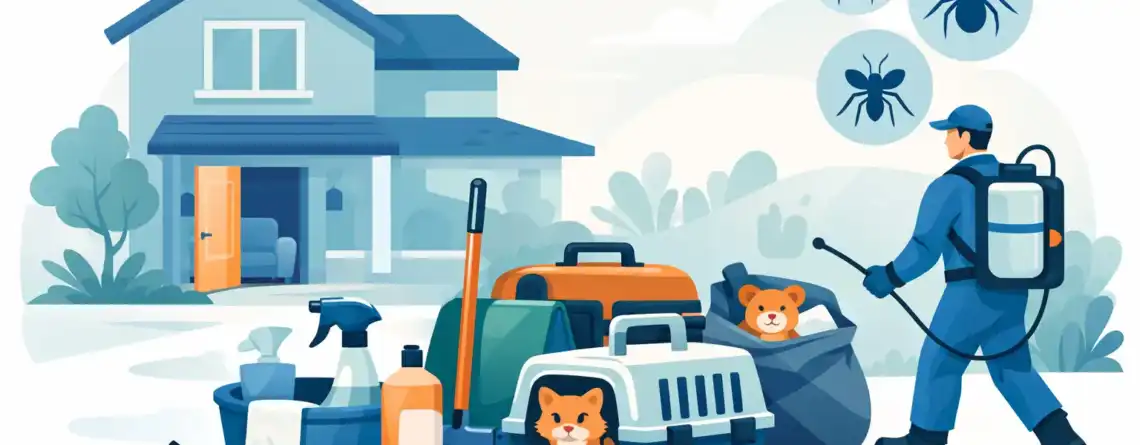
A pest treatment works best when the technician can reach the places pests use to hide, feed, and breed. Knowing how to prepare for pest treatment before the team arrives can make the service safer, faster, and more effective, whether you are dealing with cockroaches in an apartment, bed bugs in a villa, ants in a kitchen, or rodents in a commercial space.
Preparation does not mean you need to deep-clean the entire property or throw away your belongings. It means making the treatment areas accessible, protecting food and personal items, and following the specific instructions provided for your pest problem. A professional team will guide you, but the steps below help you get ready with confidence.
How to Prepare for Pest Treatment by Pest Type
The right preparation depends on the pest and the treatment method. A cockroach treatment may focus on kitchen cabinets, plumbing openings, and appliances. Bed bug treatment requires access to beds, furniture, and nearby storage. Rodent control may involve inspecting ceilings, utility spaces, storerooms, and exterior entry points.
When you book the service, tell the pest-control provider where you have seen activity, how long the issue has been present, and whether children, pets, elderly family members, or people with allergies are in the property. This helps the technician choose the appropriate treatment plan and explain any pest-specific requirements before arrival.
Do not use strong sprays, foggers, or unknown chemicals immediately before a professional visit unless you have been instructed to do so. These products can drive pests deeper into walls and cracks, make inspection more difficult, or interfere with the planned treatment.
Clear Access to Problem Areas
Pests rarely stay in open areas. They settle behind appliances, inside cabinets, under furniture, around pipes, in cluttered storage, and near moisture. The more accessible these areas are, the more thoroughly they can be inspected and treated.
Start by moving items away from walls where possible. In kitchens, create access under the sink, around the refrigerator, stove, dishwasher, and washing machine. In bathrooms, remove loose toiletries and empty the cabinet below the sink if that area is affected. For bedrooms, allow access around bed frames, wardrobes, sofas, and side tables.
You do not need to dismantle heavy furniture unless the technician requests it. Simply make enough room for the team to inspect behind and beneath it safely. In offices, shops, warehouses, and other commercial properties, identify locked rooms, utility areas, stock rooms, and ceiling access points in advance so the visit is not delayed.
Reduce clutter without moving pests elsewhere
Clutter gives insects and rodents more hiding places, but moving infested items from room to room can spread the problem. This is especially relevant for bed bugs. Instead of carrying bags, bedding, boxes, or furniture into another room, keep them in the affected area until you receive instructions.
Place loose items in sealed bags or containers when advised. Labeling items by room can also help, particularly in large villas, staff accommodation, offices, and multi-unit properties. A clear, organized space allows the technician to see signs of activity and complete treatment with fewer missed areas.
Protect Food, Dishes, and Personal Belongings
Before indoor treatment, store all food in sealed containers or place it in the refrigerator. This includes dry goods, fruit, bread, spices, tea, coffee, pet food, and items kept on countertops. Empty exposed ice trays if your provider advises it, and cover water dispensers where needed.
Put dishes, cutlery, cookware, and small kitchen appliances inside cabinets, then close them fully. If the cabinets themselves are being treated, remove the contents first and follow the technician’s instructions about when it is safe to return them. Wipe food-preparation surfaces after the recommended re-entry period.
Keep toothbrushes, cosmetics, medications, baby items, and personal-care products away from treatment areas. Cover or remove aquariums, and make arrangements for birds and other sensitive pets well before the appointment. Fish tanks require special care because airborne products can affect aquatic life. Ask the provider for instructions rather than guessing.
Prepare Children, Pets, and Family Members
Safety instructions are not the same for every treatment. Some services require occupants to leave for a set period, while others allow you to remain in untreated areas. The correct timing depends on the products used, the application method, ventilation, the pest involved, and the size of the property.
Arrange for children, pets, and anyone who may be sensitive to chemicals to stay away from treatment zones. If you have a baby, a pregnant family member, an elderly resident, or someone with asthma or respiratory concerns, mention this before the service. A professional pest-control company can explain the appropriate precautions and re-entry guidance for your situation.
Before leaving, make sure pets have food, water, leashes, carriers, and any medication they need. Do not allow pets back into treated areas until the technician confirms it is safe. Once you return, prevent children and animals from touching treated surfaces, bait stations, traps, or monitoring devices.
Prepare for Bed Bug Treatment Carefully
Bed bugs need more detailed preparation because they can hide in mattress seams, bed frames, upholstered furniture, curtains, luggage, clothing, and narrow cracks near sleeping areas. Treatment is most successful when the affected rooms are handled carefully and consistently.
Wash bedding, clothing, and washable fabrics from the affected room using the hottest setting suitable for the fabric. Dry them thoroughly on high heat when appropriate, then place clean items in sealed bags or containers. Do not return them to drawers, wardrobes, or beds until you are told it is safe to do so.
Remove items from under beds and give access to the bed frame, headboard, mattress edges, and nearby furniture. Avoid sleeping in another room if bed bugs are suspected unless the technician advises otherwise. Changing rooms can give the pests a chance to spread to new locations.
Get Kitchens Ready for Cockroach and Ant Treatment
Cockroaches and ants are attracted to food residue, water, grease, and hidden crumbs. A clean kitchen supports treatment, but avoid heavy chemical cleaning immediately before the visit if gel baits or targeted products will be used. The technician may need to place treatment in areas where pests travel and feed.
Wipe visible spills, remove garbage, and avoid leaving dirty dishes overnight. Empty the trash before the appointment and keep bins clean afterward. Check under sinks for leaks and report any dripping pipes, standing water, or damaged seals. Moisture problems can keep cockroaches active even after a good treatment.
For best long-term results, continue storing food in sealed containers, cleaning behind appliances periodically, and keeping pet feeding areas tidy. Pest treatment eliminates active activity, while good sanitation and maintenance reduce the chance of a fast return.
Help With Rodent Control and Commercial Treatments
For rats and mice, clear access around walls, storerooms, false ceilings, garbage areas, and service shafts is valuable. Remove cardboard piles, unused materials, and clutter that could provide nesting space. Do not move or disturb droppings with a dry broom or vacuum. Tell the technician where you found them so the area can be assessed safely.
Commercial sites need one additional step: appoint someone who can provide access and answer questions during the visit. Facilities managers should notify staff about restricted areas, secure sensitive documents and stock, and identify food-handling zones, electrical rooms, server rooms, or areas with special hygiene requirements. Treatment plans for restaurants, offices, retail spaces, warehouses, and industrial properties must fit daily operations without compromising safety.
After Treatment: Let the Plan Work
Many customers expect to see immediate results, but pest activity can change before it stops. Cockroaches may emerge from hidden areas after treatment. Rodent monitoring may require follow-up checks. Bed bug control often needs more than one visit because eggs and hiding places make the problem harder to eliminate in a single service.
Follow the technician’s advice about ventilation, cleaning, and re-entry. Do not scrub treated cracks, corners, baseboards, or bait placements too soon. At the same time, continue normal hygiene in food-preparation areas once the stated waiting period has passed. If you notice activity after treatment, record where and when you see it rather than applying extra chemicals yourself.
A prepared property gives professional pest control the best chance to deliver visible, long-lasting results. If you need prompt pest treatment in Doha or surrounding areas, Hegy International can provide clear pre-service instructions, trained technicians, and a treatment plan suited to your home, office, or commercial property.