
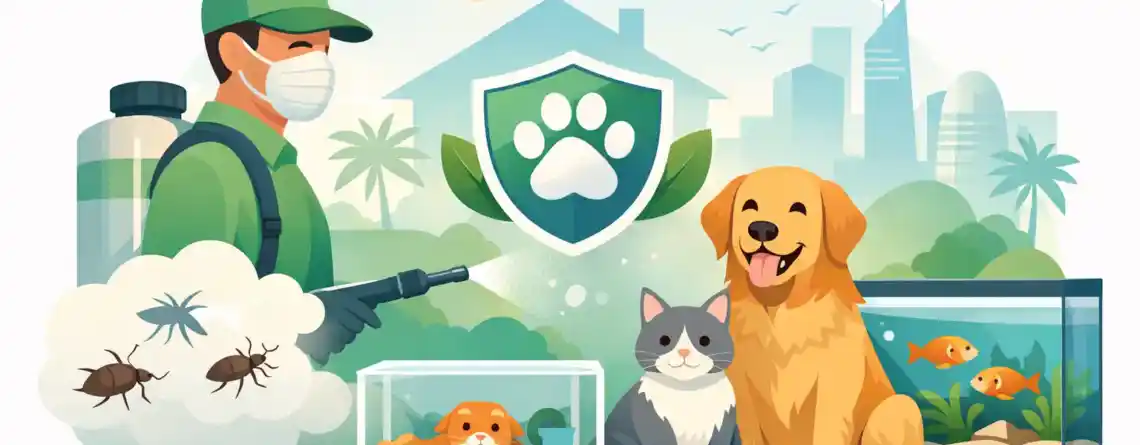
A cockroach under the kitchen sink or ants near the pet bowl can make any home feel uncomfortable fast. The right pet safe pest control treatment addresses the infestation without treating your pet’s safety as an afterthought. For families in Doha, Lusail, The Pearl, West Bay, Al Rayyan, Al Wakrah, and nearby areas, that means choosing a professional approach based on inspection, targeted application, and clear instructions before anyone enters the treated space.
Pet-safe does not mean a treatment is harmless in every situation. It means the pest-control plan is selected and applied carefully, using approved products, controlled placement, and practical precautions suited to your home, your pest problem, and the animals living there.
What Pet-Safe Pest Control in Qatar Really Means
A reliable treatment begins with identifying the pest and the source of activity. Cockroaches, ants, bed bugs, rodents, mosquitoes, and termites do not respond to the same method. Spraying every room without a plan can create unnecessary exposure while failing to solve the reason pests appeared in the first place.
A professional pet-conscious plan focuses on the smallest effective treatment area. For example, cockroach control may involve targeted gel bait in inaccessible cracks, treatment around pipe entries, and removal of food and moisture sources. Rodent control may require secure, tamper-resistant bait stations placed where pets cannot reach them, along with sealing entry points. Ant activity may be handled by treating nest pathways rather than applying products across floors where pets eat and rest.
The safest method depends on the infestation, the property layout, and the pet. A small puppy that chews everything needs different precautions than an indoor cat, a bird in a cage, or an aquarium with sensitive fish. Be direct with the service team about every animal in the property, including pets kept on balconies, in utility rooms, or in garden areas.
Why a Professional Assessment Matters
Store-bought products may look convenient, but they can be difficult to use correctly. An unsuitable product, too much application, or treatment in the wrong location can leave pests active and create avoidable risks. Some pests also require follow-up visits because eggs, hidden nesting areas, or building-wide entry points can restart the problem.
A trained technician checks where pests are entering, feeding, hiding, and breeding. In apartments, activity may be connected to shared plumbing lines, rubbish areas, false ceilings, or neighboring units. In villas, pests can enter through garden drains, gaps around doors, exterior AC lines, or storage areas. The solution should match these conditions rather than rely on a one-size-fits-all treatment.
Professional service also gives you practical guidance on when pets can return to treated areas. This varies according to the product, treatment method, ventilation, and the surfaces involved. Never assume that a room is ready because an odor has faded, or because a treatment has dried. Follow the technician’s re-entry instructions exactly.
Preparing Your Home for Pet Safe Pest Control Treatment
Good preparation improves results and helps protect your animals. Before the appointment, remove pet food, water bowls, toys, bedding, litter trays, and cages from the treatment area. Store food in sealed containers, including dry kibble and treats. If a pet normally eats in the kitchen, move feeding to a separate untreated room until the service team confirms it is safe to return.
Keep pets away from the property during treatment whenever possible. Arrange for them to stay with a family member, trusted neighbor, or pet-care provider. If that is not practical, tell the technician before work begins so the treatment plan can account for the animal’s location and avoid disturbing it unnecessarily.
Aquariums deserve special attention. Fish and other aquatic animals can be highly sensitive to airborne products. Your technician should be informed in advance so they can explain the right protective steps, which may include covering the tank and switching off air pumps during the application period where appropriate. Birds, reptiles, and small caged animals can also be more sensitive than cats and dogs, so do not leave them in or near treatment zones without specific professional guidance.
After treatment, ventilate rooms as instructed and clean only the surfaces your technician identifies. Cleaning treated cracks, bait placements, or perimeter areas too soon can reduce the treatment’s effectiveness. At the same time, pet feeding spaces, food-preparation surfaces, and regularly touched areas may need appropriate cleaning before normal use. Clear aftercare instructions make this balance easier.
Pest Control Methods That Reduce Pet Exposure
The best pest management does not rely on chemical treatment alone. It combines sanitation, exclusion, monitoring, and targeted treatment. This approach can reduce the amount of product needed while providing more dependable long-term control.
For many homes and offices, the plan may include four practical measures:
- Sealing gaps around pipes, doors, windows, drains, and utility openings that allow pests inside.
- Removing food residue, standing water, cardboard clutter, and other conditions that support pest activity.
- Using monitored traps, secure bait stations, or precisely placed gel applications instead of broad, unnecessary spraying.
- Scheduling follow-up checks when the pest life cycle or severity of the infestation requires it.
No single method is right for every problem. Bed bug treatment, for example, often requires detailed room preparation, careful inspection of beds and furniture, and follow-up work. Termite control may need a property-specific protection plan. Mosquito control can involve eliminating breeding water as well as treating outdoor risk areas. A dependable provider explains what is being used, where it will be applied, and why it is necessary.
Questions to Ask Before Booking
You do not need pest-control expertise to make a safe choice. Ask whether the company uses approved treatments, whether the technician is trained for the specific pest, and what steps are required for pets before and after the visit. Ask how long pets must remain out of treated areas and whether a follow-up inspection is included.
It is also reasonable to ask about the treatment location. Products placed inside inaccessible cracks or secure stations are very different from materials used across open surfaces. A clear answer helps you understand how the service will work in your property.
Be cautious of anyone who promises that every product is completely risk-free or who cannot provide re-entry guidance. Safe pest control is about informed management, not unrealistic guarantees. Your provider should take time to understand your home, listen to concerns about your pets, and give instructions in plain language.
Protecting Pets After the Service Visit
Once the recommended waiting time has passed, inspect the treated areas before allowing pets to roam freely. Put bowls, bedding, and toys back only after the relevant surfaces have been cleaned or cleared according to the aftercare instructions. Keep an eye on curious pets that may investigate corners, stations, or newly sealed areas.
If you notice an open bait station, spilled product, or any item that your pet may have chewed or swallowed, keep the pet away from the area and contact your veterinarian promptly. Keep the treatment details available so you can provide accurate information if needed. Quick action is always better than waiting for symptoms.
Long-term prevention also makes a major difference. Clean food spills promptly, avoid leaving pet food out overnight, empty indoor bins regularly, repair leaks, and reduce clutter in storage spaces. These small habits make your property less attractive to pests and reduce the need for repeated intervention.
For homes, villas, offices, and managed properties across Qatar, Hegy International provides targeted pest management with trained teams, approved solutions, and practical guidance for safer, more comfortable spaces. The goal is not simply to remove visible pests. It is to help you maintain a hygienic property where your family and pets can settle back into their normal routine with confidence.
A pest problem should not force you to choose between effective control and care for the animals you love. With honest disclosure about your pets, careful preparation, and a treatment plan designed for the actual infestation, you can protect your property without losing sight of what makes it home.