
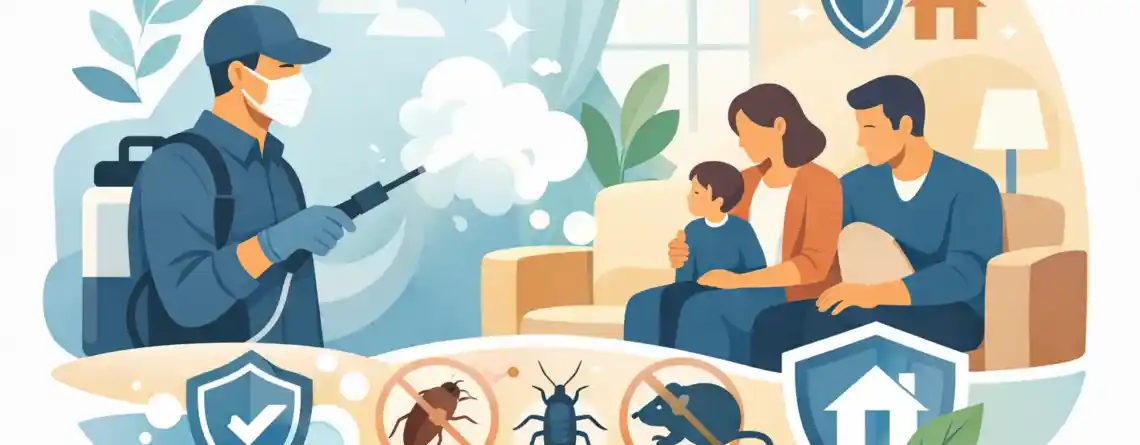
A cockroach treatment in the kitchen or a bed bug service in a bedroom can feel worrying, especially when children, pets, food, and daily routines are involved. Are pest treatments safe indoors? They can be when the treatment is correctly selected, applied by trained professionals, and followed by the right preparation and aftercare. Safety does not mean using no products at all. It means using the appropriate method, in the appropriate place, at the appropriate dose.
For homes, apartments, villas, offices, restaurants, and shared buildings across Doha, the safest pest-control plan is one that addresses the actual pest problem without treating every surface unnecessarily. A reliable technician will inspect first, explain the recommended approach, and give clear instructions before and after the service.
Are Pest Treatments Safe Indoors for Families and Pets?
Indoor pest treatments are not all the same. The right method for ants may be very different from the right method for bed bugs, rodents, termites, or cockroaches. Safety depends on the product used, how it is applied, ventilation, the treated area, and whether occupants follow the technician’s instructions.
Professional treatments are generally designed to target pests in cracks, wall voids, under appliances, around plumbing lines, or in other pest pathways. This is more controlled than spraying broad open areas. For example, a gel bait for cockroaches is usually placed in small, inaccessible points where roaches feed, while a rodent-control plan may focus on secure bait stations, trapping, and closing entry gaps.
Children and pets need extra consideration because they spend more time close to floors, may touch treated areas, and can accidentally put objects in their mouths. Tell the pest-control team before service if you have infants, elderly family members, pregnant residents, cats, dogs, birds, fish tanks, or anyone with respiratory sensitivities. That information helps the technician plan the safest practical treatment and provide specific reentry guidance.
No responsible provider should promise that every treatment is risk-free in every situation. The honest answer is that risk is managed through product approval, correct application, limited exposure, and careful aftercare. A serious infestation also has its own health and hygiene risks, including contamination from cockroaches and rodents, bites from bed bugs, and damage caused by termites.
What Makes an Indoor Treatment Safer?
The key difference between a controlled professional service and a careless application is not simply the label on the product. It is the full process behind the service.
First, the pest must be identified correctly. Treating suspected bed bugs like mosquitoes, or using a cockroach spray for a rodent problem, wastes time and may increase unnecessary exposure. A proper inspection checks where pests are active, what is attracting them, and how they are getting inside.
Next, the technician should use the least disruptive effective method. This may include targeted gel baits, crack-and-crevice treatment, insect growth regulators, traps, physical removal, exclusion work, or carefully controlled residual treatment. In some cases, cleaning, moisture control, and sealing gaps solve a large part of the issue without extensive chemical application.
The application itself matters just as much. Approved treatments must be used according to product directions and in the correct concentration. Technicians should avoid food-contact surfaces unless those surfaces can be properly cleaned afterward, and they should protect or advise on sensitive areas such as children’s play spaces, pet feeding zones, aquariums, kitchens, and storage rooms.
Finally, residents need clear instructions. If a provider cannot explain what will be treated, how long to stay out, what to clean, and what not to clean, ask more questions before proceeding.
How to Prepare Your Home Before Pest Control
Good preparation makes treatment safer and more effective. Your technician may provide pest-specific instructions, but a few steps apply to most indoor services.
Store food, dishes, utensils, and baby items in sealed cabinets or remove them from the treatment area. Clear kitchen counters and dining surfaces so they can be protected and wiped as directed. Keep toys, pet bowls, pet bedding, and laundry away from the areas being serviced.
For cockroach and ant treatments, clean visible food spills and remove trash, but do not deep-clean every crack immediately before the visit if it could remove evidence of pest activity. For bed bug service, preparation is usually more detailed. Linens, clothing, and fabrics may need to be bagged, washed, or heat-treated according to the plan. Moving items from an infested room into another room without instructions can spread the problem.
Aquariums require special care. Fish are highly sensitive to many airborne products, so inform the technician in advance. The team can advise whether the tank needs to be covered, aeration temporarily switched off, or the area treated using a different method. Birds and small pets may also need to be removed from the property during treatment.
What to Do After an Indoor Pest Treatment
The most common mistake after pest control is cleaning too soon. If a residual treatment or gel bait has been applied in specific pest pathways, washing it away can reduce its effect. Follow the technician’s written or verbal guidance for each area rather than using a one-size-fits-all cleaning routine.
Stay out of treated spaces for the recommended period. Reentry time varies based on the product, treatment method, ventilation, and location. Once you return, open windows where practical and use normal ventilation if your technician recommends it. Do not let children or pets touch treated cracks, bait placements, traps, or bait stations.
Wipe food-preparation surfaces before using them if they were exposed or if your technician advises it. Wash hands after handling items near treatment areas, and do not move placed baits or traps unless instructed. Seeing a few pests after service does not always mean the treatment failed. Some treatments need time to work, and hidden pests may emerge after their usual nesting areas are disturbed.
For cockroach, ant, or bed bug problems, follow-up service can be necessary because eggs, hidden harborages, and reinfestation routes may require more than one visit. A dependable provider will explain what activity is normal after treatment and when to contact them for reassessment.
When You Should Take Extra Precautions
Every property has different needs. Extra precautions are especially helpful in homes with newborns, people with asthma or chemical sensitivities, elderly residents, pets, aquariums, or residents who are receiving medical care. Tell the technician about these conditions before any product is selected or applied.
The same applies to commercial environments. Offices need scheduling that avoids employee disruption. Restaurants, retail spaces, warehouses, clinics, and property-management sites may have specific hygiene, access, and documentation requirements. In these settings, pest control should be coordinated with cleaning schedules, staff access, food storage, and operational hours.
If anyone develops unexpected symptoms such as breathing difficulty, persistent dizziness, severe eye irritation, or vomiting after exposure, move to fresh air and seek medical advice promptly. Keep the treatment information available so healthcare professionals can identify what was used if needed.
Why DIY Indoor Spraying Can Create More Risk
A store-bought spray may seem like the quickest answer when pests appear at night or before guests arrive. But repeated DIY spraying often treats the visible insect while missing the nest, entry point, or breeding area. It can also push pests deeper into walls, spread bed bugs to other rooms, or make cockroach bait less effective.
Overapplication is another concern. Mixing products, using them more frequently than directed, or spraying near food, bedding, and pet areas can create avoidable exposure. Foggers are particularly easy to misuse indoors because they do not reliably reach protected pest hiding spots and can deposit product across unnecessary surfaces.
Professional pest management is not just about applying treatment. It includes inspection, targeted action, sanitation advice, exclusion recommendations, and follow-up when needed. Hegy International uses trained teams and approved treatment methods to help homes and businesses address pest problems with clear preparation and aftercare guidance.
Questions to Ask Before You Book
Before approving indoor pest control, ask what pest has been identified, which rooms will be treated, and whether the method is targeted or broad application. Ask how long children, pets, and residents should remain out of the space, what needs to be removed or covered, and which areas should not be cleaned afterward.
You should also ask whether a follow-up visit is likely, especially for bed bugs, cockroaches, termites, and persistent rodent activity. A clear answer helps you plan around your household or business operations instead of facing surprises after the technician leaves.
The goal is a pest-free property that still feels safe, comfortable, and ready for normal life. Choose a service that takes time to inspect, communicates plainly, and gives your household the instructions needed to use the space with confidence.