
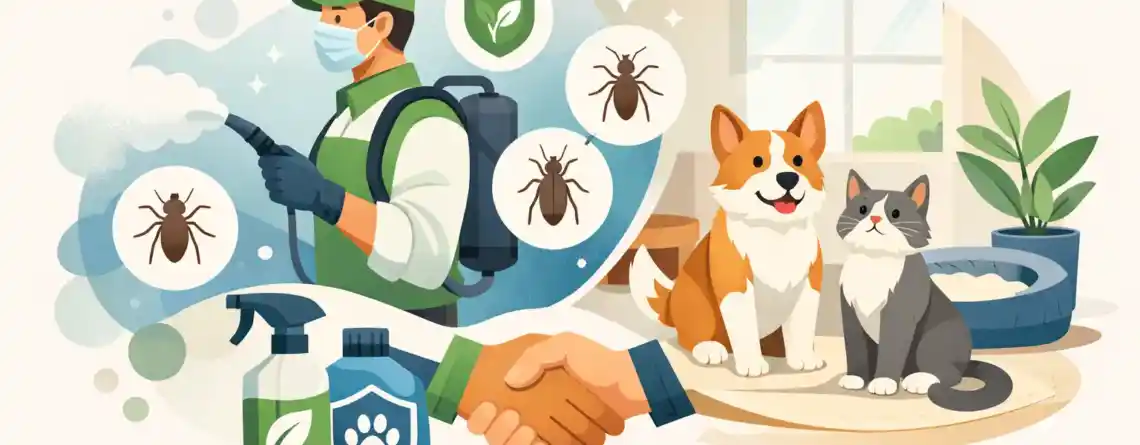
A cockroach seen near a pet’s food bowl or a trail of ants across the kitchen floor calls for fast action. But for households with cats, dogs, birds, fish, or small animals, the first question is usually: is pest control safe for pets? The short answer is yes, when treatment is planned correctly, applied by trained professionals, and followed by the right preparation and re-entry instructions.
Pest control is not one product or one procedure. A targeted ant treatment is different from rodent control, bed bug treatment, mosquito control, or termite management. The safest approach starts with identifying the pest, selecting the least disruptive effective method, and protecting every animal in the property before work begins.
Is Pest Control Safe for Pets When Done Professionally?
Professional pest control can be safe for pets because trained technicians control where products are placed, how much is used, and which treatment method fits the infestation. The goal is not to spray every surface. It is to treat pest activity at its source – such as cracks, wall gaps, drains, nesting areas, entry points, or concealed harborages.
Pet safety depends on three things: the product used, the way it is applied, and whether the household follows the technician’s instructions. A treatment that is appropriate for a vacant storeroom may require different precautions in a family villa with two dogs, a cat, and an aquarium.
No responsible provider should promise that every pest-control product is harmless in every situation. Products are designed to affect pests, and pets can be exposed if they lick a wet treated surface, eat bait, chew a rodent station, or return to an area before it is ready. That is why correct preparation and re-entry timing matter as much as the treatment itself.
Why Pet Type Changes the Safety Plan
Dogs and cats are the pets most people think about, but they are not the only concern. Each animal has different habits and sensitivities.
Dogs may sniff treated edges, lick floors, or investigate bait stations. Cats often walk along baseboards, furniture edges, and balconies, then groom their paws. Small animals, including rabbits, hamsters, and guinea pigs, can be more sensitive to airborne products and should be removed from the treatment area. Birds are especially sensitive to fumes and aerosols, so they need careful planning and often temporary relocation.
Aquariums require extra attention. Fish cannot simply be moved to another room without considering water temperature, filtration, and stress. The aquarium should be securely covered as directed, with air pumps and filtration managed according to the technician’s instructions. Reptiles and amphibians also need specific care because of their enclosed habitats and sensitivity to temperature, humidity, and residues.
Tell the pest-control team about every pet in the home, including animals kept in cages, tanks, balconies, or outdoor areas. This information allows the technician to choose a safer treatment layout before arriving, rather than making rushed adjustments on site.
Safer Pest Control Starts Before Treatment
A good service visit begins with a short property assessment. The technician should ask where pests have been seen, whether children or pets live in the property, and which rooms need priority attention. In apartments, this can include kitchens, bathrooms, utility areas, and balcony access points. In villas, it may also include gardens, garages, boundary walls, roof areas, and outdoor drainage.
Before treatment, remove pet food, water bowls, toys, bedding, and litter trays from the areas being serviced. Store food in sealed containers and clear kitchen counters. If your pet has a favorite blanket or sleeps near a wall or under furniture, move those items as well.
For many indoor treatments, pets should stay out of the property or away from treated rooms until the stated re-entry time has passed and treated surfaces are dry. The exact timing varies by treatment method, ventilation, pest type, and product instructions. Do not guess or rely on a neighbor’s experience. Ask for the specific guidance for your home.
If your pet takes medication, has respiratory issues, is pregnant, very young, elderly, or recovering from illness, mention this before booking. Your veterinarian can also advise on individual health concerns. Pest-control professionals can adjust the service plan, but veterinary advice is the right resource for a pet’s medical needs.
What to Expect From Different Pest Treatments
Different pests require different control methods, which is why a one-size-fits-all treatment is rarely the best choice.
Cockroaches and Ants
For cockroaches and ants, targeted gel baits and crack-and-crevice treatments can reduce broad surface exposure compared with indiscriminate spraying. Baits must still be placed where pets cannot reach them. A professional team will position them in protected locations and advise you not to wash treated spots immediately, since that can reduce results.
Rodents
Rodent control needs extra caution in pet homes. Loose poison should never be accessible to a dog, cat, or other animal. Secure tamper-resistant bait stations, trap placement in inaccessible locations, and proofing entry points are safer components of a professional rodent-control plan. If you suspect your pet has eaten rodent bait or a poisoned rodent, contact a veterinarian immediately.
Bed Bugs
Bed bug treatments often involve detailed preparation because pests hide in bed frames, seams, furniture joints, and nearby cracks. Pets should be kept away during treatment and should not use treated bedding, pet beds, or furniture until the technician confirms it is safe. Washing and heat-treating washable fabrics may also form part of the process.
Mosquitoes and Outdoor Pests
Outdoor mosquito treatment may focus on breeding sources, standing water, vegetation, drains, and shaded resting areas. Keep pets indoors during application and away from treated outdoor areas until the advised time has passed. Regularly emptying standing water from planters, trays, and unused containers also helps reduce mosquito activity without relying only on treatment.
Four Steps Pet Owners Should Take After Service
Follow the instructions given for your specific treatment, then take these practical steps to protect your pet and support long-lasting results:
- Ventilate rooms when advised, especially after an indoor treatment.
- Keep pets away from treated surfaces until they are fully dry and the re-entry period has passed.
- Do not mop, scrub, or move bait placements unless the technician tells you to do so.
- Monitor pets for unusual behavior, such as vomiting, drooling, coughing, tremors, or extreme tiredness, and contact a veterinarian promptly if exposure is suspected.
Normal curiosity is often the biggest risk. A dog that never pays attention to the baseboards may suddenly become interested in a new smell. Check that pet gates, cages, and feeding areas are positioned away from treatment zones, particularly during the first day after service.
Why DIY Products Can Create More Risk
Store-bought sprays may look like the quick and affordable answer, especially when pests appear suddenly. The trade-off is that homeowners may use too much product, apply it in the wrong place, combine products, or treat an infestation without finding its source. That can increase exposure for pets while failing to solve the underlying problem.
For example, repeatedly spraying visible cockroaches may drive them deeper into wall voids while leaving egg cases and hiding places untouched. Overusing outdoor products can also affect areas where pets walk, play, or eat. A targeted professional plan is often more controlled, more efficient, and easier to manage around a household routine.
Integrated pest management also reduces unnecessary chemical use. It combines treatment with sanitation, moisture control, sealing access points, waste management, and ongoing monitoring. Fixing a leaking pipe, closing a gap under a door, or improving food storage can make a major difference after the initial treatment.
A Clear Plan for Pet-Safe Pest Control in Qatar
In Doha and across Qatar, warm weather, building density, outdoor landscaping, and frequent movement between apartments, villas, offices, and shared spaces can all contribute to pest activity. Fast action matters, but speed should never mean skipping safety steps.
Hegy International provides targeted pest-management services with trained teams, approved treatment products, and clear preparation guidance for homes and commercial properties. When booking, explain the pest issue, property type, and any pets on site so the team can prepare the right service approach from the start.
A pest-free home should not come at the expense of your pet’s well-being. Choose a provider that asks the right questions, gives straightforward instructions, and treats the source of the problem so your family can return to a cleaner, more comfortable space with confidence.