
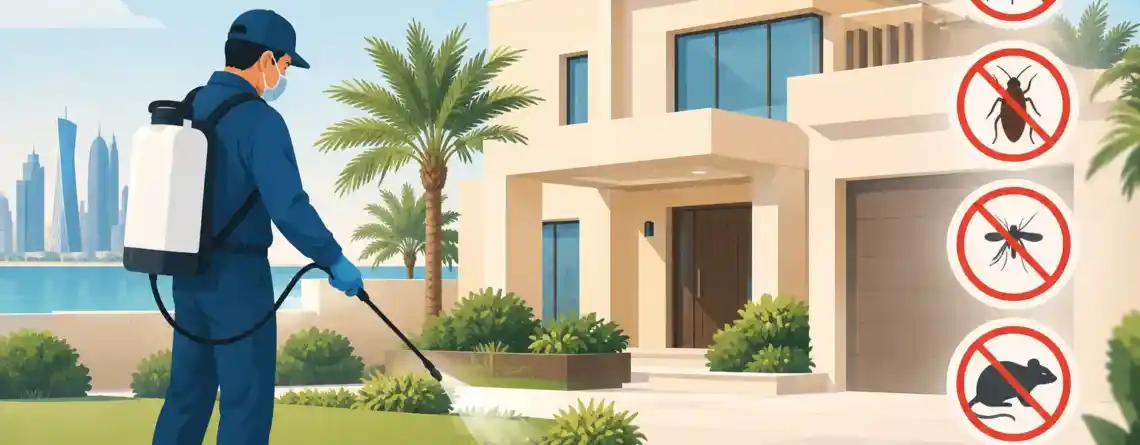
A villa can look spotless and still provide ideal shelter for pests. A small gap around an outdoor pipe, moisture beneath a sink, pet food left overnight, or a poorly sealed waste bin may be enough to start a problem. This villa pest control guide helps Qatar homeowners, tenants, landlords, and property managers identify what needs attention before pests spread from one area of the property to another.
Villas require a different approach from smaller apartments. They often have gardens, garages, staff rooms, storage spaces, roof access, multiple bathrooms, outdoor kitchens, and boundary walls. Each area can create a separate entry point or harboring place, so effective control should begin with the property conditions, not only the pest you can see.
Start With the Pest and the Affected Area
The right treatment depends on what is present, where activity is occurring, and how long the issue has continued. Cockroaches commonly gather around kitchens, drains, utility rooms, appliances, and bathrooms. Ants may follow food residues and water sources indoors, then travel from landscaping or exterior cracks. Rodents often enter through service openings, garage doors, roof spaces, or gaps around pipes. Bed bugs are usually associated with bedrooms, upholstered furniture, luggage, and recently moved items.
Termites, mosquitoes, flies, and occasional pests such as spiders or geckos require their own assessment. A mosquito concern may be linked to standing water around planters, AC drainage, or unused outdoor containers. A fly issue can point to waste handling, food preparation areas, or outdoor bins. Treating only the visible insects without correcting the conditions that support them often leads to repeat activity.
When requesting pest control, describe the pest if known, the rooms affected, when you first noticed it, and whether activity is daytime or nighttime. Photos can help where practical, but a professional inspection may still be needed to confirm the source and suitable treatment plan.
The Main Villa Pest Risks to Check
Pests look for three things: food, water, and shelter. In a villa, these conditions can be spread across several floors and exterior spaces, which makes a quick walk-through worthwhile.
Check kitchen cabinets for crumbs, grease buildup, leaking plumbing, and open dry goods. Food should be stored in sealed containers, particularly flour, rice, cereal, pet food, and snacks. Clean under large appliances when possible, as warm, undisturbed spaces can attract cockroaches.
In bathrooms, laundry areas, and maid’s rooms, look for slow leaks, condensation, and floor drains that are rarely used. Moisture can attract cockroaches, ants, and silverfish. Repairing a small leak may be as important as the treatment itself.
Outside, inspect garden storage, outdoor furniture, plant pots, garbage areas, wall gaps, and drainage points. Trim vegetation away from exterior walls where possible. Dense plants do not automatically cause infestations, but they can offer shade, moisture, and a route toward doors, windows, and utility openings.
Rodent prevention deserves particular attention in villas with garages, external kitchens, or storage rooms. Cardboard boxes, unused materials, and scattered belongings create hiding areas. Replace damaged door sweeps, seal gaps around pipes and cables, and keep waste containers closed. If you hear scratching in ceilings or see droppings, do not rely on a single trap without checking how the animals may be entering.
Villa Pest Control in Qatar Guide: Prepare for Treatment
Professional pest control works best when the treatment team has clear access to affected areas and the household follows the preparation instructions provided for the specific service. Preparation is not identical for every pest or treatment method, so confirm the agreed scope before the appointment.
For a kitchen or cockroach treatment, residents may need to clear countertops, store food and utensils, empty selected cabinets, and provide access behind appliances. For bed bug treatment, the preparation may include washing bedding, reducing clutter, and making beds, furniture, and room edges accessible. Rodent work may focus on inspection, bait placement in controlled locations, and recommendations for proofing entry points.
Tell the service provider about children, pets, elderly residents, pregnancy, allergies, respiratory concerns, aquariums, and any sensitive rooms. These details allow the team to explain suitable precautions, access requirements, and aftercare instructions. Never assume that the same re-entry period or cleaning guidance applies to every treatment.
It is also helpful to decide which rooms can be treated during the visit. In larger villas, some customers choose a full-property service, while others begin with the affected zone and add preventive work in high-risk areas. The practical choice depends on the pest, the size of the infestation, the layout of the villa, and whether there are signs of activity elsewhere.
What Happens During a Professional Visit
A responsible pest-control visit should be based on the property rather than a one-size-fits-all application. The team may inspect active areas, likely harboring places, moisture sources, food storage, entry points, and exterior conditions before arranging or applying the appropriate treatment.
Ask what is included in the quotation: the pest type covered, rooms or outdoor areas included, treatment method, number of visits if applicable, preparation requirements, follow-up arrangements, and any exclusions. Larger properties may require additional time or a staged service, especially where there are multiple kitchens, extensive gardens, separate annexes, or severe activity.
Some pest problems need monitoring after the first service. Eggs may hatch later, pests may move away from treated areas before activity reduces, or structural gaps may need repairs by the property owner. This does not always mean the treatment failed. It means pest management is a process that combines treatment, sanitation, exclusion, and observation.
Aftercare Matters as Much as Treatment
Aftercare instructions should be followed exactly. Depending on the service, you may be asked to stay out of treated areas for a specified period, avoid washing treated edges immediately, ventilate rooms afterward, or keep pets away from designated locations. Do not mop, scrub, or rearrange treated zones until you understand what could reduce the treatment’s effectiveness.
Continue normal hygiene practices, but avoid creating new food and water sources. Wipe food preparation surfaces before use where instructed, take waste out regularly, and keep lids closed. Watch for pest activity in the days following service and note where it appears. Clear observations help determine whether follow-up work is needed.
For rodent concerns, do not move bait stations or touch placed materials. Keep children and pets away from control points, and report any new droppings, noises, or damage. For bed bugs, avoid moving untreated furniture or bedding into other rooms, as this can spread the issue through the villa.
Build a Prevention Routine for the Whole Villa
A clean villa is easier to protect, but cleaning alone cannot seal a crack or repair a drain. The most reliable routine combines housekeeping with basic property maintenance. Schedule regular cleaning for kitchens, bathrooms, upholstery, storage areas, and spaces that receive less daily attention. Deep cleaning can be especially useful before moving in, after renovations, or when a property has been vacant.
Monthly checks can prevent small issues from becoming disruptive. Look under sinks, behind appliances, around doors, near exterior AC units, and inside storage rooms. After rain, garden watering, or maintenance work, inspect for standing water and new openings around pipes or cables.
For landlords and property managers, pest prevention should be part of turnover planning. Inspect the villa between occupants, remove abandoned items, arrange cleaning where needed, and address maintenance faults before the next move-in. This protects the property and gives new residents a cleaner starting point.
Hegy International can arrange property-specific pest-control support based on your villa location, pest concern, affected areas, scheduling needs, and any special household requirements. A clear quotation and agreed preparation plan make it easier to set the right expectations before the appointment.
The most useful next step is simple: walk through your villa before the problem feels urgent. Write down what you find, fix the obvious food, moisture, waste, and entry-point issues, and seek professional advice when activity persists or the source is unclear.