
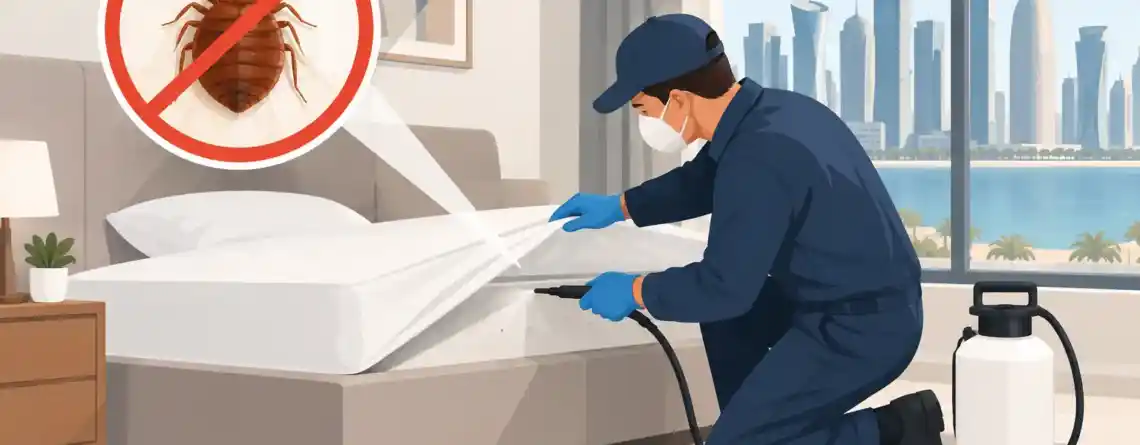
A suspected bed bug problem can make an apartment feel unlivable very quickly. Small bites, dark marks near the bed, or live insects in seams may point to activity, but none of these signs alone confirms it. Effective bed bug treatment for apartments Qatar residents can depend on begins with an inspection, a clear scope of work, and practical coordination with the tenant, landlord, or building management.
Unlike many common household pests, bed bugs do not disappear because a room has been cleaned or sprayed once. They hide in mattress stitching, bed frames, upholstered furniture, baseboards, luggage, curtains, and small gaps around the sleeping area. In apartment buildings, they may also move between units through belongings, shared walls, service penetrations, or common moving activity. The right response needs to address both the affected apartment and the risk of continued spread.
Bed Bug Treatment for Apartments Qatar Starts With Inspection
A professional inspection establishes where activity is present, how widespread it may be, and what treatment method is suitable for the apartment. This matters because a bed bug issue limited to one bed may require a different plan from activity found in several bedrooms, sofas, or adjoining units.
During an assessment, the service team should examine likely harborages rather than focusing only on the mattress. Bed frames, headboards, bedside furniture, sofa seams, skirting, wall gaps, loose wallpaper, and stored items near sleeping areas can all require attention. Signs may include live bed bugs, shed skins, eggs, pale spots, or dark fecal marks.
Residents should be cautious about moving furniture, bags, or bedding into another room before the inspection. Moving items without a plan can spread insects to new areas and make treatment more difficult. If a tenant has recently stayed in a hotel, received secondhand furniture, or moved into the apartment, sharing that information can help define the likely source and the areas that need close attention.
For rented properties, it is also sensible to notify the landlord or property manager early. Building policies, access arrangements, and the possibility of neighboring-unit checks can affect the treatment schedule.
Why Apartment Treatment Needs Building Coordination
An apartment is not a standalone environment. A well-treated bedroom can be reinfested if bed bugs remain active in a neighboring unit or if infested items are moved through shared hallways without precautions. That does not mean every reported case requires treatment across an entire building. The correct approach depends on the inspection findings, the apartment layout, reported activity nearby, and building-management procedures.
Property managers should confirm who will communicate with residents, arrange entry, and manage privacy. The goal is not to assign blame. Bed bugs can be introduced through travel, visitors, deliveries, used furnishings, or relocation, and their presence is not a sign that an apartment is dirty.
Clear communication helps avoid two common problems: residents discarding furniture too quickly and residents trying multiple uncoordinated remedies before treatment. Some furniture can be treated effectively. Other items may need disposal if they are heavily infested, damaged, or impossible to treat thoroughly. This decision should be based on condition, access, and treatment feasibility, not panic.
Preparing the Apartment Before Treatment
Preparation is one of the strongest factors in a successful bed bug service. Treatment materials and methods can only work where the technician can safely access the relevant areas. Exact instructions vary by apartment and treatment approach, so residents should follow the preparation checklist provided for their appointment.
In most cases, preparation includes these practical steps:
- Bag and handle bedding, clothing, and washable fabrics as instructed, then wash and dry them using the recommended heat settings.
- Reduce clutter around beds, sofas, and bedroom furniture so hiding places can be inspected and treated.
- Empty or organize drawers, bedside tables, and storage areas when requested, while keeping belongings contained rather than moving them throughout the home.
- Vacuum accessible floors, bed frames, and furniture seams if advised, then dispose of vacuum contents carefully in a sealed bag.
- Arrange for children, pets, and other occupants to be out of the apartment for the required period.
Residents should not apply store-bought insecticides, foggers, oils, or powders immediately before a professional visit unless specifically advised. These products may push bed bugs deeper into hiding, interfere with inspection, leave unsuitable residues, or create unnecessary exposure concerns. A treatment plan works best when the provider knows what has already been used in the apartment.
Selecting the Right Treatment Method
Professional bed bug treatment may involve targeted insecticide application, heat-based methods, physical removal, mattress or box-spring encasements, monitoring, and follow-up visits. The best choice depends on the level of activity, room size, furnishings, surface materials, access, and whether the apartment is occupied.
Targeted treatment can be appropriate when technicians can access harborages and apply products precisely to cracks, furniture joints, and other identified areas. Heat treatment can be highly effective when performed correctly, but it requires careful preparation and monitoring because household items, electronics, delicate materials, and building conditions must be considered. It may not be suitable for every apartment or every item.
No responsible provider should promise that every case is resolved with one identical procedure. Bed bug eggs and hidden insects can make follow-up necessary, particularly when the initial infestation is established or preparation was incomplete. Ask what method is proposed, which rooms and items are included, whether a return visit is expected, and what results residents should reasonably expect between appointments.
What to Confirm Before You Book
A quotation should reflect the actual property rather than a generic apartment price. Before confirming a service, describe the number of rooms, suspected locations, type of beds and furniture, visible signs, recent pest-control attempts, and whether the apartment is furnished. Also explain any access limitations, building rules, parking arrangements, security requirements, and preferred appointment times.
It is helpful to confirm whether the quoted scope includes inspection, treatment of the listed rooms, follow-up service, and aftercare instructions. Ask how the provider will protect sensitive surfaces and whether tenants need to launder fabrics or remove items before arrival. For landlords and managers, clarify who is responsible for preparation, access, tenant communication, and any recommended neighboring-unit assessment.
Hegy International approaches pest-control scheduling by discussing the property condition, affected areas, preparation requirements, and access arrangements before confirming the work. This makes it easier to establish a treatment scope that fits the apartment rather than relying on assumptions.
Aftercare and Follow-Up Matter
After treatment, residents should follow re-entry instructions and avoid deep-cleaning treated cracks, bed frames, or other specified areas too soon. Washing bedding and routine cleaning may still be necessary, but the timing matters. Keep the treatment instructions available and ask before moving furniture back, using strong cleaners near treated areas, or bringing in replacement furnishings.
Monitoring is also useful. Continue checking mattress seams, bed frames, and common resting areas for signs of activity. Seeing a bug shortly after treatment does not always mean treatment has failed, particularly if insects were hidden or eggs have hatched. Report what you observe, where you found it, and when it appeared so the provider can determine whether it is expected post-treatment activity or a sign that additional work is needed.
A well-managed bed bug response is built on accurate inspection, careful preparation, realistic follow-up, and respectful building coordination. If you suspect activity in your apartment, request a quotation only after sharing the details that shape the treatment plan. That early clarity gives everyone a better chance of resolving the issue thoroughly and with less disruption.