
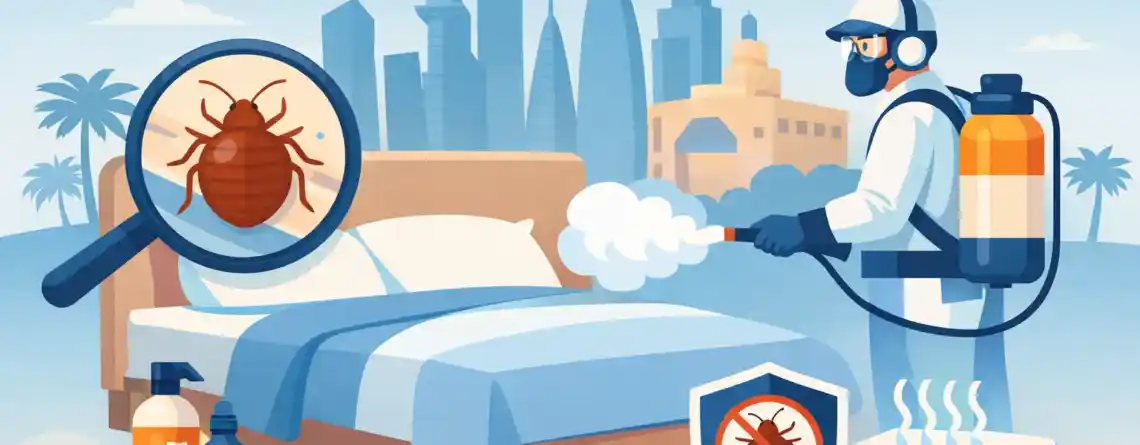
A bed bug problem can begin with one itchy night and quickly turn into a source of stress for an entire household. A professional bed bug treatment service Qatar residents and property managers can depend on does more than spray a room. It identifies where bed bugs are hiding, treats the right areas, and gives you clear preparation and follow-up guidance to help stop the infestation from returning.
Bed bugs are not a sign that a home, apartment, hotel room, or office is unclean. They can arrive in luggage, used furniture, delivery items, clothing, or personal belongings. In busy properties across Doha, Lusail, The Pearl, West Bay, Al Rayyan, Al Wakrah, and Al Khor, early action is usually the best way to limit disruption and protect your comfort.
Why Bed Bugs Need Professional Attention
Bed bugs are small, flat insects that feed mainly at night. They commonly hide close to where people sleep or rest, including mattress seams, bed frames, headboards, sofas, upholstered chairs, curtains, cracks in furniture, and behind loose wall fixtures. Because they are skilled at staying out of sight, finding a few insects does not always show the full size of the problem.
Bites may cause red, itchy marks, but bites alone cannot confirm bed bugs. Skin reactions vary from person to person, and mosquitoes, fleas, and allergies can look similar. Other signs include tiny dark spotting on bedding or furniture, pale shed skins, small blood marks on sheets, or live insects around sleeping areas.
Store-bought sprays may kill insects that are directly exposed, but they often miss eggs and hidden harborages. Using several products without a treatment plan can also drive bed bugs deeper into furniture or neighboring rooms. For apartments and multi-unit buildings, this can make control more difficult. Professional inspection and targeted treatment offer a more reliable path than repeated guesswork.
What a Bed Bug Treatment Service in Qatar Should Include
A quality service begins with a careful inspection. The technician should assess the affected bedroom, living room, or other reported area and look for signs around beds, sofas, baseboards, furniture joints, and nearby belongings. The goal is to understand where activity is present before deciding on the treatment scope.
The treatment method depends on the property, level of activity, room layout, and furniture type. A trained pest-control team may use approved, targeted products in cracks, crevices, bed frames, furniture edges, and other hiding places. Some situations may require more than one visit because bed bug eggs can survive an initial treatment and hatch later.
The best approach is not necessarily the strongest product or the fastest-looking solution. It is the correct method, applied carefully in the right locations, with proper time for monitoring and follow-up. Residents should receive straightforward instructions about when rooms can be used again, what should be cleaned, and what should be left in place so treatment remains effective.
For landlords, facility managers, and hospitality operators, documentation also matters. A clear service record can support internal maintenance planning, tenant communication, and follow-up scheduling. If multiple rooms or units are affected, the provider should explain whether adjacent spaces need inspection rather than treating one room in isolation.
Preparing Your Home Before Treatment
Preparation helps a treatment reach the places bed bugs use for shelter. Your service provider should give property-specific instructions, but the aim is usually to reduce clutter, make access easier, and prevent items from spreading insects to another room.
Start by placing bedding, clothing, and washable fabric items from the affected area into sealed bags before moving them. Wash and dry them according to the care label, using heat where the fabric allows. Keep cleaned items sealed or separated until the technician advises that they can be returned.
Avoid moving mattresses, sofas, suitcases, or loose belongings into a different bedroom before inspection. This can transfer bed bugs to a new location. Vacuuming can help remove visible debris, but empty the vacuum contents into a sealed bag and dispose of it outside the property right away. Do not apply aerosol sprays, bleach, kerosene, or unknown chemicals before a professional visit. These products can be unsafe, damage surfaces, and interfere with the treatment plan.
Pets, children, older adults, and anyone with respiratory concerns deserve special consideration. Tell the service team about occupants, medical sensitivities, aquariums, and pet areas before work begins. A responsible provider will explain practical safety steps and re-entry timing based on the treatment used.
What Happens After Treatment
Many people expect bed bugs to disappear immediately after a visit. While treatment starts the control process, it is normal to remain watchful for a period afterward. Bed bugs may emerge from hiding places after treatment, and eggs that were already present may hatch. This is why follow-up inspections or scheduled repeat treatment can be necessary.
Continue to use the bed or sleeping area unless the technician gives different instructions. Moving to another room can give bed bugs a new food source and expand the affected area. Keep beds slightly separated from walls when practical, avoid allowing blankets to touch the floor, and reduce items stored beneath beds.
Do not deep-clean treated cracks, furniture joints, or baseboards immediately unless advised to do so. Removing products too soon may reduce their residual effect. You can usually maintain routine hygiene in other parts of the home, but follow the technician’s instructions closely for treated rooms and surfaces.
A mattress encasement may be useful in some cases, particularly when a mattress is in good condition and does not need replacement. It can trap bed bugs already inside and reduce future hiding places. However, an encasement is not a substitute for a full inspection and treatment plan.
Choosing the Right Service Provider
A bed bug issue is urgent, but choosing the first available option without asking questions can lead to unnecessary repeat visits and added cost. Look for a Qatar-based provider that can explain the treatment process in plain language, inspect before making broad claims, and provide clear pricing based on the property and scope of work.
Ask whether follow-up is included or recommended, how the team protects residents and pets, and what preparation is required. It is also reasonable to ask whether the provider handles apartments, villas, staff accommodations, offices, hotels, and commercial properties. Different environments need different access plans and scheduling considerations.
For a tenant, prompt reporting to the landlord or building management can be important, especially if there is a possibility of spread between units. For property owners, fast professional action can help protect furnishings, reduce vacancy concerns, and keep a small issue from becoming a larger maintenance problem.
Hegy International provides professional pest-control support alongside cleaning and property maintenance services, helping customers coordinate practical care for homes, apartments, villas, and workplaces. The right service should feel organized from the first call: clear scheduling, trained technicians, the necessary equipment, and guidance that does not leave you guessing what to do next.
Common Questions About Bed Bug Treatment
Can I stay in my home during bed bug treatment?
It depends on the treatment method and the rooms being treated. Your technician should provide specific re-entry instructions before work starts. In many cases, occupants need to stay out of treated areas for a defined period, while in other situations the property may need to be vacant during service.
Do bed bugs live only in mattresses?
No. Mattresses are a common location because they are close to people while they sleep, but bed bugs can hide in bed frames, sofas, wardrobes, curtains, carpeting edges, electrical outlets, and cracks around the room. Treating only the mattress rarely solves the issue.
How many visits are needed?
It depends on the size of the infestation, the number of affected rooms, the type of furniture, and how well preparation steps are completed. A follow-up visit is often part of effective bed bug management because eggs may hatch after the initial treatment.
Should I throw away my mattress or sofa?
Not automatically. Many mattresses and upholstered items can be treated and retained if they are in usable condition. Disposal may be considered when an item is heavily damaged, cannot be treated properly, or poses a risk of spreading insects during removal. Get professional advice before discarding expensive furniture.
A bed bug concern is easier to handle when you act early, keep belongings contained, and work with a provider that gives you a clear plan. A calm, well-organized response can restore the comfort of your home or workplace without turning a manageable problem into a longer disruption.