
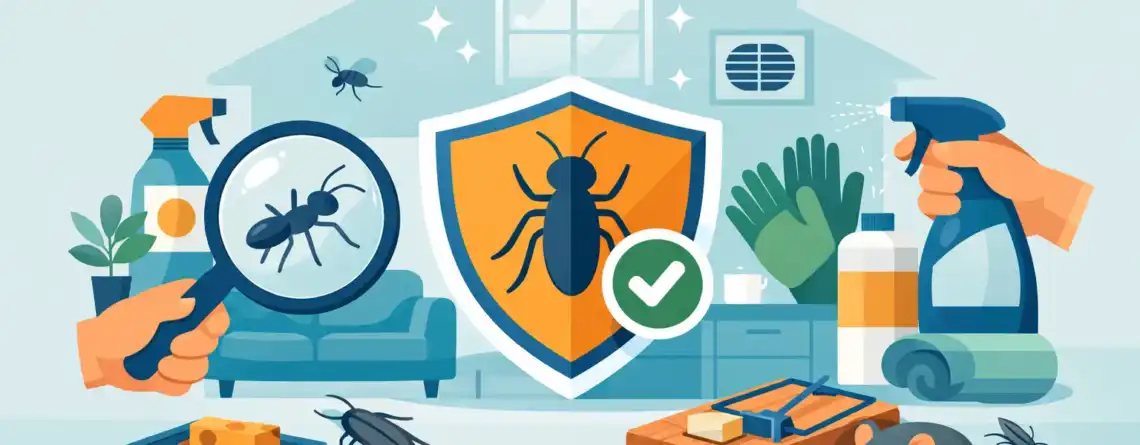
That trail of ants near the sink or the sudden roach sighting under the fridge usually starts long before you notice it. The best pest prevention tips indoors are not complicated, but they do depend on consistency. A clean-looking home or office can still offer pests exactly what they want – food, water, warmth, and hiding spots.
For homes, apartments, villas, and workplaces, prevention is almost always easier and less expensive than treatment after an infestation spreads. The goal is to make your indoor space hard to access, hard to feed from, and hard to hide in. When that happens, most common pests move on.
Why indoor pest problems start in the first place
Most indoor pest issues are not caused by one major mistake. They usually come from a few small habits that add up over time. A dripping pipe under the sink, crumbs behind the toaster, cardboard boxes stored for months, or a gap under the door can be enough to attract pests and help them settle in.
In warm climates, this matters even more because pests stay active for longer periods of the year. Cockroaches, ants, flies, rodents, and even bedbugs can take advantage of indoor comfort very quickly. That is why prevention needs to focus on daily conditions, not just emergency sprays or occasional cleaning.
Best pest prevention tips indoors that actually work
1. Cut off food sources first
If pests find food, they will keep returning. This is true even in spaces that look tidy on the surface. Tiny grease splashes near the stove, unsealed snacks in cupboards, pet food left out overnight, and sugary spills under appliances are all common triggers.
Store dry goods in sealed containers instead of soft packaging whenever possible. Wipe counters at the end of the day, especially around cooking areas, and sweep under dining tables and kitchen units regularly. In offices and commercial spaces, break rooms and desk drawers are common problem areas because crumbs collect where people do not always notice them.
2. Remove indoor water sources
Many pests need water more urgently than food. Cockroaches, silverfish, and rodents often stay close to moisture, which means your bathrooms, kitchens, laundry areas, and AC-related damp spots deserve extra attention.
Fix leaking taps, pipes, and under-sink drips quickly. Do not let water sit in trays, buckets, mop sinks, or plant saucers for long periods. If you notice condensation, musty smells, or damp cabinet interiors, deal with them early. Moisture control is one of the most overlooked pest prevention steps indoors, but it has a major impact.
3. Seal entry points before pests use them
A spotless property can still get pests if access points are left open. Small gaps around doors, utility lines, window frames, vents, and floor drains are enough for insects and rodents to enter.
Check door sweeps, window screens, and edges where pipes pass through walls. Seal cracks and crevices where practical, especially in kitchens, storage rooms, and service areas. In apartment buildings and commercial properties, pests can travel between units, so shared walls and utility openings matter just as much as exterior gaps.
Cleaning matters, but targeted cleaning matters more
General cleaning helps, but pest prevention improves when cleaning is focused on high-risk zones. Kitchens are obvious, but pests also favor neglected corners, furniture edges, storerooms, false ceilings, and the spaces behind heavy appliances.
Focus on hidden areas, not just visible surfaces
A room can look spotless and still support pest activity. Roaches, for example, prefer dark, tight areas near heat and moisture. That means behind refrigerators, under dishwashers, inside cabinet hinges, and around garbage storage zones.
Deep cleaning on a regular schedule reduces grease buildup, food residue, and dust that can support insects. In commercial settings such as offices, clinics, schools, and restaurants, routine deep cleaning is often what separates a temporary fix from lasting control.
Manage trash the right way
Trash gives pests both food and shelter. Indoor bins should be emptied regularly and fitted with lids that close properly. Garbage areas should be cleaned, not just emptied, because spilled liquids and residue at the bottom of bins continue to attract pests.
For businesses, timing matters. If waste sits indoors overnight or near entrances, it increases the chance of pest activity spreading inside. A clean waste process is not just about appearance. It is part of pest prevention.
Storage habits can attract or prevent infestations
Clutter creates hiding places and makes inspection harder. This is one reason pests often go unnoticed until the problem becomes larger.
Avoid long-term cardboard storage
Cardboard is a favorite shelter for many pests. It holds warmth, offers cover, and is often left untouched for long periods. If you are storing household items, files, stock, or supplies, plastic bins with secure lids are usually a better option.
This matters in homes, offices, storerooms, and back-of-house business areas. The more organized the storage, the easier it is to spot early signs such as droppings, shed skins, bite marks, or nesting material.
Keep items off the floor where possible
When storage boxes, linens, papers, or supplies sit directly on the floor, pests have easier access and fewer disturbances. Elevating stored items slightly makes cleaning easier and reduces hidden harborage.
It also helps with inspection. You do not need a full pest treatment plan to notice the early warning signs if the area is accessible and not overcrowded.
The best pest prevention tips indoors for kitchens and bathrooms
These are the two most common indoor pest zones because they combine food, water, warmth, and regular human activity.
In kitchens, pay close attention to sink plumbing, cabinet corners, the area behind the stove, and any spot where dry goods are stored. Do not leave dirty dishes overnight if you can avoid it, and clean grease from backsplashes, extractor areas, and appliance sides. Even a small film of oil can attract roaches over time.
In bathrooms, reduce standing water, clean drains, and inspect areas around toilets, vanities, and floor edges. If you store extra paper products, towels, or cosmetics in crowded cabinets, organize them so air can circulate and inspection is easier. Bathrooms are often ignored because there is no obvious food source, but moisture alone can sustain certain pests.
When prevention at home is not enough
Sometimes people do the right things and still keep seeing pests. That usually means one of three things: the infestation has already spread, pests are entering from neighboring units or shared building systems, or there is a hidden source you cannot easily reach.
That is when professional inspection becomes valuable. A trained team can identify activity patterns, nesting areas, entry routes, and conditions that are easy to miss during routine cleaning. For families and businesses that want child-safe and pet-safe solutions, this also helps avoid overusing store-bought products that may not solve the root issue.
In Doha, where heat and building density can increase pest pressure, recurring service is often the practical choice for larger homes, busy offices, restaurants, and shared residential properties. A prevention-focused service plan is usually more reliable than waiting for a visible outbreak.
Signs you should not ignore
If you notice droppings, gnaw marks, foul odors, insect skins, egg cases, grease trails, or recurring bites, treat them as early warnings. Seeing one pest does not always mean a serious infestation, but repeated sightings often point to hidden activity nearby.
The same applies if pests appear mostly at night, around drains, or after cleaning. That can mean they are nesting deeper inside walls, cabinets, or service voids. At that stage, prevention habits still matter, but they may need to be paired with professional control.
A dependable provider such as Hegy International can help when routine cleaning and DIY steps are no longer enough, especially for cockroaches, ants, bedbugs, termites, and rodents that require targeted treatment.
Make prevention part of your routine
The most effective indoor pest control habit is not a spray. It is a routine. Clean where pests feed, dry where they drink, seal where they enter, and organize where they hide. None of these steps are difficult on their own, but together they make your property far less inviting.
A pest-free indoor space is really the result of small, steady decisions. When those decisions become part of how you manage your home or workplace, problems are easier to prevent and much harder for pests to turn into something bigger.