
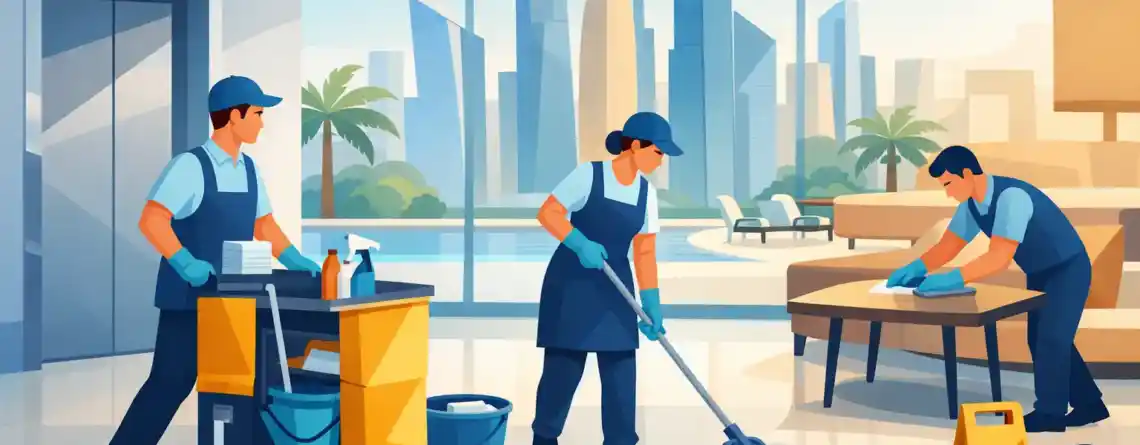
A spotless lobby can quickly lose its impact when elevator buttons are smudged, hallway corners collect dust, or bins overflow before the end of the day. For residential and commercial properties, common area cleaning services Qatar residents and managers can depend on are not a cosmetic extra. They protect hygiene, support tenant satisfaction, and help every visitor feel that the property is being managed responsibly.
Shared spaces receive traffic from residents, guests, delivery teams, contractors, and staff. Unlike a private apartment or office, no one person owns the daily responsibility for keeping them clean. A professional cleaning plan closes that gap with trained teams, proper equipment, safe products, and a schedule designed around how the building is actually used.
Why Common Areas Need a Professional Standard
Common areas shape the first and last impression of a property. In an apartment building, the entrance, reception area, corridors, elevators, stairwells, parking access points, and waste rooms are seen every day. In offices, shared washrooms, break areas, meeting rooms, and reception spaces directly affect staff comfort and client confidence.
Cleaning these areas requires more than a quick sweep. High-touch surfaces need regular disinfection, floors need the right treatment for their material, and hard-to-reach spaces need attention before dirt becomes embedded. In Qatar’s dusty climate, entrances and corridors can quickly show sand, footprints, and airborne dust. Without consistent maintenance, a clean building can begin to look neglected within days.
The right service also supports safety. Wet floors, cluttered walkways, unpleasant odors, and poorly maintained waste areas can create avoidable complaints and risks. Routine cleaning keeps shared spaces orderly while helping property teams spot issues such as leaks, damaged flooring, pest activity, or overflowing bins early.
Common Area Cleaning Services in Qatar: What Should Be Included
A reliable scope of work should reflect the property type, visitor volume, and the condition of each shared space. A small residential building may need several visits a week, while a busy tower, retail site, or office may require daily cleaning and ongoing attendant support.
A complete common-area service often covers the following work:
- Sweeping, vacuuming, mopping, and machine cleaning for entrances, lobbies, hallways, stairwells, and shared floors
- Dusting and wiping of handrails, door handles, lift panels, reception counters, switches, and other frequently touched surfaces
- Cleaning and sanitizing common washrooms, including fixtures, mirrors, dispensers, floors, and waste bins
- Maintaining elevators, parking areas, garbage rooms, service corridors, and building entrances
- Periodic deep cleaning for carpets, upholstered seating, glass partitions, floor edges, and areas affected by heavy traffic
The details matter. Marble, tile, vinyl, concrete, carpet, and natural stone each need a suitable method and product. Using the wrong chemical can leave streaks, create slippery surfaces, dull finishes, or damage flooring over time. Professional teams assess the surface before selecting cleaning materials and equipment.
Build the Schedule Around Foot Traffic
There is no single schedule that fits every property. A residential tower in The Pearl may need early-morning lobby cleaning and frequent elevator checks. An office in West Bay may need its highest level of attention before employees arrive, after lunch, and at the close of business. Retail areas and medical-related facilities often require more frequent disinfection due to constant public contact.
For lower-traffic properties, scheduled cleaning two or three times per week may be sufficient for corridors and stairs, with washrooms handled more often. High-traffic buildings generally benefit from daily service, including multiple washroom checks and immediate attention to spills or visibly soiled areas.
It also helps to separate routine cleaning from planned deep cleaning. Daily visits maintain appearance and hygiene, while monthly or quarterly deep cleaning addresses buildup in corners, grout lines, carpet fibers, upholstery, and high-level surfaces. This approach is usually more cost-effective than waiting until the property needs a major recovery clean.
Flexible scheduling is especially valuable for occupied properties. Cleaning can be arranged around school runs, office hours, visitor peaks, events, tenant move-ins, or maintenance work. The goal is to keep standards high without disrupting residents, staff, or customers.
Hygiene Requires Attention to High-Touch Points
Floors may be the most visible part of common area maintenance, but the surfaces people touch deserve equal attention. Lift buttons, door handles, intercoms, handrails, reception counters, shared tables, and washroom fixtures can accumulate fingerprints and contaminants throughout the day.
A professional cleaning routine identifies these points and includes them in each visit. This is particularly relevant in buildings with children, elderly residents, frequent guests, or public-facing business operations. Safe, appropriate cleaning products should be used according to the surface and the occupancy of the area.
Washrooms require a separate standard. They need more than a general wipe-down. Teams should clean fixtures thoroughly, replenish consumables when included in the service agreement, manage odors, disinfect touchpoints, and keep floors dry and presentable. A poorly maintained shared washroom can undermine the reputation of an otherwise well-kept building.
Cleaning and Pest Prevention Work Better Together
Waste rooms, utility spaces, parking areas, and food-related common areas can attract cockroaches, ants, rodents, and flies when cleaning is inconsistent. Food residue, standing water, open bins, and clutter give pests the conditions they need to thrive.
Regular cleaning reduces these attractants, but it does not replace professional pest control when there is an active issue. If pest signs appear, a targeted treatment plan and ongoing sanitation should work together. Cleaning teams can keep access areas clear and waste zones maintained, while approved pest-control treatments address the source of the problem.
This combined approach is particularly useful for apartment buildings, compounds, offices with pantry areas, restaurants, retail spaces, and properties preparing for tenant handover. It protects the appearance of the property while helping prevent recurring complaints.
What Property Managers Should Expect From a Cleaning Provider
A dependable provider should arrive on time, bring the required equipment and supplies, and work to a clear checklist. Communication matters just as much as visible results. Property managers need a team that can report concerns, respond to urgent needs, and adjust the service plan when occupancy or building use changes.
Before starting a contract, clarify the cleaning frequency, areas included, working hours, supply responsibilities, deep-cleaning intervals, and how emergency requests are handled. Transparent pricing is easier to manage when the scope is specific. A low initial quote may not be the best value if it excludes washroom cleaning, consumables, equipment, parking areas, or periodic deep cleaning.
Hegy International provides cleaning support for residential, commercial, and industrial properties across Doha, Lusail, The Pearl, West Bay, Al Rayyan, Al Wakrah, and surrounding communities. Trained teams can support recurring maintenance, one-time deep cleaning, post-renovation work, and property handover requirements based on the condition and use of the site.
A Simple Way to Get Started
Start with a property assessment. Identify the shared spaces, peak usage periods, visible problem areas, and any hygiene or pest concerns. This gives the cleaning team the information needed to recommend a practical scope rather than a generic package.
Next, agree on a schedule that matches the building’s daily rhythm. Confirm what will be completed during every visit and what will be handled as periodic deep cleaning. Finally, review the results regularly during the first few weeks. Small adjustments to visit timing or task frequency can make a major difference in tenant and visitor experience.
A well-maintained common area tells residents, employees, and guests that their comfort matters. Set a cleaning standard that fits your property now, then keep it consistent enough that no one has to notice the work being done – only the clean, safe space it leaves behind.