
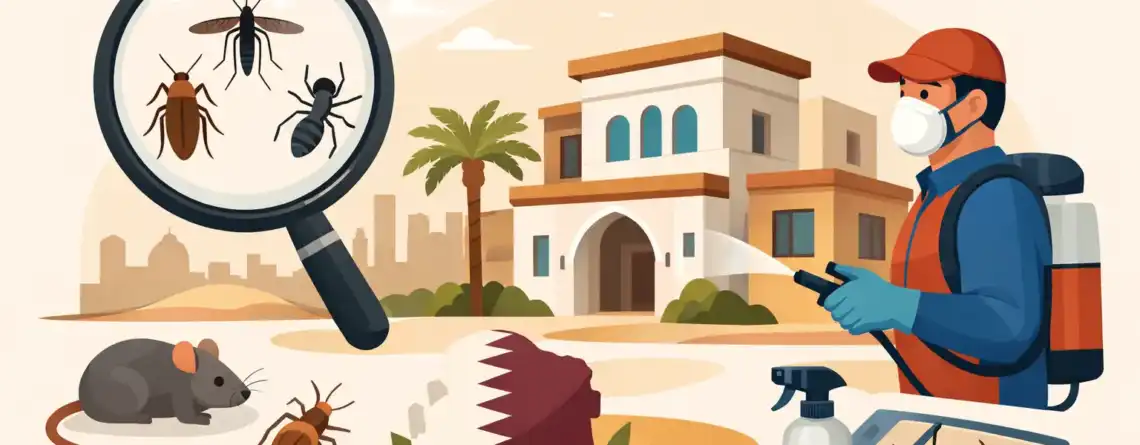
A cockroach running across a kitchen counter before breakfast, rodent droppings in an office storeroom, or fresh termite damage near a villa doorframe can turn a routine maintenance issue into an urgent property concern. This emergency pest response guide explains what to do in the first hours, how to reduce risk without spreading the problem, and when professional treatment is the safest next step for properties across Qatar.
First, Decide Whether It Is a Pest Emergency
Not every sighting requires an immediate callout. One ant near a window may simply be looking for food. But fast action is justified when pests threaten health, food safety, business operations, guests, or the building itself. The priority is different for a family apartment in The Pearl, a restaurant kitchen in Doha, and a warehouse in Al Wakrah, but the principle is the same: contain the issue early and avoid risky shortcuts.
Treat the situation as urgent when you see repeated pest activity in occupied rooms, bites or signs of bed bugs, rodents near food or electrical wiring, swarming insects, a wasp or bee nest in a high-traffic area, cockroaches in kitchens or bathrooms, or visible termite damage. A sudden increase in mosquitoes around standing water can also require prompt attention, especially where children, outdoor staff, or customers use the area.
For commercial spaces, urgency may also be operational. A pest sighting in food preparation, retail stock, staff areas, or a customer-facing reception can affect hygiene standards and reputation long before the infestation becomes large.
Protect People Before You Protect the Property
The first response should be calm and practical. Keep children, pets, visitors, and unprotected staff away from the affected area. If anyone has been stung, bitten, or exposed to an unknown substance, follow appropriate medical guidance before focusing on pest removal.
Do not spray a large amount of household pesticide into a closed room, behind appliances, or near food. Strong odors and unnecessary chemical exposure can create a second problem, particularly in apartments with limited ventilation. Mixing products is never safe, and foggers or smoke treatments can drive pests deeper into walls, cabinets, and neighboring units rather than resolving the source.
If you find rodents, avoid touching droppings or nesting material with bare hands. Do not sweep or vacuum dry droppings, as that can disturb contaminated dust. Ventilate the area if possible, wear gloves, and keep the space closed until it can be cleaned correctly.
With bed bugs, resist the urge to move bedding, clothes, or furniture into hallways, cars, or another bedroom. That often spreads the infestation. Keep the affected room in use only when necessary, place washable fabrics in sealed bags, and wait for a clear treatment plan.
Contain the Pest Without Making It Worse
A short containment effort can make professional treatment more effective. Start by removing the things pests need most: accessible food, water, shelter, and easy entry points. Put food in sealed containers, empty indoor bins, wipe food residue from counters, and do not leave pet food out overnight. Repairing a leaking pipe or removing water from a tray under an air-conditioning unit can be as important as the treatment itself.
For a cockroach problem, clean grease and crumbs from kitchen surfaces, behind appliances, and inside cabinets where practical. Avoid relocating appliances or dismantling cabinets if you suspect a heavy infestation. A trained technician needs to see the activity areas and nesting conditions.
For ants, clean the trail with soap and water after removing food sources. Killing visible ants alone rarely solves the problem because the colony may be outside, under paving, or inside wall voids. In Qatar’s heat, ants may enter homes and offices looking for moisture as well as food.
For rodents, close obvious gaps around doors, pipe openings, floor drains, and service penetrations where safe to do so. Do not block a hole if you believe rodents are trapped inside a wall or ceiling, as they may find another route through the property. Professionals can assess likely entry points and recommend exclusion work after activity is controlled.
For termites, avoid disturbing damaged wood, pulling up flooring, or applying paint over affected areas. Termite activity can be hidden, and cosmetic repairs before inspection may conceal important evidence. Keep the area dry and arrange an assessment quickly, especially in villas, ground-floor properties, and buildings with timber fixtures.
Capture Useful Evidence for the Pest-Control Team
You do not need to identify every insect perfectly. Clear information is more valuable than a guess. Take a photo or short video from a safe distance, record where and when you saw the pest, and note whether activity happens mainly at night, near water, around food, or after cleaning.
For property managers and office administrators, ask staff not to discard evidence such as a damaged carton, gnawed packaging, or insect specimen before it is documented. A simple record can help identify whether the problem is isolated or linked to deliveries, waste handling, building maintenance, or a neighboring unit.
When booking an emergency response, be ready to explain the pest type if known, the affected rooms, the scale of activity, whether children or pets are present, and any recent treatments already used. Mention food-service areas, sensitive equipment, or tenant access requirements. This allows the team to arrive with suitable materials and a safer plan.
What Professional Emergency Treatment Should Include
A reliable emergency visit is not just a quick spray. It should begin with an inspection of activity zones, entry points, harborages, sanitation conditions, and factors that may allow the infestation to return. The right method depends on the pest, property type, severity, and whether the location is residential, commercial, or industrial.
Targeted cockroach treatment may involve gel baiting, crack-and-crevice application, and follow-up monitoring rather than broad surface spraying. Bed bug control often requires a room-by-room approach, preparation guidance, and repeat visits because eggs can survive an initial treatment. Rodent control can include traps, monitoring stations, safe bait placement where appropriate, and proofing recommendations.
Termite management requires particular care. The goal is to identify the extent of activity, protect structural elements, and select a treatment method suited to the construction and access conditions. For export cargo or commercial stock, fumigation requirements and handling procedures may be different from standard residential pest control.
Ask what preparation is required, whether you need to leave the area during treatment, how long to wait before re-entry, and whether follow-up service is recommended. Clear instructions protect your household, staff, and customers while improving results.
After Treatment, Prevent the Next Emergency
Emergency treatment addresses active pests, but prevention protects the investment. Schedule follow-up visits when advised, especially for cockroaches, bed bugs, rodents, and termites. Continue the cleaning and maintenance changes that removed food, water, and hiding places in the first place.
In apartments, report recurring issues around shared ducts, garbage rooms, plumbing risers, or neighboring units to building management. One unit can be treated successfully, but pests may return through shared access routes if the wider issue is not addressed. In offices and shops, review delivery areas, waste collection schedules, pantry cleaning, and stock rotation.
Regular deep cleaning also matters. Grease buildup, cluttered storage, neglected upholstery, and debris behind equipment can create ideal harborage areas. For homes, offices, villas, and commercial properties, combining routine cleaning with planned pest maintenance is often more affordable and less disruptive than repeated emergency callouts.
Hegy International provides targeted pest-control support alongside professional cleaning services, helping customers across Doha, Lusail, West Bay, Al Rayyan, Al Wakrah, Al Khor, and nearby communities address both the active issue and the conditions that support it.
When to Book Emergency Pest Control in Qatar
Book promptly if you have multiple sightings, evidence of nesting or breeding, unexplained bites, food contamination concerns, damage to wiring or wood, or a pest issue affecting tenants, staff, customers, or guests. Speed matters, but so does using approved treatments applied by trained professionals who can assess the property correctly.
The best emergency response is not panic or overuse of chemicals. It is a quick, controlled decision: protect people, contain the area, document the signs, and bring in capable help before a small pest problem becomes a larger interruption to your home or business.