
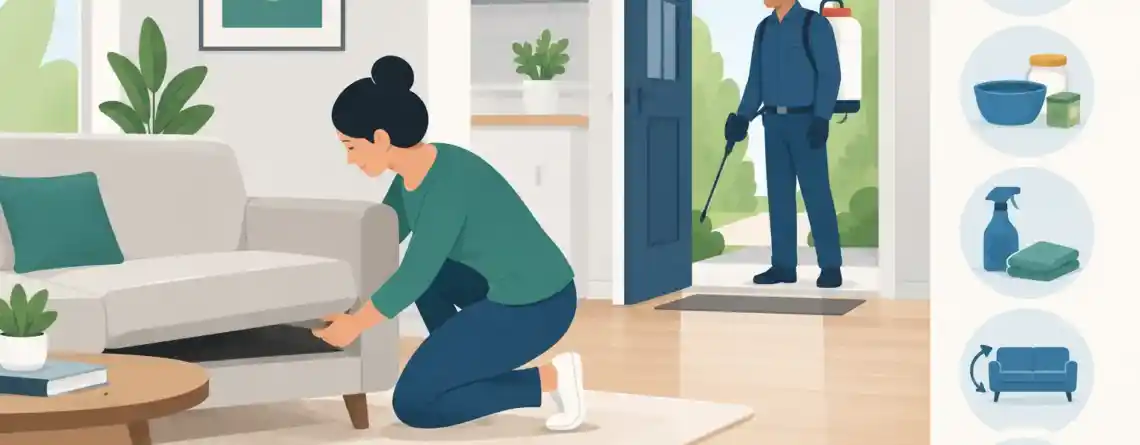
A pest treatment works best when the technician can reach the areas where pests travel, feed, nest, or enter the property. Knowing how to prepare for pest control treatment helps protect food, pets, belongings, and the treatment schedule while giving the service team the access needed to complete the work properly.
Preparation is not identical for every property. A cockroach treatment in a kitchen, a bed bug treatment in a bedroom, and a rodent-control visit in a warehouse each require different steps. Before the appointment, confirm the pest activity, affected rooms, property type, and any instructions provided for the specific treatment.
Confirm the Treatment Scope Before You Prepare
Start by discussing what has been seen, where it has been seen, and how often activity occurs. Note details such as small insects around drains, droppings inside cabinets, bites after sleeping, damaged food packaging, or noises above a ceiling. This helps the pest-control team decide whether the visit involves inspection, targeted treatment, monitoring, exclusion work, or a broader treatment plan.
Ask what areas are included in the appointment and whether there are any restrictions related to children, pets, food-preparation spaces, aquariums, sensitive materials, or business operations. If you manage a villa, apartment building, office, restaurant, shop, or storage facility, identify the rooms that must remain accessible and the times when treatment can take place with minimal disruption.
Do not assume a general spray is the answer to every problem. Some situations require baiting, traps, gel applications, crack-and-crevice treatment, or follow-up inspections. The preparation instructions should match the method being used. If the technician provides instructions that differ from general advice, follow the technician’s instructions.
Clear Access to Active and High-Risk Areas
Pests often hide where cleaning is difficult and daily traffic is low: behind refrigerators, under sinks, inside cabinet corners, around pipe openings, beneath furniture, and in utility rooms. Clear reasonable access to these locations before the scheduled arrival.
In kitchens, remove loose items from under-sink cabinets and open up the floor space near major appliances where possible. In bathrooms, make room around plumbing, floor drains, and vanity units. For bedroom-related treatments, the team may need access around beds, headboards, wardrobes, baseboards, and upholstered furniture.
There is no need to empty an entire home unless you have been asked to do so. Over-clearing can create unnecessary work and may move pests from one area to another. Focus on the affected rooms and the likely travel routes. If furniture is very heavy or fixed in place, tell the team in advance rather than attempting to move it unsafely.
For commercial properties, arrange access to back-of-house areas, electrical or utility rooms, storage spaces, loading areas, garbage rooms, false ceilings, and staff pantries when relevant. Assign a responsible contact who can open secured areas and answer operational questions during the visit.
Store Food, Utensils, and Personal Items Safely
Food and food-contact items should be protected before treatment, especially in kitchens, pantries, break rooms, and dining areas. Place exposed food, spices, fruit, pet food, and cooking utensils in sealed containers or remove them from the treatment area. Cover or store dishes, cups, cutting boards, and small countertop appliances according to the preparation guidance you receive.
Wipe food residue from counters and clean up spills, crumbs, and grease buildup. This is not simply a housekeeping step. Reliable food sources can make cockroach, ant, and rodent activity harder to control. Empty indoor garbage and place waste in a covered outside bin before the appointment where practical.
Put away toothbrushes, cosmetics, medications, children’s toys, and loose personal items in bathrooms and bedrooms. In offices, protect refreshments, disposable cups, documents, and sensitive equipment. Where treatments are planned near electronics or specialized equipment, mention this during service scoping so the application approach can be considered.
Prepare Children, Pets, and Sensitive Occupants
Children and pets should not be present in treatment areas unless the technician confirms that it is appropriate. Plan for them to stay elsewhere for the required period, and ask when it is safe to return. Re-entry timing depends on the product, application method, ventilation, and the surfaces treated.
Remove pet bowls, bedding, toys, and litter trays from affected spaces. Keep pets away from traps, bait stations, and treated zones after the visit. Aquariums need particular attention because airborne products and surface contamination can affect fish. Tell the pest-control provider about any aquarium before treatment and follow the specific protection instructions given.
If someone in the property has asthma, chemical sensitivities, a respiratory condition, or other health concerns, communicate this before confirming the appointment. The service team can explain the proposed approach and any preparation or ventilation requirements. Clear information before treatment is safer than last-minute changes at the door.
Clean Strategically, Not Excessively
A basic clean before pest control is helpful because it removes crumbs, grease, clutter, and waste that support pest activity. Vacuum floors, clean food-preparation surfaces, and address standing water around sinks, drains, or air-conditioning areas. In Qatar’s warmer conditions, moisture around plumbing and utility spaces can support cockroaches and other pests even in otherwise clean properties.
However, avoid deep-cleaning the exact areas immediately after treatment unless instructed to do so. Wiping baseboards, cracks, cabinet corners, or bait placements too soon can remove the treatment before it has time to work. Ask which surfaces can be cleaned, which must remain untouched, and when normal cleaning may resume.
For bed bug concerns, do not move bedding, bags, clothing, or furniture from the affected room into another room without guidance. That can spread the issue. Bag laundry securely, wash and dry items at the temperatures recommended by the treatment provider, and keep cleaned items separate until the treatment plan is complete.
Make the Property Ready for the Appointment
Ensure the technician can enter at the agreed time. Share parking details, building access procedures, elevator requirements, security approvals, and unit numbers before the visit. In apartment towers and commercial buildings, delays at reception or restricted access to service areas can reduce the available treatment time.
Open interior doors to rooms included in the scope, and make sure water and electricity are available if needed. Report any leaks, damaged cabinets, loose flooring, blocked drains, or wall gaps that may affect pest activity. Treatment controls the current problem, but repairs and sanitation measures often reduce the chance of pests returning.
For landlords, tenants, and property managers, confirm who is responsible for preparation and who will be present. If a tenant cannot attend, arrange keys and written access permission through the correct building process. A clear handover avoids missed treatment areas and confusion about aftercare.
What to Do After Pest Control Treatment
When the work is complete, ask the technician what was treated, where monitoring devices or bait stations were placed, and when follow-up may be needed. Keep children and pets out of the relevant areas for the stated re-entry period. Ventilate the property only if advised, since requirements vary by treatment type.
You may still see pests after treatment. In some cases, activity becomes more noticeable for a short period as pests leave hiding places or encounter bait. This does not automatically mean the treatment has failed. Record what you see, including the location and date, and report persistent or increased activity according to the follow-up plan.
Do not relocate or discard monitoring devices, traps, or bait stations without asking. They provide useful evidence about where activity continues and whether additional action is required. Continue good waste management, keep food sealed, reduce moisture, and close obvious entry points where possible.
Questions to Ask Before Booking
Before confirming a pest-control appointment, make sure you understand the property-specific arrangements. Ask whether you need to leave the premises, how long re-entry will take, what needs to be removed or covered, and whether a second visit is expected. Also clarify whether the quotation covers inspection, treatment, materials, monitoring, and follow-up work.
Hegy International can help residential and commercial customers in Qatar define the affected areas, access requirements, preparation steps, and scheduling needs before treatment begins. A detailed scope makes the appointment more efficient and helps prevent avoidable disruption.
The most useful preparation is simple: give accurate information, create safe access, protect food and personal items, and follow the aftercare instructions for your specific treatment. That gives the pest-control team the right conditions to address the issue with care and precision.