
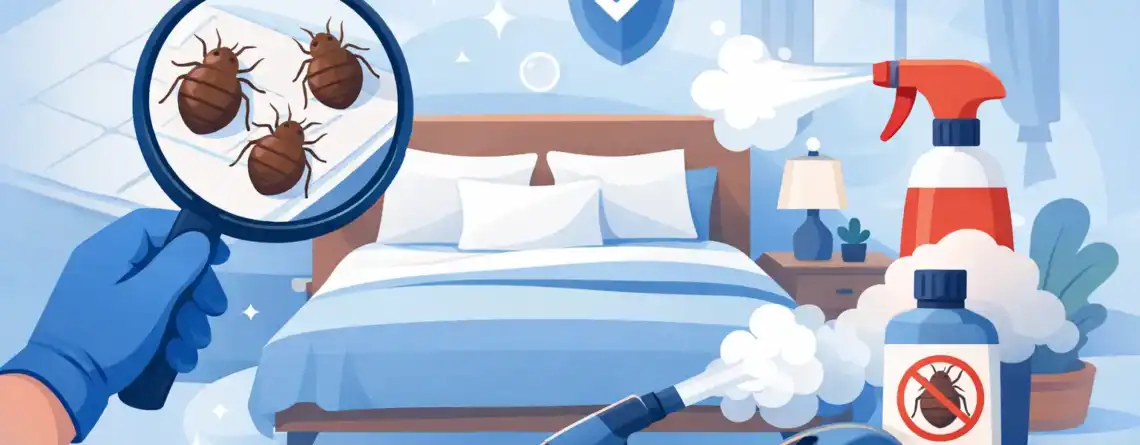
Waking up with itchy bites is bad enough. Finding tiny stains on your sheets or spotting bugs around the mattress seam makes it worse fast. If you are searching for how to remove bed bugs, the biggest mistake is treating only what you can see. Bed bugs hide deep in cracks, furniture joints, bed frames, and soft furnishings, so real control takes a complete approach.
Bed bugs are stubborn, but they are not impossible to eliminate. The right plan combines inspection, isolation, heat, cleaning, and targeted treatment. If the infestation is small and caught early, some cases can be reduced with careful action. If it has spread across bedrooms, sofas, or multiple units, professional pest control is usually the faster and more reliable option.
How to remove bed bugs without making the problem worse
The first step is to stay calm and avoid moving infested items around the property. Bed bugs spread easily when bedding, clothing, cushions, or furniture are carried from one room to another. Many people also spray random insect products on beds and sofas, which can push the bugs deeper into hiding instead of solving the issue.
Start by confirming where the activity is. Check mattress piping, bed frames, headboards, side tables, curtain folds, sofa seams, and the edges of carpets. Look for live bugs, shed skins, tiny white eggs, and dark rust-colored spotting. In apartments, shared walls and adjacent rooms matter too, because bed bugs can travel.
Once you know the main hotspots, reduce clutter. Stacks of clothes, cardboard, and loose items create extra hiding places and make treatment less effective. Place washable fabrics in sealed bags before taking them to the laundry area. That one step helps contain the infestation while you clean.
Wash, heat, and contain
Heat is one of the most effective tools against bed bugs. Wash bedding, pillow covers, blankets, clothing, and other machine-safe fabrics in hot water when the material allows it. Then dry everything on high heat long enough to kill both bugs and eggs. After drying, store clean items in sealed bags or clean containers so they do not get reinfested.
For items that cannot be washed, a dryer cycle on suitable heat can still help. Delicate materials are different, so always check fabric limits first. If something is heavily infested and low value, disposal may be more practical than repeated treatment. If you throw an item away, seal it properly and label it so nobody else brings it inside.
Mattresses do not usually need to be discarded right away. In many cases, they can be treated and then protected with a bed bug-proof encasement. The same goes for box springs if they are structurally sound. Throwing out the bed too early often adds expense without fixing the source.
Vacuuming matters more than most people think
A slow, detailed vacuuming session removes a surprising number of bed bugs and eggs, especially from seams and edges. Use the crevice tool around mattress piping, bed frames, skirting boards, sofa seams, carpet edges, and furniture joints. Vacuuming will not eliminate the infestation on its own, but it lowers the population and improves the effect of follow-up treatment.
After vacuuming, empty the contents immediately into a sealed bag and place it in an outdoor bin. If your vacuum uses a canister, wash or clean it thoroughly. If you skip this part, you risk bringing the insects right back into the room.
How to remove bed bugs from mattresses and furniture
The safest approach for sleeping areas is mechanical cleaning first, then approved treatment where needed. Do not soak your mattress with over-the-counter sprays. People sleep there for hours every night, so product safety and correct application matter.
Treat the bed frame, headboard, cracks in wood or metal joints, and nearby furniture carefully. Bed bugs prefer narrow gaps where they can stay hidden during the day. A treated mattress with an untreated bed frame often leads to ongoing bites because the bugs are still close by.
Sofas, upholstered chairs, and padded headboards also need attention. In many homes, people focus only on the bed and miss the living room completely. That is one reason infestations keep returning. If family members nap on the sofa, or if the bugs have spread beyond one bedroom, every soft furnishing should be inspected.
Avoid common DIY mistakes
A lot of do-it-yourself efforts fail for the same reasons. One is using too little follow-up. Another is relying on one method only, such as laundry or one spray application. Bed bugs have life stages, hidden eggs, and hard-to-reach harborages, so treatment usually needs repetition.
Another mistake is sleeping in another room. It sounds logical, but it often spreads the infestation. Bed bugs follow people. If you start sleeping on a different bed or couch, the bugs may establish a second location.
Foggers and bug bombs are also a poor choice in most cases. They rarely reach deep hiding spots and can scatter the insects into wall voids, electrical outlets, and neighboring rooms. In offices, staff accommodations, and residential towers, that can turn a manageable issue into a larger property problem.
When professional treatment is the smart move
If you have ongoing bites after cleaning, visible bugs in more than one area, or repeated activity after store-bought treatment, it is time to bring in professionals. Bed bugs are one of the pests where experience saves time, money, and frustration. Proper inspection tells you how far the problem has spread. Proper treatment targets the source, not just the symptoms.
Professional pest control is especially important in villas, multi-room apartments, staff housing, furnished rentals, hotels, and offices with soft seating. These spaces have more hiding places and more risk of spread. Trained technicians know where to inspect, what products or methods to use, and how to reduce reinfestation.
In Doha and nearby areas, speed matters because delays usually allow the infestation to grow. A fast response can stop bed bugs before they move from one room to another or from residential areas into guest spaces, waiting rooms, or staff rest areas. Companies such as Hegy International handle this with practical treatment plans, trained technicians, and service designed for quick action.
What a full bed bug treatment should include
A proper service is not just one quick spray around the bed. It should start with inspection, identify all affected zones, and include treatment of beds, furniture, room edges, cracks, and other known hiding points. Good service also includes preparation guidance so the property owner knows what to wash, bag, move, or avoid before the visit.
In some cases, repeat visits are necessary. That does not always mean the first treatment failed. It often reflects the biology of the pest. Eggs may hatch after the initial visit, and follow-up treatment is part of achieving full control.
Eco-friendly and safety-conscious methods matter too, especially in homes with children, elderly family members, or pets. The best pest control plan is not the strongest-smelling chemical. It is the one that is applied correctly, safely, and thoroughly.
How to keep bed bugs from coming back
Once the bugs are removed, prevention becomes the priority. Reduce clutter around beds and upholstered furniture. Inspect secondhand items carefully before bringing them indoors. After travel, wash and heat-dry clothing promptly, and check luggage before storing it.
For rental properties, staff housing, and furnished units, routine inspections are worth the effort. Early detection is cheaper and easier than a full infestation treatment. Landlords and property managers should also respond quickly to tenant reports, because waiting usually increases treatment cost and disruption.
Mattress encasements, regular vacuuming, and checking bed frames during cleaning can help you catch signs early. In commercial spaces, especially where people sit or rest for extended periods, periodic monitoring is a practical step.
The best answer to how to remove bed bugs is a complete one: identify the hiding spots, contain the spread, use heat and deep cleaning properly, and act fast if the problem continues. Bed bugs are persistent, but with the right response, they can be eliminated. The sooner you deal with them properly, the sooner your home or property feels comfortable again.