
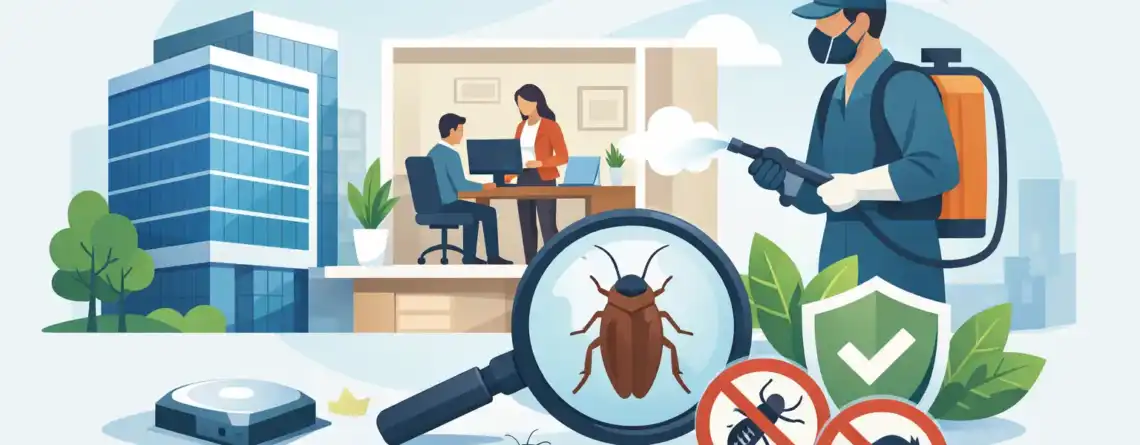
A single cockroach sighting in a reception area can do more damage than most facility managers want to admit. It affects employee confidence, leaves a poor impression on visitors, and raises immediate concerns about hygiene standards. That is why safe pest control for offices & commercial buildings is not just about removing pests. It is about protecting people, daily operations, and your business reputation without creating new risks inside the workplace.
Why safe pest control matters in commercial spaces
Offices and commercial properties are busy environments. Staff move between workstations, shared kitchens, meeting rooms, storage areas, and washrooms all day. In some sectors, such as clinics, schools, restaurants, and retail spaces, the pressure is even higher because hygiene and customer perception directly affect compliance and revenue.
Traditional pest treatment methods can solve one problem while creating another if they are not selected carefully. Strong chemical use, poor application timing, or unclear re-entry instructions can disrupt work, irritate occupants, and create avoidable liability. A safer approach focuses on targeted treatment, controlled application, and product choice that fits the environment.
That balance matters. You need effective pest elimination, but you also need staff to feel comfortable returning to their desks, customers to enter with confidence, and management to know the issue has been handled responsibly.
What safe pest control for offices & commercial buildings really means
Safe does not mean weak. It means the treatment plan is built around risk control as much as pest control. In a commercial setting, that usually starts with inspection and identification. Different pests behave differently, and treating ants, rodents, cockroaches, bedbugs, or termites with the same method is rarely the right move.
A safe commercial pest control plan should consider where the pests are active, how serious the infestation is, who uses the space, and what parts of the property need extra protection. A back-office storage room does not carry the same exposure concerns as a clinic waiting area or a pantry used by dozens of employees each day.
It also means using low-toxicity or non-toxic options where practical, applying treatments precisely instead of broadly, and giving clear guidance on ventilation, cleaning, and re-entry. The goal is to reduce pest activity with the least disruption to people and business operations.
Common pest risks in offices and commercial buildings
Most commercial infestations start quietly. A few crumbs in a pantry, moisture under a sink, deliveries coming in through a loading area, or clutter in a storage room can be enough to attract pests. Once they settle in, they spread fast through wall voids, ceilings, ducts, and shared utility routes.
Cockroaches are one of the most common problems in offices and mixed-use buildings because they thrive in warm, hidden spaces near food and water. Ants are persistent and often appear in break rooms, counters, and near trash areas. Rodents are a serious concern in larger commercial properties because they damage wiring, contaminate surfaces, and move between indoor and outdoor zones with ease.
Bedbugs can also affect offices, especially in upholstered seating, staff rest areas, and buildings with high foot traffic. Termites are less visible day to day, but they can cause major structural issues over time if left untreated. Each of these pests requires a different response, and safety standards should remain high in every case.
The best approach is targeted, not excessive
One of the biggest mistakes in commercial pest control is assuming more product means better results. In reality, overapplication can be unnecessary and counterproductive. The better approach is to treat the source, interrupt pest movement, and reduce the conditions that allow pests to return.
For cockroaches, this may involve gel baits in concealed areas, crack and crevice treatment, and sanitation advice for pantry zones. For rodents, it often means securing entry points, placing tamper-resistant bait stations in controlled locations, and monitoring activity. For ants, treatment may focus on entry paths and nesting behavior rather than just spraying visible trails.
This is where trained professionals make a real difference. They know when a low-impact method is enough and when a broader intervention is needed. They also know how to protect sensitive spaces such as food prep areas, medical settings, schools, and client-facing environments.
Safe pest control depends on timing and communication
Even a good treatment can become a poor experience if scheduling is handled badly. In commercial buildings, timing matters almost as much as the treatment itself. The safest and least disruptive services are usually planned around business hours, occupancy patterns, and the type of work being done on site.
For some businesses, treatment after hours is the best option. For others, early morning service is enough, especially when the affected area is limited. The key is clear communication. Occupants should know what was treated, whether any precautions are needed, and when spaces can be used normally again.
That level of planning is especially important in active office environments where employees may not all follow the same schedule. It also matters in shared buildings where neighboring units, common corridors, and service areas may play a role in the pest issue.
Prevention is what keeps commercial properties protected
Pest control should not stop after one treatment. In offices and commercial buildings, prevention is what saves time, money, and disruption over the long term. A recurring service plan is often the smartest option for businesses that want stable hygiene standards and fewer emergency callouts.
Preventive service usually includes regular inspections, monitoring, spot treatment where needed, and practical recommendations for housekeeping and maintenance teams. Small changes can make a big difference, such as improving waste handling, fixing leaks, sealing utility gaps, reducing clutter, and cleaning food areas more consistently.
This is also where a combined cleaning and pest control strategy helps. Clean environments are harder for pests to exploit, and recurring professional cleaning supports better pest prevention by reducing grease buildup, crumbs, moisture, and hidden nesting conditions. For many businesses, using one reliable provider for both services simplifies scheduling and improves overall results.
Choosing a provider for safe pest control for offices & commercial buildings
Not every pest control company is equipped for commercial work. Offices, clinics, schools, restaurants, and retail spaces all have different exposure risks and service expectations. You need a provider that can treat the infestation effectively while protecting staff, visitors, equipment, and brand image.
Look for a team that explains its process clearly, uses certified technicians, and offers treatment plans based on inspection rather than guesswork. Ask what products are used, whether lower-toxicity options are available, how sensitive areas are protected, and what follow-up is included. A dependable provider should be direct, transparent, and practical.
It also helps to work with a company that understands how commercial properties operate. Fast response times, flexible scheduling, and clear reporting are not extras in this setting. They are part of the service. In Doha, many businesses prefer providers that can handle both routine pest prevention and urgent treatment without slowing down day-to-day operations.
Hegy International is one example of a service-led company that approaches commercial pest control this way, with certified teams, safer treatment options, and practical scheduling for busy workplaces.
What decision-makers should expect after treatment
A professional service should leave you with more than a treated site. You should know what pest was found, why it appeared, what was done, and what steps reduce the chance of return. That information helps office managers and business owners make better decisions about maintenance, cleaning, and monitoring.
You should also expect honesty about trade-offs. Some infestations can be resolved quickly, while others need follow-up visits. Some spaces can be treated with minimal interruption, while sensitive or severe cases may require tighter controls. Good providers do not promise magic. They provide a clear plan, safe application, and measurable progress.
A clean, pest-free workplace supports more than appearance. It helps protect staff wellbeing, customer trust, and the smooth running of your business. When safety is built into the pest control process from the start, you do not have to choose between effective results and a responsible workplace. You can have both.