
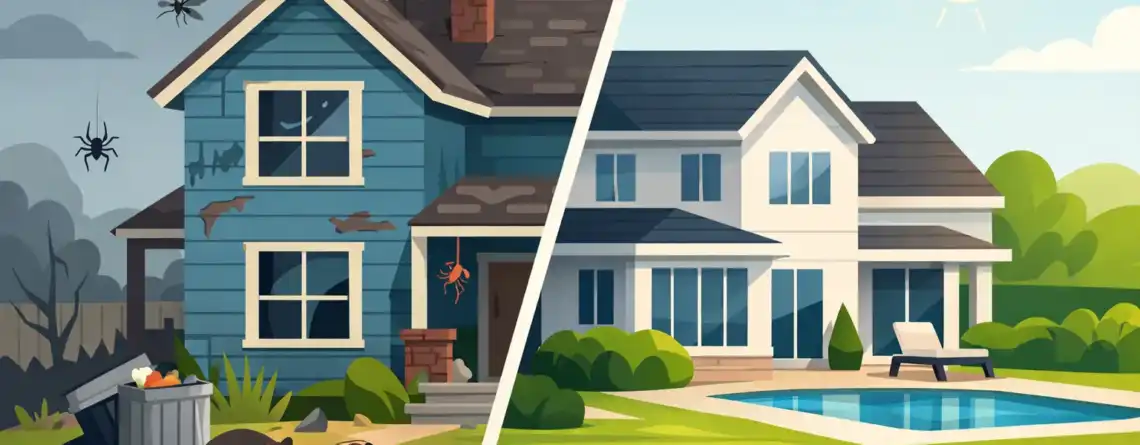
You can have a clean-looking home and still end up with cockroaches in the kitchen, ants near the sink, or rodents in storage areas. That is usually the most frustrating part of pest problems. Some Homes Attract More Pests Than Others, and the reason is not always obvious from the surface. In many cases, the real issue is a mix of moisture, access points, food sources, clutter, and routine habits that make one property easier for pests to survive in than the next.
For homeowners, tenants, and property managers, understanding these hidden factors matters. It helps you act early, reduce repeat infestations, and avoid wasting time on short-term fixes that do not address the source.
Why some homes attract more pests than others
Pests do not choose homes at random. They follow conditions that support food, water, shelter, and breeding. If a property offers even two or three of those consistently, it becomes more appealing than nearby homes.
That is why two apartments in the same building can have very different pest activity. One may have occasional issues, while another deals with recurring infestations. The difference often comes down to small details such as leaking pipes, unsealed food, poor ventilation, or gaps around doors and drains.
Climate also plays a role. In warm regions, pest pressure stays active for much of the year, which means problems can build faster if preventive steps are delayed. Homes with higher humidity, regular cooking, dense storage, or limited deep cleaning are especially vulnerable.
Moisture is one of the biggest triggers
Many common pests need water more urgently than food. Cockroaches, ants, silverfish, and rodents are strongly attracted to damp conditions. A small leak under the sink, condensation behind appliances, wet mop storage, or water collecting near drains can support ongoing pest activity.
Bathrooms, kitchens, laundry spaces, and AC areas are common trouble spots. Even when these spaces appear tidy, hidden moisture can remain behind cabinets, under floor edges, or around pipe entries. That is often why infestations continue after store-bought sprays seem to work for a few days.
Moisture problems tend to be worse in homes with poor airflow. If humidity stays trapped indoors, it creates a more stable environment for pests to hide and breed. This is especially relevant in closed apartments or villas where maintenance issues go unresolved for too long.
Food sources are often broader than people think
Most people assume pests are only drawn to obvious crumbs or uncovered leftovers. In reality, their food options are much wider. Grease buildup around a stove, food residue in sink drains, pet bowls left overnight, sugary spills under appliances, and garbage bins without tight lids can all attract pests.
Cockroaches are especially adaptable. They will feed on scraps, grease, cardboard glue, and even residue on dirty sponges. Ants may be drawn to tiny amounts of sugar or moisture that people barely notice. Rodents look for grains, stored dry goods, and easy access to trash.
This is why basic surface cleaning is not always enough. A home can appear organized while hidden food residue remains in the places pests prefer most. Deep cleaning becomes important when infestations keep returning without a clear explanation.
Clutter creates shelter and makes treatment harder
Pests do not only need food and water. They also need places to hide. Clutter gives them exactly that.
Stacked boxes, overfilled storage rooms, unused furniture, crowded kitchen cabinets, and piles of paper can create dark, undisturbed spaces where pests feel protected. Bedbugs, cockroaches, and rodents all benefit from these conditions. Once they settle into cluttered areas, inspection becomes harder and treatment takes longer.
There is also a second issue. Clutter reduces visibility. Small droppings, shed skins, bite patterns, nesting material, or insect movement can go unnoticed until the infestation becomes larger. By the time the signs are clear, the problem is usually more advanced than expected.
Entry points matter more than many homeowners realize
A home does not need a major structural defect to let pests in. Small gaps are enough. Cracks near windows, door sweeps with space underneath, unsealed pipe openings, damaged screens, loose tiles near drains, and gaps around utility lines can all become access points.
Rodents can squeeze through surprisingly small openings. Cockroaches and ants need even less space. In apartment buildings and multi-unit properties, pests may also travel between units through shared plumbing lines, service shafts, or wall voids.
This is one reason repeated infestations should never be treated as only a surface problem. If pests are entering from outside or from connected units, spray alone will not solve it for long. The source and route of movement need to be identified.
Daily habits can make a home more attractive to pests
Some homes develop pest problems because of routine patterns rather than major sanitation failures. Leaving dishes overnight, storing recyclables unwashed, keeping fruit out too long, skipping regular vacuuming under furniture, or delaying trash disposal can gradually increase pest activity.
Pet ownership can also change risk levels. Food bowls, litter areas, cages, and accidental spills provide food and moisture if they are not cleaned consistently. Families with young children may also face more crumbs in living areas, bedrooms, and car interiors, which can attract ants and cockroaches.
None of this means the home is neglected. It simply means pests respond quickly to repeat opportunities. Small habits, when repeated daily, can create stable conditions for infestation.
Outdoor conditions can push pests indoors
Sometimes the issue starts outside the home. Overwatered landscaping, standing water, open waste areas, dense plants close to walls, and poorly maintained outdoor storage can increase pest populations around the property. Once outdoor activity rises, insects and rodents begin searching for indoor access.
After weather changes, construction activity, or nearby pest control treatments, pests may also shift from one area to another. This can explain why a home suddenly experiences more insects even if household routines have not changed much.
Ground-floor units and villas often face stronger pressure from outdoor entry. Upper-floor apartments are not immune, but their pest pathways are more likely to come through drains, deliveries, shared walls, or infested neighboring spaces.
Why clean homes can still get infestations
This point is worth stating clearly. A clean home can still have pests.
Professional cleaners and pest control teams see this often. A property may be well maintained, yet still have termites from hidden wood exposure, bedbugs brought in through luggage or secondhand furniture, or cockroaches entering through drains and wall gaps. Cleanliness lowers risk, but it does not eliminate every pathway.
That is why pest prevention works best when cleaning, maintenance, and targeted treatment are combined. If only one part is addressed, the problem may keep returning.
What makes one-time treatments fail
Short-term products usually target visible pests, not the underlying reason they are there. If water remains available, entry points stay open, and nesting areas are untouched, new pests replace the ones that were killed.
This is especially common with cockroaches, ants, and rodents. People may see fewer pests for a week, then the activity comes back. The treatment did something, but not enough to change the environment that supported the infestation.
In practical terms, lasting control depends on three things working together: reducing attraction, blocking access, and using the right treatment for the specific pest. Miss one of those, and results are often temporary.
How to make your home less attractive to pests
The most effective approach is steady prevention. Fix leaks quickly, dry wet areas, and improve ventilation where humidity builds up. Store food in sealed containers, empty trash regularly, and clean grease or spills before residue accumulates. Reduce clutter in storage areas and make inspection easier behind furniture, under sinks, and around appliances.
It also helps to seal gaps around doors, pipes, and windows, especially in kitchens, bathrooms, and service areas. If you live in a shared building, pay attention to signs near drains and utility points, since these can indicate movement from surrounding units.
When pest activity keeps returning, professional inspection is usually the fastest way to identify what is being missed. A trained team can spot hidden conditions, match the treatment to the pest type, and recommend practical steps based on the property layout. For homes and businesses dealing with recurring issues in Doha, that kind of targeted support can save time, reduce repeat treatments, and make the space safer and more hygienic.
The key thing to remember is simple: pests are drawn to conditions, not just dirt. Once you understand what your home is offering them, it becomes much easier to take that advantage away.