
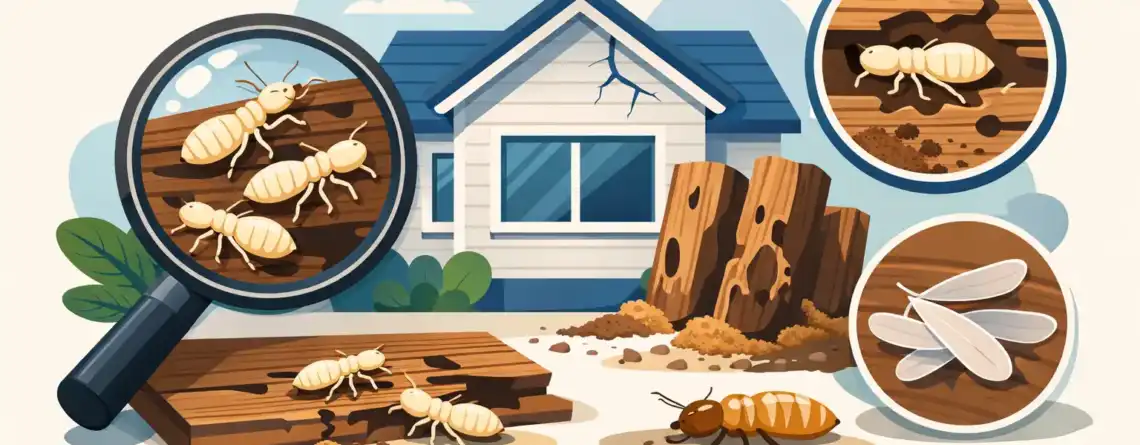
Top Signs of Termites
You usually do not see termites first. You notice a door that suddenly sticks, paint that looks bubbled for no clear reason, or wood that sounds oddly hollow when you tap it. Those are often the top signs of termites, and they tend to show up after the colony has already been active for a while. That is why early action matters. A small delay can turn a manageable treatment into a much larger repair bill.
In homes, villas, offices, and commercial spaces, termites work quietly. They stay hidden inside walls, under flooring, and around wooden frames, feeding on cellulose and weakening structural materials over time. In Qatar, where property condition, presentation, and long-term maintenance matter, spotting the warning signs early can save money, prevent disruption, and protect the value of the space.
Why termite signs are easy to miss
Termites are not like cockroaches or ants that cross the floor in plain sight. They avoid light, stay protected in soil or wood, and move through hidden routes. By the time visible damage appears, the activity may already be well established.
This is also where people get misled. Many property owners assume any wood damage is old wear, humidity, or poor paint adhesion. Sometimes that is true. Swollen wood and peeling paint can come from moisture alone. But when those issues appear together with other symptoms, termite activity becomes much more likely.
Top signs of termites inside and outside a property
Mud tubes along walls or foundations
Mud tubes are one of the clearest termite warning signs. These narrow, dirt-colored tunnels are often found along exterior walls, foundations, corners, or entry points where termites travel between the soil and the wood they are feeding on. They help the insects stay moist and protected while moving.
If you see these tubes around a villa, ground-floor apartment, warehouse, or office perimeter, do not brush them off as dried dirt. They are often active pathways. Breaking one open may reveal small pale termites inside, but even if it looks empty, the infestation may still be present elsewhere.
Hollow-sounding wood
Termites eat wood from the inside out. On the surface, a frame, skirting board, door, or cabinet may still look normal. But when you tap it, it sounds hollow or papery. In more advanced cases, the surface can break apart easily with slight pressure.
This sign matters because it points to hidden internal damage. A wooden door frame that looks intact may have lost much of its strength. The same goes for built-in shelves, partitions, or decorative wood elements in offices and homes.
Paint that bubbles or surfaces that warp
Bubbling paint, warped wood, and uneven wall finishes can look like moisture damage, and sometimes they are. But termites can create very similar symptoms as they tunnel close to the surface. Their activity changes the structure beneath the paint or veneer, causing blistering and distortion.
It depends on the location. In bathrooms, kitchens, or areas with plumbing, moisture is often the first suspect. In dry areas, especially near wooden trims, frames, or lower wall sections, termite activity becomes more likely and should be checked quickly.
Discarded wings near windows and doors
Another of the top signs of termites is a pile of tiny, equal-sized wings near windowsills, doors, lights, or other entry points. These wings come from swarmers, which are reproductive termites that leave the colony to start a new one.
A swarm does not always mean major structural damage already exists, but it does mean termites are nearby. If wings appear indoors, there is a stronger chance the colony is inside the building or very close to it. This is one of those signs people often sweep away without realizing its importance.
Tight-fitting doors and windows
When termites feed inside wooden frames, they can introduce moisture and damage that causes the wood to swell or shift. Doors and windows that suddenly become hard to open or close may not just be reacting to weather.
This sign on its own is not enough to confirm termites. Wood movement can happen for several reasons. But if sticking frames appear along with hollow wood, mud tubes, or wing debris, you should take it seriously.
Frass or termite droppings
Some termite species leave behind tiny pellet-like droppings called frass. These can collect near damaged wood and resemble small grains or sawdust. People often mistake them for dust from drilling or general debris.
The key difference is repetition. If you clean the area and the pellets return, that is a strong sign of active infestation. Fresh frass near wooden furniture, frames, or wall edges should never be ignored.
Signs of termite damage that property owners notice too late
One common problem is assuming termites only attack old or neglected properties. That is not true. Clean, modern, and well-kept homes can still develop infestations if conditions allow it. Termites are attracted by access, moisture, and food sources, not by whether a property looks tidy.
Another late-stage sign is visible cracking in wood or sagging sections in floors and ceilings. At that point, the damage may be more extensive and repair costs can rise quickly. In rental properties or commercial spaces, delayed treatment can also create operational issues, tenant complaints, and added maintenance downtime.
Where termites usually show up first
Termites often target places that stay undisturbed. Ground-level wooden frames, skirting, storage areas, false ceilings, under-sink cabinets, wall voids, and outdoor wood in contact with soil are common starting points. In offices, archive rooms, wooden partitions, and neglected corners can also become risk zones.
Properties with landscaping close to the building, untreated wood, minor water leaks, or poor sealing around entry points are more vulnerable. That does not mean every such property has termites, but it does mean inspections should happen sooner rather than later.
What to do if you notice the top signs of termites
The first step is simple: do not disturb the area too much. People sometimes spray household insect killer, rip out damaged wood, or break every visible mud tube. That can scatter the activity without solving the root problem. It may also make professional inspection less accurate.
Instead, document what you see. Take clear photos of wings, mud tubes, wood damage, or frass. Note where it appears and whether the problem is spreading. Then arrange a proper inspection as soon as possible.
Professional termite control is usually more effective because it focuses on the colony, not just the visible insects. Treatment may involve soil barriers, targeted applications, drilling and injection, or broader anti-termite solutions depending on the structure and severity. The right approach depends on the construction type, infestation location, and whether the goal is active treatment, prevention, or both.
Why fast response saves money
Termite damage gets more expensive with time. What starts in one frame or wall section can spread into multiple areas before obvious symptoms appear. Early detection usually means more targeted treatment, less structural damage, and fewer repair needs.
That matters for homeowners trying to protect a family property, landlords preparing units for tenants, and office managers who cannot afford interruptions. Fast action is not about panic. It is about avoiding unnecessary cost and disruption.
If you need a professional inspection, Hegy International handles termite control with trained technicians, fast response, and practical treatment options designed for residential and commercial properties.
A smart way to stay ahead of termites
The most effective approach is not waiting for major damage. If you notice even two or three warning signs, especially mud tubes, hollow wood, wings, or recurring pellet-like droppings, get the property checked. Termites are easiest to control when the problem is found early.
A property does not have to look damaged to be at risk. Sometimes the clearest warning is a small change that seems easy to ignore. Pay attention to those changes. Acting early is one of the simplest ways to protect your home, office, or investment from bigger trouble later.