
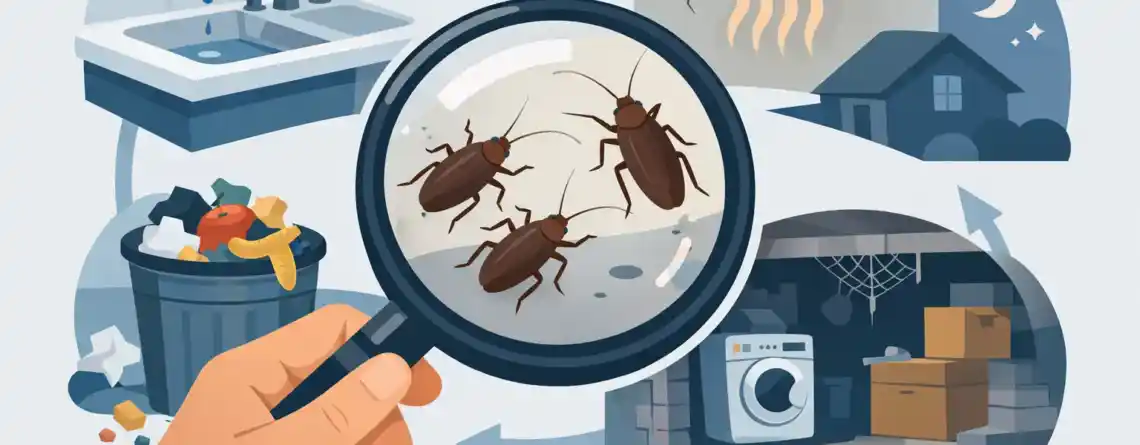
A cockroach seen after treatment is not always a sign that the treatment failed. It may be a newly hatched nymph, a roach entering from a neighboring unit, or evidence that the conditions attracting pests are still present. Understanding what causes recurring cockroaches helps homeowners, tenants, and property managers in Qatar stop treating the visible problem while the hidden source remains active.
Cockroaches are highly adaptable. In Doha apartments, villas, restaurants, offices, staff accommodations, and retail spaces, they can find warmth, moisture, food, and hiding places with very little effort. Lasting control requires more than spraying where a cockroach was seen. It requires identifying how the pests are entering, where they are breeding, and what allows them to survive between treatments.
What Causes Recurring Cockroaches After Treatment?
Recurring cockroaches usually come down to one or more of three issues: an untreated breeding area, ongoing access to food and water, or reinfestation from outside the property. A professional treatment can reduce active pests quickly, but it cannot permanently compensate for leaks, open entry points, cluttered storage, or a pest source in an adjacent area.
The timing also matters. Cockroach eggs are protected inside egg cases, and some may survive an initial application depending on the species, life stage, treatment method, and location of the nest. When the eggs hatch, small cockroaches may appear days or weeks later. This is why properly planned pest control often includes follow-up visits rather than a single treatment only.
Hidden nests were missed
Cockroaches spend most of their time out of sight. They hide behind refrigerators, under sinks, inside cabinet gaps, around plumbing lines, behind wall-mounted appliances, in false ceilings, and near electrical boxes. German cockroaches, one of the most common indoor species, especially favor warm areas close to water and food.
If a nest is deep within a kitchen cabinet, beneath a dishwasher, or inside a wall void, treating open floor areas will have limited results. The roaches may become less visible temporarily, then return to normal activity once the treatment fades. A detailed inspection is the difference between targeting a pathway and targeting the source.
Food is still available
Cockroaches do not need an obviously dirty property to survive. A few crumbs beneath an oven, cooking grease on a backsplash, pet-food residue, unsealed dry goods, or food waste left overnight can support an infestation. In offices, the source may be forgotten snacks in desk drawers, a pantry bin, a coffee station, or delivery packaging stored in a back room.
Daily cleaning makes a real difference, but it should focus on hard-to-reach areas as well as visible surfaces. Wipe counters and stovetops, clean beneath small appliances, empty waste bins regularly, and keep food in sealed containers. Cardboard boxes should not remain in kitchens, storerooms, or utility rooms for long periods because they provide both shelter and a food source through glue and paper fibers.
Moisture is keeping them alive
Water is often the deciding factor in a recurring infestation. Cockroaches can survive longer without food than without moisture. A slow leak under a sink, condensation around an air-conditioning drain, a dripping water dispenser, damp mop storage, or a poorly ventilated bathroom can create the environment they need.
This is particularly relevant in Qatar, where air-conditioning systems operate heavily for much of the year. Check AC drain lines, kitchen and bathroom pipe connections, washing-machine areas, and floor drains. Repairing a small leak may seem unrelated to pest control, but it can remove the reliable water source that keeps cockroaches established indoors.
Common Entry Points for Recurring Cockroaches
In multi-unit buildings, a clean apartment can still have cockroach activity if the insects travel through shared service routes. They may move between units through plumbing penetrations, electrical conduits, ceiling voids, drain lines, elevator shafts, or gaps beneath doors. This is why one tenant may see cockroaches even after thoroughly cleaning their own kitchen.
In villas and standalone properties, cockroaches may enter from gardens, drains, garages, external storage areas, waste collection points, or gaps around utility pipes. Sewer cockroaches and larger outdoor species are more likely to enter from these areas, especially after drain disturbance, rainfall, landscaping work, or waste buildup.
Look for gaps around pipes under sinks, openings behind kitchen cabinets, cracked sealant, loose drain covers, damaged door sweeps, and unscreened vents. Sealing these points will not eliminate an existing nest by itself, but it reduces the chance that new cockroaches replace the ones already removed.
Why DIY Products Can Lead to Repeat Activity
Store-bought sprays can kill cockroaches that are directly hit, which can provide immediate relief. The limitation is that cockroaches rarely remain in open areas for long. Spraying visible insects may leave egg cases, nymphs, and hidden adults unaffected. Some products can also repel roaches deeper into wall gaps or into neighboring rooms, making the infestation harder to locate.
Foggers are another common concern. They may spread product through open air, but they do not reliably reach the narrow cracks and protected harborages where cockroaches live. Overuse of unsuitable products can expose occupants unnecessarily, contaminate food-preparation areas, and delay the more focused treatment the property needs.
Professional pest control uses a combination of inspection, targeted application, monitoring, and practical prevention advice. The correct approach depends on the cockroach species, the level of activity, the property type, and whether the issue is isolated or connected to shared building areas. For example, a recurring kitchen infestation in an apartment may require baiting and crack-and-crevice treatment, while a drain-related issue may need sanitation and exclusion measures as well.
A Practical Plan to Stop the Cycle
Start by tracking where and when cockroaches appear. Activity at night around the kitchen sink often points to moisture or cabinet harborages. Roaches in bathrooms may indicate plumbing routes or drains. Seeing them in daylight can suggest a larger infestation, because cockroaches are normally more active after dark.
Then remove the conditions that support them. Keep food sealed, take out rubbish before overnight, clean grease and crumbs from cooking areas, avoid storing cardboard near food, and dry sinks before bed. Fix leaks promptly and keep drains covered when not in use. If you manage an office or commercial property, include pantry areas, staff lockers, stock rooms, cleaning closets, and waste zones in the inspection routine.
For persistent activity, schedule a professional inspection rather than repeating random spray applications. Tell the technician where cockroaches have been seen, whether they are small or large, how often they appear, and whether neighboring units or common areas may be affected. This information helps the team identify likely entry routes and create a treatment schedule that addresses the cockroach life cycle.
Hegy International provides targeted cockroach control for homes, offices, villas, apartments, and commercial properties across Qatar, using trained teams and approved treatments with practical advice for preventing return activity. Follow-up service is especially valuable when egg hatch, shared building routes, or established hiding places are part of the problem.
When Fast Professional Help Is Needed
Arrange prompt pest control if cockroaches are seen during the day, appear in several rooms, are found inside cabinets or appliances, or return soon after repeated cleaning and DIY treatment. Food businesses, clinics, offices with shared pantries, and rental properties should act quickly because pest activity can affect hygiene standards, customer confidence, and property condition.
A recurring cockroach problem is rarely caused by one missed crumb alone. It is usually a pattern of access, shelter, moisture, and breeding that needs to be broken at the source. With a thorough inspection, targeted treatment, and a few consistent prevention steps, your property can return to the clean, safe environment it should be.