
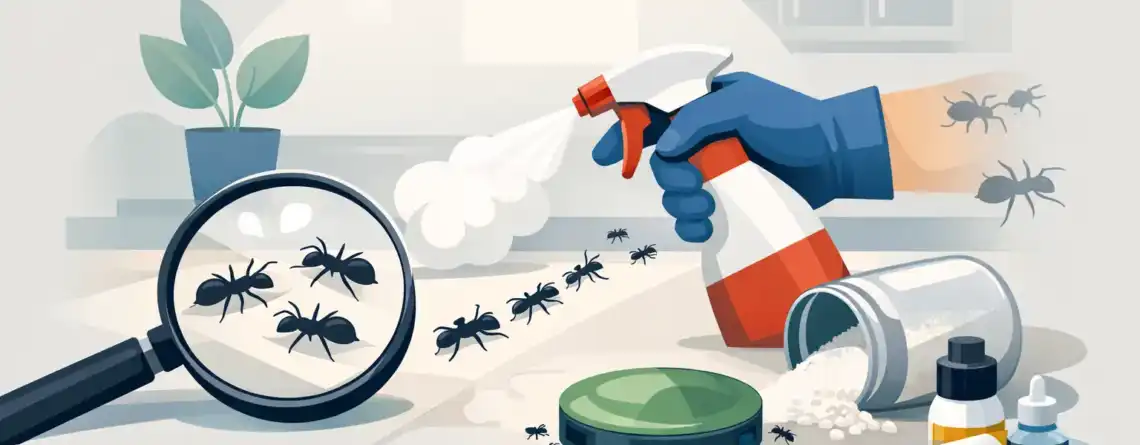
You wipe the kitchen counter, take out the trash, and by the next morning there is another line of ants moving across the floor. If you are wondering how to get rid of ants without wasting time on quick fixes that do not last, the real answer starts with finding what is attracting them and stopping the colony at the source.
Ant problems rarely stay small for long. In apartments, villas, offices, and commercial spaces, ants usually show up where food, moisture, or easy shelter are available. A few ants near a sink may look minor, but they are often scouts from a larger nest hidden in a wall void, under flooring, around plumbing, or outside near the building.
How to get rid of ants the right way
The biggest mistake people make is killing only the ants they can see. Sprays may remove the visible trail for a few hours, but if the nest remains active, the ants will return. Effective ant control means interrupting the trail, removing the food source, and reaching the colony.
Start by watching where the ants are coming from. Check baseboards, windows, door gaps, sink areas, pantry corners, and any cracks near pipes. Ants depend on scent trails, so once one finds food, others follow quickly. That is why a single crumb, sugary spill, or open food packet can trigger a steady stream.
After identifying their path, clean the area thoroughly with soap and water or a mild vinegar solution. This does two things – it removes food residue and helps erase the scent trail. If you skip this step, more ants may continue arriving even after you kill the first group.
Then move to the source conditions that are keeping them around. Leaking taps, damp cabinets, overfilled trash bins, pet food left out overnight, and uncovered dry goods are common reasons ants settle in. In office pantries and break rooms, the issue is often small daily spills that build up over time rather than one obvious mess.
Why ants keep coming back
Ant infestations are persistent because colonies are organized for survival. When one route is blocked, workers often search for another. That is why ant control is not just about treatment. It is also about making the property less attractive to them.
Moisture is a major factor. Ants are often drawn to bathrooms, kitchens, laundry rooms, AC drain areas, and places where water collects near the building exterior. Food is the second factor, especially sugar, grease, crumbs, and improperly stored pantry items. The third is access. Tiny cracks in walls, unsealed windows, gaps under doors, and pipe entry points can all become entry routes.
This is also where the type of property matters. In a villa, ants may be nesting in gardens, paving joints, or perimeter walls before moving indoors. In an apartment, they may travel from shared building spaces, neighboring units, or service shafts. In offices and commercial settings, ants often appear in kitchenettes, storage rooms, and reception areas where snacks and drinks are handled daily.
Fast home steps that actually help
If the infestation is still light, there are several practical steps you can take immediately. Keep food sealed in containers, empty trash daily, wipe counters after every meal, and avoid leaving dishes overnight. Dry sinks and countertops before bed, because moisture can keep attracting ants even when food is gone.
You can also seal visible cracks with appropriate filler or caulk around windows, baseboards, and pipe openings. This will not eliminate an existing colony, but it reduces new entry points and supports long-term prevention.
Baits are generally more effective than random surface spraying because worker ants carry the bait back to the colony. That said, bait placement matters. If it is set too far from the trail, ants may ignore it. If the area is heavily cleaned with strong chemicals at the same time, they may avoid the bait entirely. It can take patience, because bait systems are designed to spread through the colony rather than deliver an instant knockdown.
Surface sprays have a role, but mostly for short-term control along entry points and active trails. They can help reduce immediate activity, especially in commercial spaces where visible pests create a poor impression. The trade-off is that some sprays scatter the colony or interrupt bait transfer, which can make complete elimination slower.
When DIY ant control is not enough
Sometimes the problem is already beyond a basic home treatment. If ants keep returning after cleaning and baiting, if you see them in multiple rooms, or if activity increases after each attempt, there is likely a larger nesting issue behind the scenes.
Professional treatment is often the better choice when the infestation affects kitchens, offices, food-handling areas, or larger properties where ants can spread through wall voids and exterior landscaping. The same applies when children, pets, staff, or customers are present and safety is a concern. A trained technician can identify ant type, nesting behavior, and the most effective treatment method instead of relying on trial and error.
This is especially important in hot climates, where pest activity can remain steady and exterior conditions support recurring infestations. A fast-response service with eco-friendly treatment options is often the most efficient route when you need both speed and long-term results.
How professionals get rid of ants
A proper ant control service starts with inspection. The technician looks for activity zones, nesting points, moisture sources, and structural access points. Treatment is then selected based on the severity of the infestation and the type of site, whether residential or commercial.
In many cases, the best results come from combining methods rather than relying on one product. That may include gel baits in targeted areas, residual treatment around entry points, perimeter treatment outside the property, and recommendations to reduce sanitation or moisture issues that are supporting the infestation.
This combined approach matters because ants do not behave the same way in every environment. A small kitchen infestation and a large exterior-to-interior invasion need different handling. The goal is not simply to kill what is visible today. The goal is to stop the colony cycle and reduce the chance of another outbreak next week.
For property managers, landlords, and business owners, professional service also helps protect reputation and routine operations. In offices, retail spaces, and shared facilities, recurring ant activity can quickly become a hygiene concern. Fast treatment paired with preventive follow-up is often the most cost-effective option over time.
How to prevent ants after treatment
Once the ants are gone, prevention becomes the priority. Keep food sealed, clean up spills immediately, and avoid leaving sweet or greasy items exposed. Inspect under sinks and behind appliances for leaks. Check exterior doors and windows for gaps, especially in older properties or high-use commercial spaces.
Regular cleaning matters more than most people think. Ants do not need a full meal to stay interested in a property. Small crumbs near a toaster, sugar around a tea station, or residue inside a trash bin can be enough to restart activity. In workplaces, shared responsibility is often the weak point, so routine cleaning standards make a real difference.
It also helps to monitor outdoor conditions. Trim vegetation away from walls, avoid water pooling near the building, and keep storage areas organized and dry. If you have had ants before, seasonal inspections and early treatment can prevent a larger infestation later.
For homes and businesses that want a reliable fix without repeated guesswork, Hegy International provides practical ant control with trained technicians, affordable pricing, and same-day service when speed matters.
Ants are small, but the disruption they cause is not. If the same trail keeps reappearing, treat it as a sign that the colony is still active and the property needs a more complete solution. The sooner you deal with the source, the easier it is to get your space back to clean, safe, and under control.