
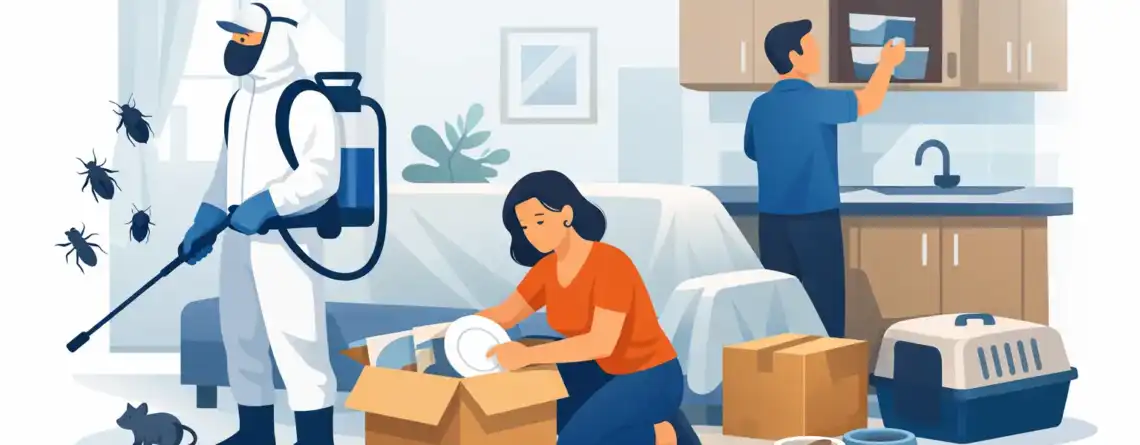
The day before a pest control visit is when most problems start – not because the treatment is unsafe, but because people are unsure what needs to be moved, cleaned, covered, or left alone. If you are wondering how to prepare for pest control treatment, the goal is simple: make the space accessible, protect food and personal items, and help the technician treat the right areas without delay.
Good preparation makes the service faster and more effective. It also reduces the chance of missed spots, repeat activity, or unnecessary disruption to your home or business. The exact steps can vary depending on whether the issue is cockroaches, ants, bedbugs, termites, or rodents, but a few core rules apply almost every time.
Why preparation matters before treatment
Pest control works best when technicians can reach the areas where pests hide, feed, and breed. That usually means skirting boards, cabinet corners, under sinks, behind appliances, storage areas, and entry points around walls or doors. If those areas are blocked by boxes, food items, laundry, or furniture, treatment becomes less precise.
Preparation also helps with safety. Even when pet-safe and family-conscious products are used, you still want to keep dishes protected, children away from treated areas for the recommended time, and unnecessary items out of the way. A little planning beforehand usually leads to better results afterward.
How to prepare for pest control treatment at home
Start by identifying which rooms are affected and where you have noticed activity. If you have seen cockroaches in the kitchen at night, ants near a balcony door, or rodent droppings in a store room, make a note of it and tell the technician on arrival. That information matters because pest patterns are not always obvious during a quick inspection.
Next, reduce clutter. This does not mean deep cleaning the entire property right before the appointment. In fact, over-cleaning certain areas can sometimes remove signs that help identify the infestation. What you do want is enough space for proper access. Move loose items away from walls, clear under-sink cabinets, and tidy storage corners where pests may be nesting.
In kitchens, put away exposed food, fruits, snacks, and cooking utensils. Store dry goods in sealed containers if possible. Cover or remove dishes, cups, cutting boards, and small appliances from countertops. Trash should be tied and disposed of before treatment, especially if the infestation involves cockroaches or ants.
Bathrooms and utility areas need similar attention. Empty the space under sinks if treatment is planned there, and remove personal hygiene items such as toothbrushes, towels, razors, and cosmetics. In laundry rooms, clear the floor and keep detergents or cleaning products organized so the technician can inspect corners and plumbing entry points.
If treatment includes bedrooms, especially for bedbugs, preparation becomes more specific. Bedding may need to be removed, linens may need washing at a high temperature, and items stored under the bed may need to be cleared out. For bedbug work, it is best not to move infested items into other rooms unless the pest control team tells you to. That can spread the problem instead of containing it.
What to do with pets, children, and vulnerable occupants
Families often ask the same question first: do we need to leave the property? The answer depends on the treatment type, the product used, and who is in the space. For routine treatments, you may only need to stay out of treated areas for a set period. For more intensive services, temporary vacancy may be recommended.
Pets should be kept away from treatment zones, including food bowls, bedding, litter trays, and toys. If you have birds, fish tanks, or small caged animals, mention that in advance. These cases sometimes require extra precautions because they can be more sensitive than cats or dogs.
Young children, elderly family members, and anyone with respiratory sensitivities should also be considered when planning the appointment. A dependable provider will explain any re-entry instructions clearly, but it helps if you arrange your schedule ahead of time rather than deciding at the last minute.
Cleaning before and after treatment
One common mistake is mopping, spraying, or scrubbing everything immediately after pest control. That can reduce the effectiveness of the service, especially when treatments rely on residual products that continue working after application. Unless you are told otherwise, avoid cleaning treated edges, corners, or surfaces too soon.
Before treatment, normal cleaning is helpful if it improves access and hygiene. Wipe up grease, remove food crumbs, and clear waste. But try not to apply strong household chemicals in the problem area right before the visit. Mixing products or masking pest activity can interfere with treatment planning.
After treatment, follow the specific instructions given for your pest type. Some services require a waiting period before cleaning. Others may allow light cleaning on untouched surfaces while asking you to leave treated areas alone for several days.
Preparing for different pest problems
Not every infestation needs the same setup. That is where many people get confused.
For cockroaches, the focus is usually on kitchens, bathrooms, drains, and hidden moisture areas. Clear cabinets under sinks, empty trash, and avoid leaving food or water sources exposed. Roaches are drawn to grease, crumbs, and damp corners, so basic sanitation supports the treatment.
For ants, preparation is often lighter, but access still matters. Move items away from entry points, windows, or balcony doors where trails appear. If you have been using store-bought ant sprays, let the technician know. Those products can scatter colonies and make professional baiting less effective.
For rodents, inspect storage rooms, behind appliances, and low-traffic areas. Remove loose paper, cardboard, or food packaging from the floor. If possible, note where droppings, gnaw marks, or sounds have been noticed. Rodent work often depends on tracking movement patterns, not just placing bait.
For termites, access to wall edges, wooden fixtures, and affected structural areas is important. Do not cover damaged wood or repaint suspected termite spots before inspection. That only hides the evidence.
For bedbugs, preparation is the most demanding. Clothing, curtains, linens, and sometimes upholstered items may all need attention. Vacuuming can help, but it should be done carefully and usually as part of a full plan, not as a rushed fix the night before.
How to prepare for pest control treatment in offices and commercial spaces
Commercial properties need a more organized approach because staff, customers, equipment, and compliance requirements all come into play. Office managers should notify employees in advance, secure food from pantry areas, and make sure desks, skirting boards, and utility access points are reachable.
In clinics, schools, restaurants, or retail spaces, preparation may include protecting inventory, covering sensitive equipment, and scheduling service outside busy hours. The right plan depends on the environment. A restaurant kitchen has very different needs from a classroom or open-plan office.
This is where working with an experienced provider matters. In Doha, many homes and businesses prefer one company that can manage both hygiene and pest issues together, because preparation is easier when the team understands the full condition of the property.
Questions to ask before the technician arrives
A short call before the appointment can prevent a lot of confusion. Ask whether you need to vacate the property, how long to wait before re-entry, whether pets need to be removed entirely, and if any special preparation applies to your pest type.
You should also ask what not to do. Sometimes the best preparation is simply avoiding the wrong step, like spraying over a bait area, washing treated surfaces too soon, or moving infested bedding into clean rooms.
If you manage a large home, villa, office, or multi-room facility, ask how much access is needed and whether all rooms must be opened. That helps you plan staff presence, keys, or building coordination without delays.
Small steps that improve results
Pest control is not only about the product used. Results improve when the environment supports the treatment. Fixing leaks, sealing food, reducing clutter, and closing entry gaps all help limit future activity. If these issues stay in place, pests may return even after a successful service.
That is why the best pest control visits feel practical, not disruptive. You prepare the space, the technician treats the problem properly, and the follow-up advice helps keep the property hygienic and protected.
If you are preparing for an upcoming appointment, keep it simple: clear access, protect food and personal items, plan for children and pets, and follow the aftercare exactly. A well-prepared space gives the treatment the best chance to work the first time.