
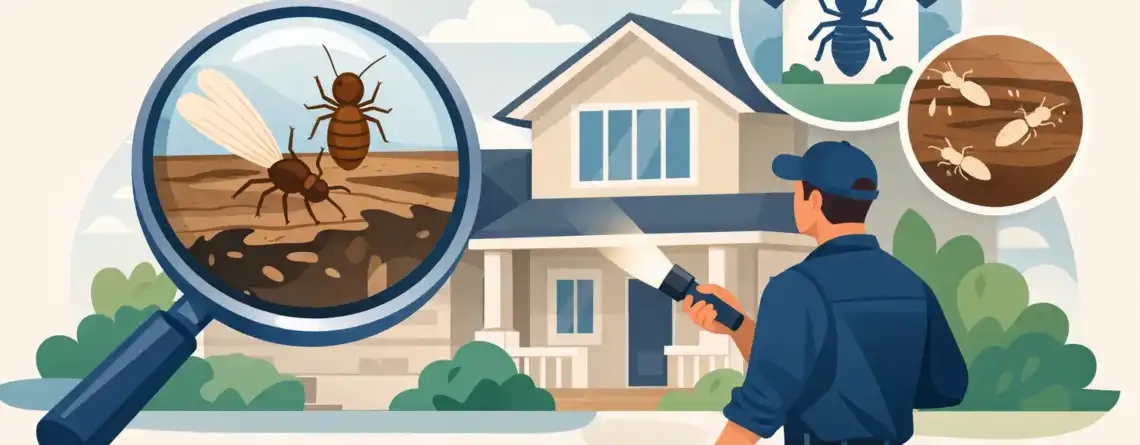
A door frame that suddenly sounds hollow, a window that starts sticking for no clear reason, a few winged insects near a light after rain – these are the kinds of small signs people often ignore until the repair bill gets expensive. A termite inspection for homes is not just a box to check before buying property. It is a practical way to catch hidden activity early, protect structural materials, and avoid damage that can spread quietly behind walls, under flooring, and inside wood trim.
For homeowners, tenants, and property managers in Qatar, the challenge with termites is simple: they usually stay out of sight. Unlike pests that leave obvious droppings or make noise, termites can work for months before the problem becomes visible. That is why inspections matter even when a home looks clean, dry, and well maintained.
Why termite inspection for homes matters in Qatar
Termites feed on cellulose found in wood and other plant-based building materials. In many properties, that means doors, cabinets, skirting boards, wooden frames, and sometimes structural elements are all potential targets. The risk is not always dramatic at first. Early damage may appear as blistered paint, fine cracks, sagging wood, or faint mud traces near walls and foundations.
What makes this difficult is that those signs can also resemble moisture issues, normal wear, or poor ventilation. A proper inspection helps separate guesswork from evidence. Instead of treating the wrong problem or waiting until visible damage spreads, a trained technician can identify whether termites are active, whether old damage is present, and which areas of the property are most vulnerable.
This matters even more in homes with attached landscaping, stored cardboard, wood furniture in contact with walls, or repeated moisture around kitchens, bathrooms, or service areas. Termites are attracted to conditions as much as materials. If a home offers shelter, moisture, and hidden access points, the risk increases.
What happens during a termite inspection for homes
A professional inspection is usually straightforward, but it should be thorough. The goal is not only to look for termites themselves. It is also to find evidence of activity, entry points, and conditions that make infestation more likely.
Interior inspection
Inside the home, the inspector checks accessible wooden elements, baseboards, door frames, window frames, built-in cabinets, and visible wall edges. Areas around plumbing lines, utility penetrations, and damp zones often get closer attention because moisture can support termite activity.
Technicians may tap wood surfaces, look for hollow-sounding sections, check for blistering or soft spots, and inspect hidden corners where activity may go unnoticed. In apartments or villas, inspection quality depends partly on access. If heavy furniture blocks walls or storage areas are packed tightly, some spaces may remain visually limited.
Exterior inspection
Outside the home, the inspector typically examines foundation lines, perimeter walls, outdoor wood features, fencing, garden edges, and any place where soil and wood are close together. Mud tubes, damaged timber, moisture buildup, and gaps around utility entries are all relevant findings.
Exterior inspection is often where hidden risk becomes more obvious. A home can look fine indoors while showing clear conditions outside that invite termites in.
Roof, attic, and service areas
If accessible, roof voids, attics, crawl spaces, and service rooms should also be checked. These are common places for unnoticed moisture, damaged wood, and low-traffic conditions that allow termites to remain active for long periods.
Not every home has the same layout, so the inspection scope can vary. A compact apartment may need a different approach than a large villa with storage rooms, outdoor landscaping, and multiple wet areas.
Common signs inspectors look for
Some termite evidence is direct, and some is indirect. A trained inspector usually looks at the full pattern rather than relying on one clue alone.
Mud tubes are a common sign, especially along walls, foundations, or concealed edges. These narrow, earth-colored tunnels help termites move while staying protected. Discarded wings near windows or light sources can indicate a termite swarm, which often means a colony is established nearby. Damaged wood may sound hollow when tapped or may break apart in thin layers.
Sticking doors and windows can also be a clue when termite damage or hidden moisture causes wood distortion. Bubbling paint, sagging trim, and unexplained surface cracks may point to activity beneath the finish. None of these signs confirms infestation by itself, but together they build a clear picture.
When should homeowners schedule an inspection?
There is no single perfect schedule for every property. It depends on the age of the building, the surrounding environment, previous pest history, and whether there have been leaks or moisture issues.
For many homes, an annual inspection is a sensible preventive step. It is especially useful for older properties, homes with wooden features, or properties that have had termite treatment in the past. If you are buying a home, planning renovations, or noticing even minor warning signs, it makes sense to schedule an inspection sooner rather than waiting.
Seasonal changes, rainfall, and landscaping work can also affect termite movement. If soil around the property has been disturbed or moisture levels have recently changed, an inspection can help confirm that no new access routes have developed.
What happens if termites are found?
If an inspection confirms termite activity, the next step should be based on the severity and location of the infestation. There is no one-size-fits-all treatment. Some cases involve localized activity in a limited section of wood. Others involve broader colony movement through multiple access points.
A reliable pest control provider should explain what was found, where the risk is concentrated, and which treatment method fits the property. That may include targeted treatment, barrier solutions, or a broader control plan depending on the infestation pattern. The key is not just killing visible termites but addressing the source and reducing the chance of repeat activity.
This is also where safety matters. In occupied homes, especially those with children or pets, treatment planning should be clear and responsible. Homeowners should know what products are being used, whether any preparation is needed, and when treated areas can be used normally again.
Inspection is not the same as treatment
Many people confuse the two, and that can lead to delays. An inspection identifies evidence, vulnerable conditions, and likely infestation zones. Treatment is the corrective action taken after a problem is confirmed or strongly suspected.
That distinction matters because some homes need monitoring more than immediate chemical intervention, while others need prompt treatment before structural damage worsens. A dependable service provider will not treat first and explain later. The inspection should guide the recommendation.
How to make an inspection more useful
A few simple steps can help the process go faster and produce better results. Clear access to walls, storage corners, and utility areas wherever possible. If you have noticed anything unusual, such as wings, soft wood, or recurring moisture, mention it at the start. Even small details help narrow the search.
It also helps to be realistic about what an inspection can and cannot show. If parts of the home are sealed, fully covered, or inaccessible, findings may be limited to visible evidence and risk indicators. That does not make the inspection ineffective, but it does mean access affects certainty.
For homeowners who want practical, reliable service, working with a trained pest control team makes the difference. Companies such as Hegy International focus on clear inspection processes, safe treatment planning, and straightforward communication that helps customers act early instead of reacting late.
The cost of waiting is usually higher
Termites are expensive not because they arrive dramatically, but because they stay hidden. By the time visible damage appears, the infestation may already be advanced. Repairs to woodwork, finishes, frames, and other affected areas can quickly cost more than preventive inspection and timely treatment.
That is why termite inspections make sense for both occupied homes and rental properties. They protect the property itself, but they also protect peace of mind. If you know the condition of the home and have addressed risks early, you are far less likely to face urgent repairs later.
If you have noticed warning signs or simply have not checked your property in a long time, scheduling a professional inspection is a practical move. A home does not need to look damaged to have a hidden problem, and catching it early is always easier than fixing it after the fact.