
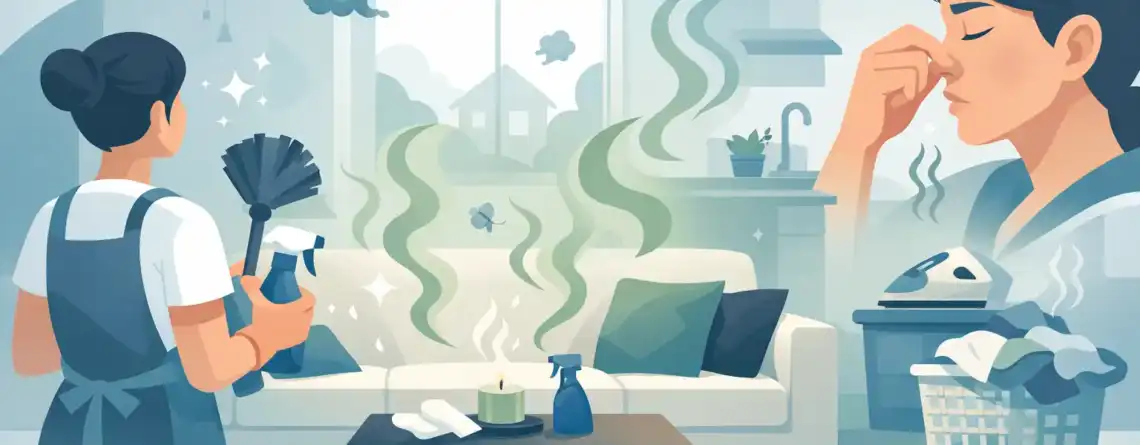
You mop the floors, wipe the counters, empty the trash, and the space looks fresh – but the smell is still there. If you are wondering why your home still smells bad after cleaning, the issue is usually not the cleaning itself. It is that the real odor source is hidden, trapped in soft surfaces, or tied to a hygiene problem that basic surface cleaning does not reach.
That matters because bad smells are not just unpleasant. They often point to moisture, bacteria, food buildup, pet residue, drainage issues, or even pest activity. A home can appear clean and still hold onto odors in the air, fabrics, and places most people do not think to check.
Why your home still smells bad after cleaning
Most persistent odors come from one of three problems. The first is residue that was not fully removed. The second is odor that has soaked into porous materials like carpets, curtains, mattresses, or sofas. The third is an underlying issue such as mold, blocked drains, or pests.
Many standard cleaning routines focus on visible dirt. That is enough for day-to-day upkeep, but it will not always fix a smell that has been building for weeks or months. If the odor returns soon after cleaning, that is a strong sign the source is still active.
Soft surfaces hold more odor than hard surfaces
A lot of homeowners clean tile, glass, countertops, and bathroom fixtures well, then overlook the items that actually trap smell. Upholstery, rugs, carpets, bedding, and curtains absorb cooking odors, sweat, pet dander, moisture, and smoke. Once odor settles into fabric fibers, regular spraying or wiping nearby surfaces will not solve it.
This is why a living room can smell stale even when the floor is clean. The sofa, cushions, and carpet may be carrying most of the odor load. In bedrooms, mattresses and heavy curtains are common culprits, especially in rooms with limited airflow.
Drains can make a clean home smell dirty
Kitchens, bathrooms, and laundry areas often smell bad because of buildup inside drains, not because the room itself is dirty. Grease, soap scum, hair, food particles, and bacteria collect inside pipes and traps. You may clean the sink until it shines and still notice a sour or musty smell rising from below.
Floor drains are another common problem, especially in bathrooms and utility areas. If they dry out or collect organic matter, they can release unpleasant odors into the room. In some homes, this is mistaken for a toilet issue or a general moisture smell.
Hidden moisture changes the smell of a room
When a room smells musty after cleaning, moisture is often involved. Mold and mildew do not need a dramatic leak to grow. Condensation, poor ventilation, damp corners, AC issues, or water trapped under furniture can be enough.
Bathrooms are obvious risk areas, but bedrooms, storage spaces, and closed rooms can also develop stale or damp odors. If you clean the room and the smell comes back quickly, especially after the AC runs or the room stays shut for a few hours, moisture should be high on your checklist.
Airflow is part of cleaning, even if people forget it
A home that stays closed most of the time can trap odors no matter how often you clean. Cooking smells, humidity, cleaning product residue, and everyday body odors linger longer when there is not enough air movement. In hot climates, many households rely heavily on air conditioning, but that does not always mean the air feels fresh.
If AC filters are dirty or vents carry dust and buildup, they can spread stale smells from room to room. Good cleaning and poor airflow are a frustrating combination because the home looks spotless but still does not feel clean.
Trash areas and bins may be the real source
Sometimes the smell is not coming from the room at all. It is coming from the trash bin, the cabinet around it, or the area where waste bags were stored. A bin that has absorbed food liquid or organic residue can keep smelling bad even after the trash is removed.
The same applies to diaper bins, recycling containers, and under-sink cabinets. Even a small leak from a garbage bag can leave behind a smell that spreads through the kitchen.
Pets and pests create different kinds of odor
Pet owners know that fur, accidents, litter, and damp pet bedding can affect how a home smells. What is less obvious is how quickly odor sinks into flooring edges, carpets, upholstery, and corners. If a pet has had repeated accidents in one area, basic mopping may clean the surface while leaving odor in the padding below.
Pest-related smells are different, but just as common. Cockroaches, rodents, and other infestations can leave behind strong, oily, musty, or urine-like odors. If the smell seems unusual, keeps returning, or is strongest near cabinets, wall edges, or storage areas, it may not be a cleaning issue alone. It may be a pest control issue with cleaning needed afterward.
Cooking smells often stay longer than expected
Homes with frequent frying, spices, seafood, or strong seasonings can hold onto kitchen odor in cabinets, curtains, and fabric dining chairs. This is especially true in apartments where airflow is limited or cooking happens daily.
You may clean all visible surfaces and still notice the smell because the grease film remains on vertical surfaces, exhaust areas, backsplash edges, and soft furnishings nearby. In these cases, a deeper degreasing approach is usually needed.
When cleaning products make the problem worse
It sounds strange, but heavily scented products can mask odors instead of removing them. When the fragrance fades, the original smell is still there, and sometimes the mixture smells even worse. Overusing disinfectants, air fresheners, or perfumed sprays can also leave a chemical smell that people mistake for cleanliness at first, then find irritating later.
A better result usually comes from neutralizing the source rather than covering it. This is one reason professional deep cleaning often feels different from a quick home clean. The goal is not just to smell strong and fresh for an hour. The goal is to remove what is causing the odor.
What to check if your home still smells bad after cleaning
Start with the most likely hidden sources. Check drains, trash bins, soft furnishings, pet areas, mattresses, and closed storage spaces. Pay attention to any room that smells worse when the door has been shut or the AC has been running.
If the odor is strongest in one zone, narrow it down before cleaning everything again. A kitchen smell points to grease, drains, or waste areas. A bathroom smell points to drains, moisture, or poor ventilation. A bedroom or living room smell often points to upholstery, carpet, bedding, or AC circulation.
If you notice spotting on walls, damp corners, recurring smells near sinks, or insect activity, treat that as a larger hygiene issue rather than a simple cleaning miss. The right fix may involve deep cleaning, sanitization, drain treatment, or pest control together.
When a deeper service makes more sense
There is a point where repeating the same routine stops helping. If the smell keeps returning, the issue may be embedded in carpets, sofas, mattresses, curtains, or hard-to-reach buildup behind appliances and furniture. In those cases, targeted deep cleaning is more effective than another round of surface cleaning.
For homes dealing with odor from pets, drains, cooking grease, or post-pest contamination, a professional team can usually identify the source faster and treat it more thoroughly. That is especially useful for busy households, tenants preparing for inspection, or property managers who need a hygienic result without trial and error. Companies like Hegy International handle both deep cleaning and pest control, which is often the right combination when odor is tied to hygiene and infestation together.
The main trade-off is simple. Routine cleaning is more affordable for regular upkeep, but it will not always solve a smell that comes from hidden buildup or an active source. Deep cleaning costs more, yet it often saves time, frustration, and repeat effort.
A clean-looking home should also smell clean. If it does not, trust the signal. The odor is usually telling you exactly where to look next.