
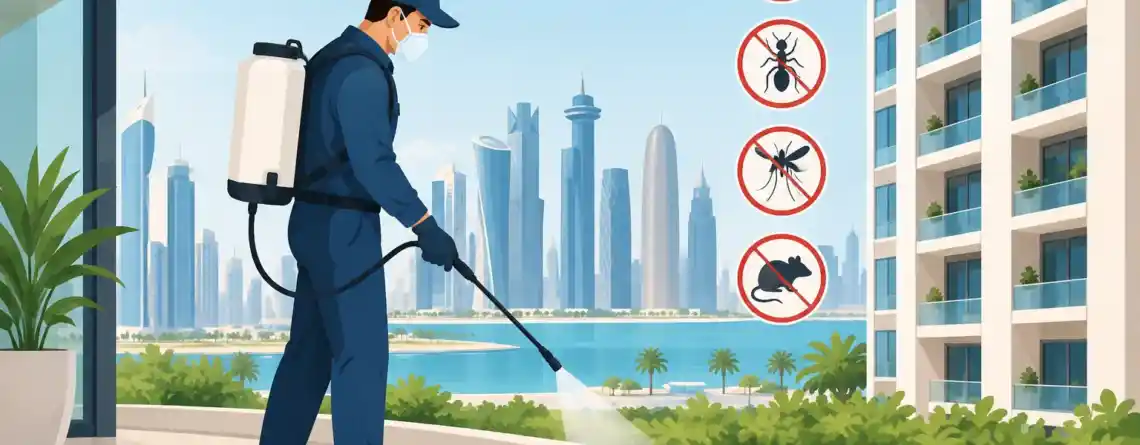
A cockroach sighting in one apartment can quickly become a building-wide concern when pests move through service shafts, refuse rooms, false ceilings, and shared plumbing routes. Pest Control for Residential Tower Management in Qatar requires more than treating the unit where activity was reported. It requires a coordinated plan that considers the whole tower, the affected zones, resident routines, and the conditions allowing pests to return.
For property managers, the objective is practical: protect resident comfort, maintain hygiene standards, reduce complaints, and address activity without causing unnecessary disruption. The right service scope depends on the building’s height, number of units, waste arrangements, occupancy level, pest type, and maintenance condition.
Why residential towers need a coordinated pest plan
A villa or single apartment can often be assessed as one contained environment. A residential tower is different. It has many private spaces connected by common infrastructure, including garbage rooms, loading areas, basements, parking levels, electrical rooms, drainage lines, and vertical risers. A localized treatment may reduce visible activity in one unit while the source remains active elsewhere.
Cockroaches, ants, flies, mosquitoes, rodents, and bed bugs each create different operational concerns. German cockroaches may spread through kitchens and plumbing connections. Rodents often follow waste and service routes. Bed bugs are usually introduced through luggage, furniture, or visitors and require careful unit-specific inspection. Flying insects may be linked to standing water, drainage issues, or poorly managed refuse areas.
This is why a tower should not rely only on reactive callouts. A maintenance-based program combines scheduled inspections, targeted treatment, clear reporting, and corrective action from the building team when sanitation or structural conditions are contributing to pest activity.
Start with a building-specific assessment
Before confirming a treatment schedule, identify where activity is occurring and what the reports have in common. A useful assessment should cover the affected apartments as well as shared areas that could support movement or breeding. The goal is not to apply the same treatment across every floor. It is to establish an accurate scope of work.
The inspection should consider the property’s layout, unit count, occupancy, garbage collection schedule, food-service or retail areas at ground level, basement conditions, landscaping, and nearby construction activity. Towers in busy locations such as Doha, West Bay, Lusail, or The Pearl may face different pressures depending on surrounding restaurants, waste collection points, open plots, and seasonal conditions.
Property managers should also review complaint records. Repeated reports from vertically aligned apartments may indicate activity around a shared riser. Complaints near a refuse room may point to cleaning frequency, bin overflow, or door-seal issues. These patterns help determine whether the work should focus on individual units, selected floors, common areas, or the wider building.
Define the scope before treatment begins
A clear quotation should state the areas included, the pest issue being addressed, the estimated visit frequency, and any preparation required from residents or the management team. It should also clarify exclusions. For example, treatment inside occupied apartments may require resident access, while a common-area program may not include private units unless they are specifically scheduled.
Ask about the products and treatment method proposed for each area, particularly around kitchens, children’s spaces, pet areas, food storage, and sensitive materials. The practical question is not simply whether treatment is available. It is whether the plan fits the conditions of your building and can be carried out safely and consistently.
Build a schedule around pest behavior and tower operations
The best treatment frequency depends on the pest, the building’s history, and the level of activity. A tower with ongoing cockroach pressure may need closer follow-up at the beginning, then a regular preventive cycle once activity is under control. A building with occasional seasonal flying insects may need targeted inspections and treatments during higher-risk periods rather than frequent full-building service.
Scheduling also needs to work around residents, security procedures, housekeeping teams, contractors, and access restrictions. Common areas can often be serviced during quieter periods, while in-unit work requires appointment coordination and resident preparation. For a high-occupancy building, it may be more practical to treat a group of affected units over scheduled blocks rather than attempt access to every apartment in one visit.
Night treatments can be useful in some situations because certain pests are more active after dark and public areas are quieter. However, late appointments are not automatically better. Security access, ventilation requirements, resident notice, and building rules should all be confirmed in advance.
Pest control for residential tower management in Qatar: priority areas
A well-managed tower program gives close attention to the areas where pests hide, feed, travel, or breed. Common spaces deserve the same level of planning as apartments because they can affect multiple floors and residents.
Waste rooms and garbage chutes are frequent pressure points. Bins should be emptied on schedule, liners replaced, floors cleaned, and spills removed promptly. A pest treatment can help reduce activity, but it will not compensate for overflowing waste, damaged bin lids, or food residue left overnight.
Drainage points, plumbing voids, and service shafts should also be checked. Moisture and gaps around pipes can support cockroach movement, especially between kitchens and bathrooms. In basement and parking areas, standing water, storage clutter, and unsealed openings can create favorable conditions for insects and rodents.
Landscaped zones, external doors, loading bays, and utility areas should not be overlooked. External treatment may be appropriate where pests are entering from outside, but it should be based on inspection findings and site conditions. The treatment approach for a landscaped perimeter is different from the approach required inside a resident kitchen or electrical room.
Resident communication is part of the treatment plan
Even a carefully planned service can lose effectiveness if residents do not know what to expect. Management should provide clear notice before treatment, including the date, affected area, access arrangements, preparation instructions, and any aftercare guidance. Residents are more likely to cooperate when communication is specific and straightforward.
For in-unit treatments, preparation may include storing food, clearing access beneath sinks, moving items away from treatment zones, or arranging pet care. Instructions should be appropriate to the treatment method rather than issued as a generic checklist. A bed bug inspection, for example, may require different preparation from a cockroach treatment.
Residents should also know how to report ongoing activity. Ask them to include the pest type if known, the location, the time of day, and whether they have seen droppings, nests, or repeated activity. This information helps the provider and building team identify patterns instead of treating every report as an isolated event.
Treatment works best with maintenance corrections
Pest management is not only a service-provider responsibility. Building operations have a direct effect on results. Leaking pipes, cracked seals, damaged drain covers, open utility penetrations, and poorly maintained garbage areas can all create repeat conditions.
The pest control report should give management practical observations that can be assigned to maintenance, housekeeping, or security teams. These may include sealing a gap around a pipe, repairing a refuse-room door, improving floor cleaning behind bins, removing unused stored materials, or correcting drainage. Not every observation requires major construction work, but small repairs often make a meaningful difference.
There are trade-offs to consider. Sealing entry points may require coordination with mechanical or fire-safety requirements. Intensive treatment in occupied areas may need careful scheduling to avoid inconvenience. A lower-cost, one-time response may appear attractive, but it can lead to repeated complaints if the underlying cause remains untreated. The appropriate approach depends on the building’s risk level and operational priorities.
Keep records that support better decisions
For residential tower management, documentation turns pest control from a series of complaints into a manageable maintenance function. Keep records of inspection dates, treated areas, reported pest types, products or methods used, recommendations, and follow-up actions. This is useful for monitoring results, responding to resident questions, and planning future service intervals.
A simple trend review each month can be valuable. If reports decline after treatment but rise again near a specific waste room or floor, management has a clear reason to inspect that area more closely. If activity appears only in a small number of units, a focused response may be more suitable than broad treatment. Records help avoid both under-treatment and unnecessary work.
Choosing a provider for a residential tower
The provider should be willing to discuss the building before proposing a plan. Look for clear questions about pest activity, affected areas, resident access, previous treatments, property rules, and required timing. The service scope should be understandable, including what will be treated, what preparation is needed, how follow-up will be handled, and what management needs to arrange.
Hegy International can help property managers in Doha and across Qatar define a pest-control scope based on the tower’s layout, reported activity, common areas, and appointment requirements. Before booking, discuss the work required, confirm service availability, and request a quotation that reflects the actual property conditions.
A well-run tower does not wait for complaints to multiply before acting. Clear reporting, sensible housekeeping, timely repairs, and a treatment plan matched to the building can keep pest issues controlled while giving residents confidence that management is paying attention.