
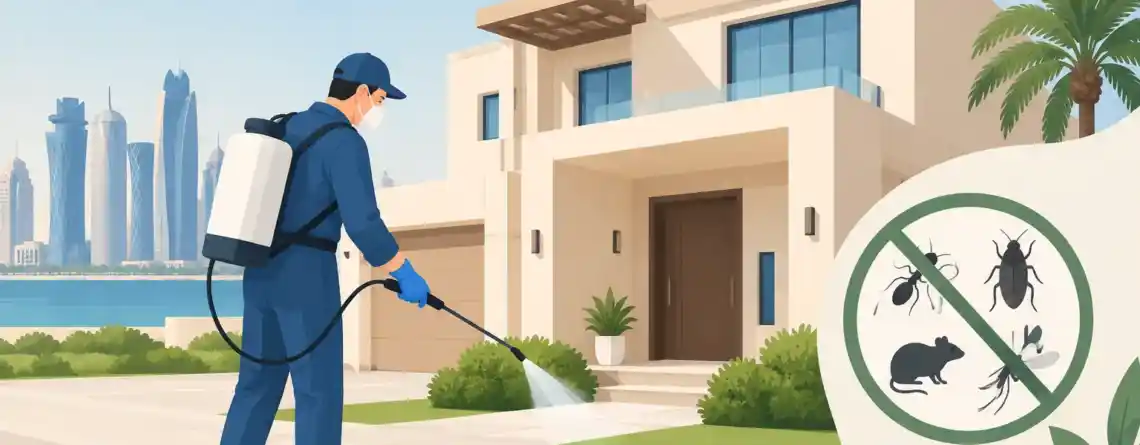
Pest Control Before Moving Into a New Home in Qatar
A vacant apartment or villa can look perfectly clean at handover while still holding the conditions pests need: quiet rooms, untouched drains, dust behind appliances, moisture under sinks, and small gaps around pipes. Pest Control Before Moving Into a New Home in Qatar gives you a practical opportunity to inspect and treat those areas before furniture, food, and daily routines make access more difficult.
For tenants, homeowners, landlords, and property managers, the goal is not to treat every empty property as if it has a major infestation. The right approach is to assess the property, identify signs and risk areas, agree on the treatment scope, and schedule the work at the right point in the move-in process. This helps avoid unnecessary disruption while giving the new space a cleaner, more controlled starting point.
Why treat a property before move-in?
Once boxes are stacked in kitchens, wardrobes are full, and sofas are in place, pest treatment becomes more complicated. Technicians may have limited access to wall edges, cabinet interiors, floor drains, appliance spaces, and storage areas. Residents may also need to move belongings, protect food items, and arrange time away from treated rooms, depending on the pest and product used.
An empty property allows a more complete inspection. It is easier to check under sinks, behind refrigerators, around washing-machine connections, inside lower cabinets, near bathroom drains, and along balcony doors. In villas, external points such as garden edges, service areas, roof access, and utility openings may also require attention.
Pre-move treatment is particularly useful when a property has been vacant for some time, has recently undergone maintenance work, or has had multiple previous occupants. These situations do not automatically mean pests are present, but they can increase the likelihood of hidden activity or access points.
Start with an inspection, not assumptions
A pest-control visit should be based on what is found in the property and what the occupant needs. Requesting a quotation is more accurate when you can explain the property type, number of rooms, whether it is furnished or vacant, and any visible concerns.
Common signs worth reporting include small droppings in cabinets or behind appliances, cockroach sightings, ant trails, insect wings near windows, gnaw marks, unusual odors, damaged food packaging left by a prior tenant, or mosquito activity around drains and outdoor areas. Even if you have seen only one or two insects, mention it. The location and pattern of activity can affect the recommended treatment.
A clear scope also distinguishes between preventive service and treatment for an active issue. A preventive visit may focus on likely entry points and sensitive areas. Active cockroach, bed bug, rodent, or termite concerns need more targeted inspection, treatment methods, and potentially follow-up appointments.
Areas that deserve particular attention
In apartments, kitchens and bathrooms are usually the first priority because water, warmth, and concealed pipe openings can support pest activity. Check cabinet corners, the space beneath the sink, floor drains, extractor areas, and the gaps around water lines. Laundry areas and air-conditioning drainage points may also need inspection.
For villas, include internal rooms as well as exterior conditions. Garden irrigation, standing water, outdoor storage, boundary-wall gaps, garbage areas, and door thresholds can influence pest pressure inside. A pest issue that appears to start in one room may actually be linked to an outdoor access route.
Newly built homes deserve the same careful review. Construction dust, open service penetrations, leftover materials, and incomplete sealing can create temporary pest pathways. “New” does not always mean fully protected from insects or rodents.
Time pest control around cleaning and handover
The sequence of services matters. In most cases, arrange pest control after major repair, painting, or construction work is complete and after unwanted materials have been removed. This prevents dust, debris, or tradespeople from disturbing treated areas immediately afterward.
Deep cleaning should also be planned carefully. If the property needs a substantial move-in clean, discuss the schedule with the service provider before confirming either appointment. Some cleaning tasks are best completed before treatment so that grease, crumbs, and residue do not remain in pest-prone areas. Other cleaning activities may need to wait for the treatment-specific re-entry or drying period.
There is no single timetable for every property. The best order depends on the treatment required, the condition of the home, and whether the space is vacant. Ask in advance what needs to be cleared, whether cupboards should be empty, which surfaces require protection, and when it is appropriate to bring in furniture and personal items.
Prepare the home so treatment can be effective
Preparation instructions should be specific to the pest and method used, but a few practical steps apply to many move-in appointments. Remove any leftover food, packaging, and trash from the property. Empty accessible kitchen and bathroom cabinets if treatment inside them has been agreed. Keep pets, children, and people with sensitivities away from the work area according to the provider’s instructions.
If the home is furnished, identify items that need special care, such as upholstered furniture, mattresses, rugs, electronics, or delicate finishes. These details affect access and treatment choices. Never assume that every surface, fabric, or storage area will be handled in the same way.
Before the appointment, provide the building name or villa location, unit number, parking or access information, and any building-management requirements. In Doha and across Qatar, some towers and compounds require advance approval or restrict contractor hours. Confirming these arrangements before the visit helps prevent delays.
Ask what the quotation includes
Pest-control pricing should reflect the work required rather than a generic promise. When reviewing a quotation, confirm the property size and rooms included, the pest concern being addressed, treatment areas, preparation responsibilities, estimated appointment duration, and whether follow-up service is recommended.
It is also useful to ask about exclusions. For example, exterior areas, false ceilings, inaccessible utility shafts, heavily furnished rooms, or neighboring-unit activity may require separate consideration. In multiunit buildings, pest movement between apartments can affect results. A treatment inside one unit may reduce activity, but wider building maintenance could be needed when the source is elsewhere.
Ask for aftercare instructions as well. These may cover ventilation, cleaning treated zones, returning to the property, monitoring activity, and reporting continued sightings. Seeing pests shortly after some treatments does not always indicate failure, as activity patterns can change before they decline. The correct response depends on the pest type and the treatment plan, so follow the guidance provided rather than applying additional products yourself.
When a follow-up visit may be necessary
Some pest concerns cannot be fully resolved with one visit. Cockroaches may be hiding in inaccessible voids or entering through shared services. Bed bugs typically require a carefully managed plan, including inspection, preparation, and follow-up. Rodent activity may require trapping, exclusion work, and monitoring rather than treatment alone.
A follow-up is also more likely if the property remains vacant for a long period after treatment, if maintenance work reopens gaps, or if food waste and moisture sources return. Preventive measures work best alongside basic property care: keep drains maintained, seal entry points, manage garbage properly, and repair plumbing leaks promptly.
For landlords and property managers, documenting the condition of the property and the agreed service scope can be useful during turnover. It creates clearer expectations between outgoing tenants, incoming occupants, and maintenance teams.
Choose a provider that clarifies the work
A dependable provider should ask questions before scheduling. They should want to know what pest activity has been seen, where it was found, the property type, whether the home is occupied, and what access is available. Clear communication is especially valuable during a move, when cleaning, delivery, key handover, and building access must all fit a limited schedule.
Hegy International can help customers define the areas of concern, arrange a suitable pest-control scope, and coordinate service timing with move-in cleaning requirements. Before confirming an appointment, discuss availability, preparation steps, material-care concerns, and any aftercare requirements relevant to your property.
Moving into a new home is a chance to establish good habits before the first box is unpacked. Treat pest control as part of the handover plan, not as an emergency task after settling in, and give the property the clear, orderly start you expect from a new home.